
Mycosphaerella leaf spot
Mycosphaerella botrychii
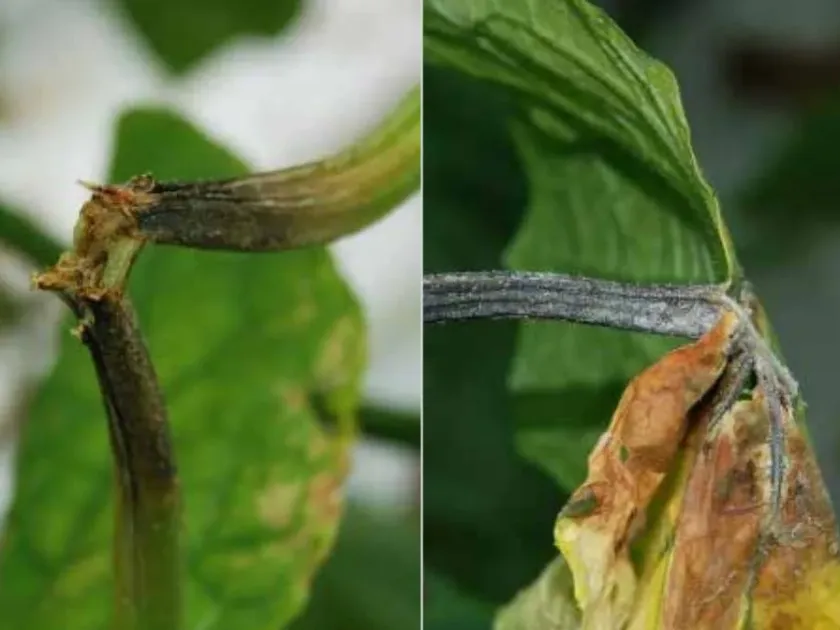
Description
Symptoms
Initial symptoms of Mycosphaerella leaf spot appear as small chlorotic lesions on the leaf surface, which gradually expand into irregular or circular shapes.
As the infection progresses, the centers of the spots become necrotic, typically showing a greyish-brown color bordered by a dark, defined margin.
Tiny black fruiting bodies known as pycnidia can often be observed within the necrotic tissue using a magnifying lens, indicating the active development of the fungus.
In severe cases, the infected leaves begin to wither, curl, and drop prematurely, leading to a significant reduction in the plant's total photosynthetic leaf area.
During periods of high humidity, a fine spore-bearing layer may appear on the undersides of leaves, facilitating the secondary spread of the disease.
Pathogen
The disease is caused by the fungus Mycosphaerella botrychii, a pathogenic ascomycete that specializes in infecting the vegetative tissues of various host plants.
The fungus overwinters in plant debris, fallen leaves, and crop residues, which act as the primary inoculum source for infections in the following season.
Its life cycle includes both a sexual stage, involving the production of ascospores, and an asexual stage, where conidia are formed to ensure rapid disease spread.
The dispersal of the pathogen is primarily driven by splashing raindrops, surface water movement, and wind currents that carry spores to healthy plant parts.
Entry into the plant tissue occurs through natural openings like stomata or through microscopic wounds caused by insects or mechanical damage during farming.
Conditions for development
The disease flourishes in environments with high relative humidity, typically above 80%, and moderate temperatures ranging from 18 to 24 degrees Celsius.
Poorly ventilated, high-density crop stands create microclimates that retain moisture, significantly increasing the probability of fungal spore germination.
Frequent rainfall or heavy dew contributes to the spread of the disease, as leaf wetness duration is a critical factor for successful pathogen colonization.
Improper crop rotation practices contribute to the accumulation of fungal propagules in the soil, raising the infection risk for subsequent susceptible plantings.
Plants under stress from nutrient deficiencies or environmental extremes are generally more susceptible to infection by Mycosphaerella species.
Why it matters
The primary damage caused by Mycosphaerella leaf spot is the loss of effective leaf area, which disrupts the plant's ability to produce energy through photosynthesis.
This disruption leads to reduced biomass accumulation, stunted growth, and a significant decrease in total crop yield and overall quality of the harvest.
Infected plants exhibit reduced vigor, making them more susceptible to secondary pathogenic infections and environmental stresses such as drought or frost.
The economic impact involves increased production costs due to the need for repeated fungicide applications to protect the crop during vulnerable growth stages.
Severe infections can reduce the longevity of the plant, potentially shortening the duration of the productive growing season and affecting marketability.
Protection
Integrated disease management begins with good cultural practices, such as deep plowing to bury crop residues and reduce the initial inoculum.
Maintaining a robust crop rotation plan helps break the life cycle of the fungus by ensuring that susceptible host plants are not grown in the same field sequentially.
Selecting resistant cultivars is a highly effective, long-term strategy to minimize the reliance on chemical control methods for managing fungal leaf spots.
When environmental conditions favor disease spread, the application of appropriate systemic or contact fungicides is necessary to manage the outbreak.
- Using certified disease-free seeds or planting material.
- Ensuring adequate spacing between plants to maximize air circulation.
- Applying balanced fertilizer programs to enhance plant immune responses.
- Strict field sanitation by removing and destroying infected plant debris.
Discussion
No discussions yet — be the first.