
Mycoporaceae
Mycoporaceae
Description
Symptoms
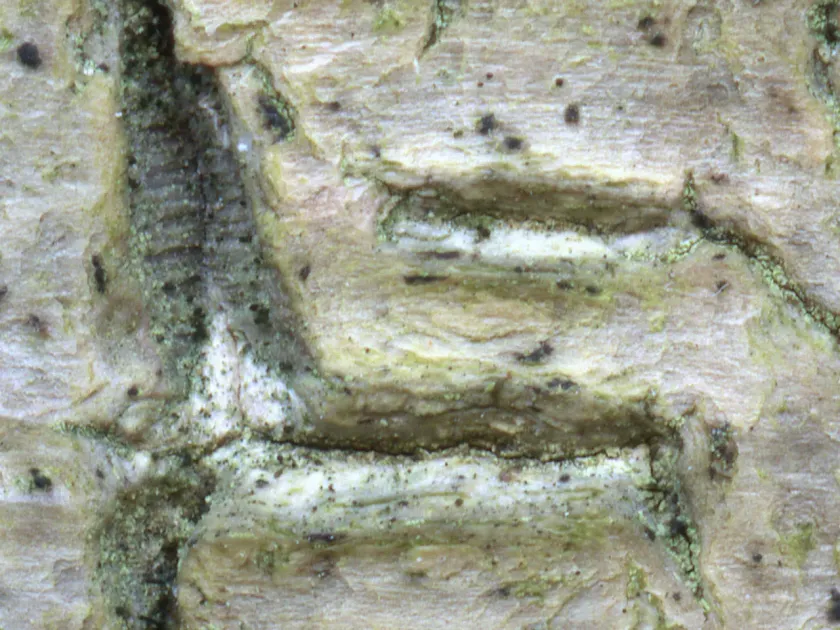
The primary clinical sign of Mycoporaceae infection is the appearance of small, dark, or black dot-like structures on the tree bark, representing the protruding ascostromata.
The affected areas often exhibit a rough or crusty texture, which may gradually lead to micro-cracks or premature peeling of the outer bark layers.
Early-stage infections can be subtle, as the fungal development occurs primarily within the bark matrix, masking the initial stages of the invasion.
During periods of high humidity, the fungal colonies may darken or appear more prominent due to the uptake of water and increased metabolic activity.
Advanced stages of colonization can cause localized necrosis of the bark, visible as darker, dead patches that do not regenerate.
Pathogen
Mycoporaceae is a family of fungi belonging to the order Arthoniales. Many members of this group are characterized as lichenized or lichen-forming fungi that commonly inhabit the bark of trees.
The pathogen is an ascomycete that develops fruiting bodies known as ascostromata, which are typically immersed within the host plant's substrate.
These fungi often function as epiphytes, but under specific environmental conditions, they can transition to a parasitic life cycle, damaging the plant's periderm.
The mycelium grows within the bark tissues, potentially interfering with the gas exchange and transpiration processes of the host tree.
Reproduction occurs via spores, which are disseminated by wind, rain splashes, and insects, allowing the fungus to spread rapidly across tree stands.
Conditions for development
High relative humidity and moderate temperatures are the most critical environmental factors that trigger the development of Mycoporaceae fungi.
Trees with compromised immune systems, often caused by nutrient deficiency or environmental stress, are more susceptible to colonization.
Poorly ventilated garden areas and densely planted orchards that lack proper sunlight penetration provide an ideal microclimate for fungal proliferation.
Mechanical damage to the bark—such as sunscald, frost cracks, or wounds left by pruning—serves as the primary entry point for fungal spores.
Lack of proper hygiene in orchards, specifically leaving dead wood or debris under trees, encourages the buildup of fungal inoculums.
Why it matters
The main danger posed by Mycoporaceae is the impairment of the tree's outer defensive barrier, which weakens the overall health of the plant.
Chronic fungal activity can hinder sap flow and nutrient transport, leading to reduced growth rates and poor vitality of the tree.
Infected trees often show a reduced tolerance to winter freezing and are more prone to secondary attacks by wood-boring insects or other opportunistic pathogens.
The long-term impact includes a significant decrease in fruit production and quality, as well as a reduction in the overall life expectancy of the tree.
If left unmanaged, the continuous spread of the fungus can cause significant physiological stress, eventually leading to the death of affected branches.
Protection
Effective control starts with good arboricultural practices, such as annual pruning to improve air circulation and sunlight exposure in the canopy.
Regular maintenance of the bark, including the careful removal of dead bark tissue and mosses, helps eliminate the substrate required for fungal growth.
Applying traditional limewash or modern fungicidal tree paints to the trunks and main branches serves as a strong prophylactic barrier.
Spraying trees with copper-based fungicides during the dormant season is a standard method to manage and reduce fungal spore density.
Ensuring trees receive balanced nutrition and proper hydration helps strengthen their internal defenses, making them more resilient against fungal colonization.
Discussion
No discussions yet — be the first.