
Mycocentrospora
Mycocentrospora
Description
Symptoms
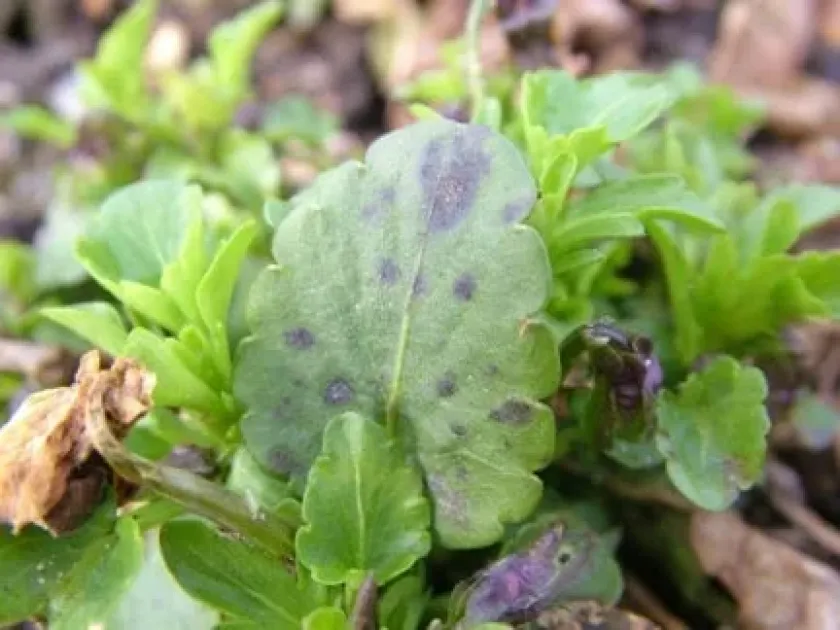
The primary symptoms include necrotic spots of various shapes on leaves, petioles, and roots. Initially, these spots appear watery, subsequently darkening and often showing a greyish fungal growth in humid conditions.
In root crops such as carrots, the disease manifests as a dark, sunken rot, often affecting the upper part of the root. This decay softens the tissue, making the produce unfit for both market and storage.
On leaf stalks, the fungus causes elongated, dark lesions. This structural damage leads to premature wilting and yellowing, significantly reducing the plant's ability to produce photosynthetic energy.
In high-humidity environments, a greyish-white velvety coating appears on the surface of the lesions. This growth consists of fungal conidiophores and conidia, which serve as secondary inoculum for further spreading.
Severely infected plants exhibit stunted growth and loss of vigor. If the infection reaches the crown of the plant, it can lead to total collapse of the canopy and rapid plant death.
Pathogen
The causative agent of the disease is the fungus Mycocentrospora acerina. It is a facultative parasite known for its ability to affect a wide range of host plants, particularly vegetables and ornamentals.
This fungus is highly resilient, capable of surviving in the soil for extended periods due to the formation of chlamydospores and sclerotia-like structures. These dormant stages can endure harsh environmental conditions.
The mycelium develops within the intercellular spaces of the host tissue. It secretes enzymes that degrade cellular walls, leading to tissue necrosis. As the infection progresses, the fungus produces conidia on the surface.
Infection is often transmitted through infested soil, contaminated plant debris, or via water splashes and air currents within greenhouses. The persistence of the pathogen in organic matter makes it difficult to eradicate.
The high genetic plasticity of this pathogen allows it to adapt to various hosts, making it a persistent threat in both field conditions and controlled-environment agricultural systems.
Conditions for development
Mycocentrospora development is favored by cool and damp conditions. The optimal temperature range for the growth of the mycelium is typically between 15°C and 20°C.
High relative humidity, ideally above 90%, is critical for mass conidia production and successful infection. Persistent rain, fog, or dew create an ideal environment for the pathogen to thrive.
Poor ventilation in greenhouses and high-density planting in fields are primary contributors to disease outbreaks. These conditions prevent leaf surfaces from drying, facilitating easier penetration of the fungus.
Stagnant water in the root zone increases susceptibility to infection. Pathogens take advantage of compromised tissue or natural openings during periods of prolonged moisture.
The presence of overwintering inoculum in soil and plant residues acts as the primary source of early-season outbreaks. Without proper sanitation, the pathogen can establish itself permanently in the area.
Why it matters
The economic impact of Mycocentrospora is significant, primarily due to the loss of marketable yield. Infected roots are highly susceptible to secondary bacterial rots during transit and storage.
Yield reduction occurs not only through direct damage but also through the premature loss of foliage, which deprives the plant of the resources needed to reach full size and quality.
The disease represents a high risk in storage facilities. A single infected root can serve as an inoculum source for the entire batch, leading to mass rotting of stored agricultural produce.
Seed production is also threatened, as the pathogen can infect flowering parts and seeds, resulting in poor germination rates and the introduction of the disease to new planting areas.
Control costs, including fungicide applications and sanitation labor, increase production expenses, thereby reducing the overall profitability for farmers and greenhouse operators.
Protection
A rigorous crop rotation strategy is the cornerstone of management. Avoiding the cultivation of susceptible crops on the same site for at least 3-4 years significantly reduces the soil inoculum level.
Sanitation is paramount: removing and destroying infected plant material, especially crop residues, helps lower the risk. Soil solarization or chemical sterilization can be used in greenhouses to eliminate dormant spores.
Managing the microclimate by optimizing ventilation and minimizing moisture on plant leaves prevents the conditions necessary for infection. Proper irrigation techniques are essential to keep the plant base dry.
- Application of protective copper-based fungicides.
- Use of systemic fungicides to stop disease progression.
- Ensuring proper plant spacing to improve air circulation.
- Selection of resistant cultivars, where available.
Upon detection, immediate application of fungicides and the removal of affected plants can prevent the spread of the disease. Regular monitoring and integrated management are required for long-term control.
Discussion
No discussions yet — be the first.