
Mycocalicium subtile
Mycocalicium subtile
Description
Symptoms
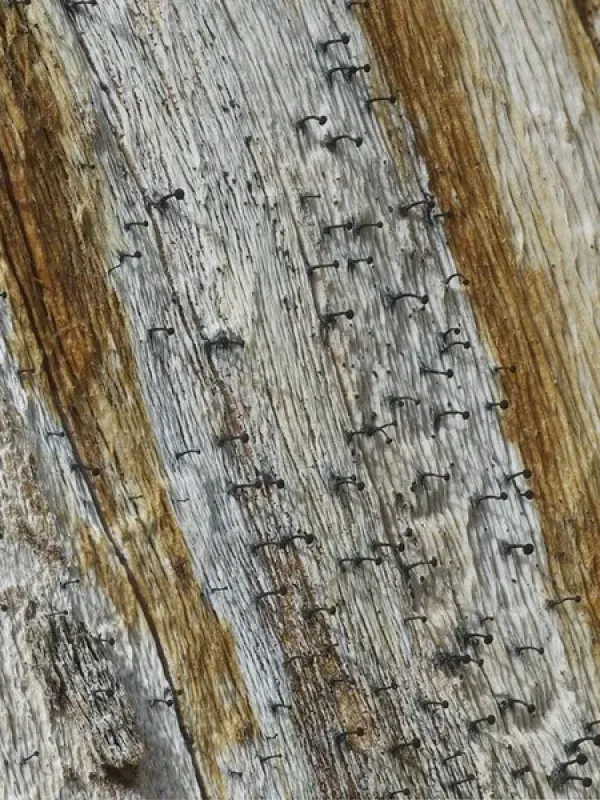
The most distinctive sign of Mycocalicium subtile infection is the appearance of dense clusters of tiny black fruiting bodies on the bark surface.
Infected areas often exhibit a charred or soot-like appearance, which is caused by the accumulation of dark-colored spores shed by the apothecia.
Symptoms are commonly found on the rough bark of trunks, as well as on dead branches where moisture is retained for longer periods.
Visual identification usually requires a magnifying lens, as the individual fruiting structures are generally smaller than one millimeter in diameter.
Affected bark may show signs of premature shedding or surface flaking, exposing the inner woody tissue to further colonization by opportunistic pathogens.
Pathogen
Mycocalicium subtile is an ascomycete fungus typically classified within the order Caliciales. It is often found associated with wood and bark, functioning primarily as a saprotrophic organism that thrives on decaying organic matter.
The fungus produces small, stalked apothecia which are frequently mistaken for lichen structures due to their minute size and appearance on the surface of tree bark.
Biologically, it is adapted to utilize wood that is already in a state of stress or degradation. Its mycelium penetrates the outer layers of the bark and wood tissues to extract nutrients during the decomposition process.
While often regarded as a secondary colonizer, its presence serves as a diagnostic indicator of forest or tree health deterioration.
Research into Mycocalicium subtile highlights its role in nutrient cycling, as it actively contributes to the breakdown of cellulose and lignin in fallen or dying wood.
Conditions for development
High humidity and moisture levels on the bark surface are the primary factors that favor the development and sporulation of the fungus.
The fungus thrives in cool to temperate forest environments, particularly in stands where limited airflow leads to persistent surface moisture.
Tree damage, whether caused by frost, mechanical injury, or insect feeding, provides the necessary substrate for the fungus to establish its colonies.
Dense vegetation that restricts air circulation creates an ideal microclimate for Mycocalicium subtile to spread between individual trees.
Long periods of rainy weather are particularly conducive to the rapid spread of spores throughout the affected area.
Why it matters
The primary harm caused by Mycocalicium subtile is the accelerated degradation of the tree's outer defensive barrier, making it vulnerable to secondary infections.
While it rarely acts as a primary pathogen, its activity weakens the tree's physical structure, increasing susceptibility to wind-throw or further decline.
In commercial wood production, the colonization of timber by this fungus leads to surface staining and potential loss of wood quality.
Persistent presence of the fungus indicates an underlying issue with tree health, which can lead to the long-term loss of tree vigor.
The breakdown of the outer layers of the bark disrupts the physiological integrity of the plant, potentially leading to increased water loss and stress.
Protection
Effective control of Mycocalicium subtile relies on maintaining tree health and reducing the presence of decaying wood in the environment.
Sanitation practices, such as the prompt removal of deadwood and infected branches, are essential to reduce the local spore load.
Improving stand aeration through thinning helps lower ambient humidity, which directly inhibits the growth conditions favored by the fungus.
Protecting tree bark from mechanical damage and managing insect pests are critical strategies to prevent primary infection sites.
- Regular sanitation pruning to remove infected material.
- Application of antifungal sealants to tree wounds.
- Proper disposal of woody debris away from healthy trees.
- Strategic thinning to promote air circulation.
Discussion
No discussions yet — be the first.