
Mycocaliciaceae fungi
Mycocaliciaceae
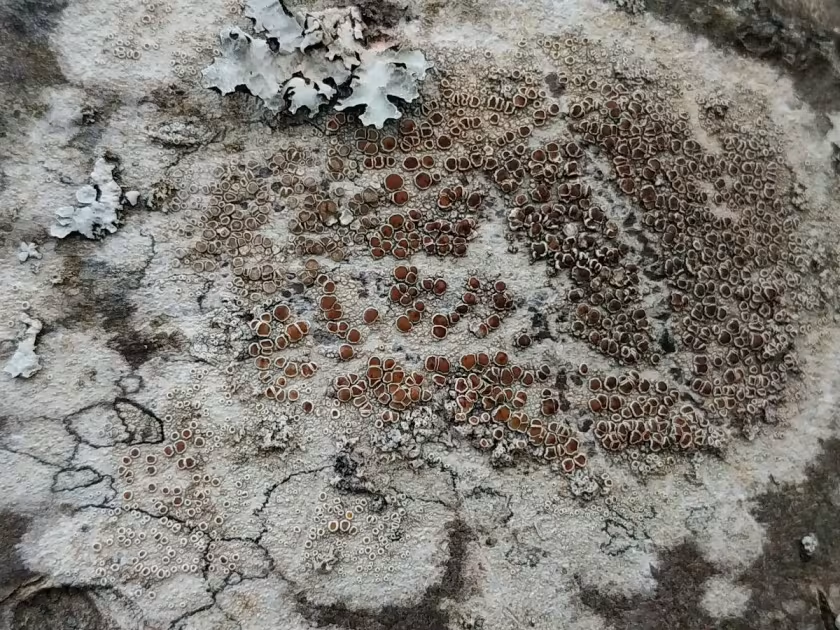
Description
Symptoms
The most distinctive visual sign is the appearance of tiny, black, pin-like fruiting bodies scattered across the bark or exposed wood surfaces.
Affected areas often show signs of superficial discoloration and cracking, reflecting the slow decomposition process occurring within the bark.
Clusters of these fungi are commonly found in old crevices, wounds, or areas where the bark has been damaged by environmental factors like frost.
Microscopic examination usually reveals a dense layer of fungal growth that may look like a fine, dark powder during active sporulation stages.
Presence of these fungi is a strong indicator of localized decay, often highlighting areas of the tree that have already lost their protective vitality.
Pathogen
The Mycocaliciaceae family encompasses a specialized group of ascomycetous fungi that predominantly inhabit the bark and wood of trees.
These organisms are often categorized as myco-philic or lichenized fungi that thrive on substrates weakened by environmental stress or secondary infection.
The biology of these fungi is defined by the development of small, stalked fruiting bodies known as apothecia, which appear like tiny pins or nails on the surface.
They act as opportunistic colonizers, occupying niches in dead or decaying bark tissues where they facilitate the decomposition of woody matter.
The spores of Mycocaliciaceae are primarily wind-dispersed, allowing the fungus to quickly exploit suitable habitats in forest environments or orchards.
Conditions for development
The development of Mycocaliciaceae is heavily dictated by surface moisture levels and the relative humidity of the surrounding atmosphere.
Prolonged wet periods provide the necessary environmental conditions for the fungi to germinate and colonize new, vulnerable wood surfaces.
Trees that are poorly maintained or experiencing canopy stress often provide the microclimate required for the rapid growth of these fungal colonies.
Lack of proper airflow within dense tree stands prevents the bark from drying, thereby facilitating the establishment of fungal spores.
Temperatures that remain within the moderate range allow the fungi to maintain active metabolism and spread across the available substrate.
Why it matters
While often secondary, these fungi accelerate the degradation of bark tissues, reducing the structural integrity and aesthetic value of the tree.
The damage caused by Mycocaliciaceae leaves the tree more susceptible to secondary attacks by stem-boring insects and more aggressive wood pathogens.
In forest management, high incidence of these fungi can be a sign of declining stand health, requiring intervention to manage overall wood quality.
Decorative trees affected by such fungal growth lose their vigor, as the constant pressure of colonizing organisms drains the plant's resources.
Long-term colonization leads to localized bark necrosis, which can eventually contribute to branch dieback and overall tree decline.
Protection
The primary control strategy involves good forest and garden management, focusing on the removal of heavily infected or dead branches.
Proper wound management is essential, as covering deep scars on trunks helps to prevent fungal entry into the internal woody tissues.
Thinning operations can improve light penetration and air circulation, creating an environment that is less favorable for fungal development.
Avoiding mechanical damage during pruning or maintenance activities remains the most effective preventive measure against future infections.
For high-value ornamental trees, localized application of protective fungicides can help safeguard damaged areas until they naturally heal.
Discussion
No discussions yet — be the first.