
Mycocalia denudata
Mycocalia denudata
Description
Pathogen
Mycocalia denudata is a fungus belonging to the Nidulariaceae family, often referred to as bird's nest fungi. While primarily saprotrophic, consuming decaying organic matter, it can colonize weak or stressed plant tissues under specific environmental conditions.
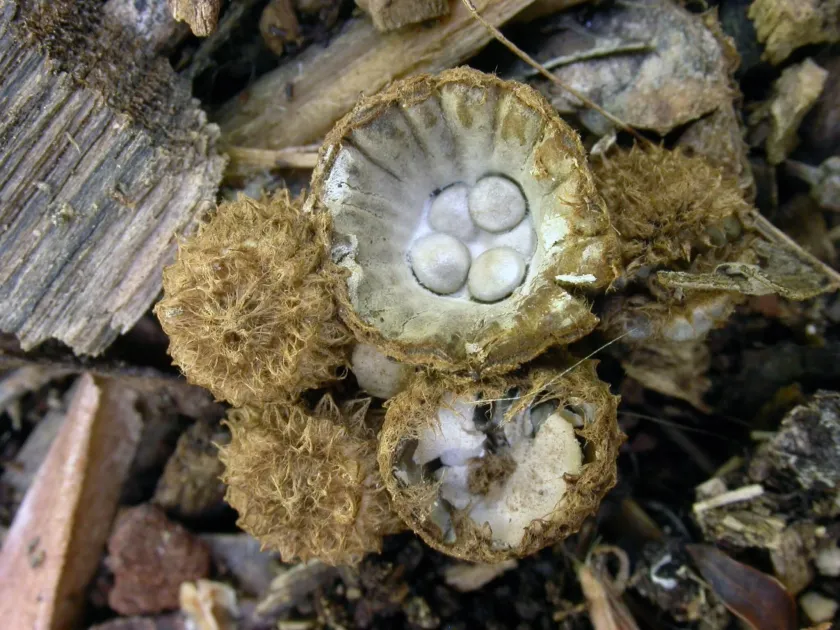
The fungus is characterized by its distinct, cup-shaped fruiting bodies known as peridioles. These structures contain spores, which are effectively dispersed by rain splash, allowing the fungus to spread rapidly across the soil surface and onto adjacent plant parts.
Biologically, the fungus utilizes extracellular enzymes to break down cellulose and lignin. This degradative process is essential for its life cycle but can inadvertently facilitate the colonization of crop residues that are in close contact with healthy or vulnerable plant stems.
The mycelium of Mycocalia denudata is highly resilient and capable of surviving in the soil or within organic mulch. Its ability to remain dormant during dry spells and reactivate during wet periods makes it a persistent presence in agricultural ecosystems.
While not a primary pathogen in all crops, its presence is a diagnostic indicator of poor field sanitation or high organic matter accumulation. Its ecological role as a decomposer can transition to opportunistic infection when the host plant's immunity is compromised.
Conditions for development
High soil and atmospheric humidity are the primary triggers for the development of Mycocalia denudata. Extended periods of rain create an ideal moisture environment for the fruiting bodies to emerge and spores to be released.
Agricultural practices that leave significant crop debris on the soil surface, such as conservation tillage or No-Till systems, provide a continuous food source for the fungus. These fields are more prone to infection outbreaks if not managed correctly.
Temperatures ranging from 15°C to 25°C are optimal for the growth of this fungal species. Within this range, the rate of colonization increases significantly, leading to a higher density of spores being introduced into the immediate environment of the crops.
Lack of proper field ventilation and high plant density are key risk factors. Dense canopies trap moisture, creating a micro-environment that perfectly suits the fungal development requirements, especially during humid seasons.
Light levels have an inhibitory effect on fruiting body formation, explaining why the fungus tends to flourish in the shade of lush vegetation. Consequently, dense weed cover or overgrown crop rows provide the necessary protection for the fungus to develop.
Protection
Effective management begins with proper field sanitation. Incorporating crop residues into the soil through tilling or plowing is a fundamental step in disrupting the life cycle of Mycocalia denudata and reducing its substrate availability.
Implementing a diverse crop rotation is a highly recommended strategy. By alternating crops, farmers can prevent the long-term buildup of fungal spores in the soil, which helps keep the pathogen pressure at manageable levels over time.
Chemical control involving systemic fungicides, particularly those categorized under azoles or copper-based compounds, can be effective if applied early. Timely intervention prevents the formation of fruiting bodies and reduces the overall inoculum density.
Maintaining adequate plant spacing and air circulation within rows is crucial for reducing moisture levels. This prevents the formation of the humid microclimates that the fungus relies on to thrive and spread throughout the crop.
Regular phytosanitary monitoring is essential. If the characteristic "nest" structures are observed, immediate action to remove debris and apply localized treatment is advised to prevent the spread of the fungus to the rest of the crop field.
Discussion
No discussions yet — be the first.