
Mycenastrum
Mycenastrum
Description
Symptoms
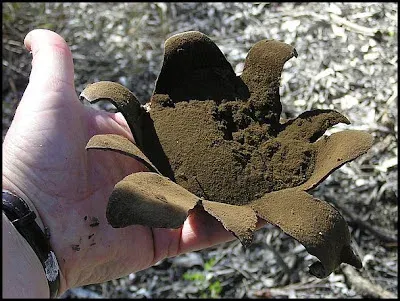
The primary sign of Mycenastrum presence is the emergence of white to yellowish, ball-shaped fruiting bodies on the soil surface. Over time, these bodies mature into a brownish or tan color, becoming hard and brittle.
When the fruiting body matures and breaks, it releases a dark, olive-brown mass of spores. This powdery residue can coat the lower foliage of plants, which may interfere with light absorption and normal respiratory processes of the leaves.
In moist environments, a white, filamentous mycelium can be observed around the base of plants. This indicates that the fungus is actively colonizing the root zone, potentially causing stress to the plant's root system due to the depletion of local oxygen and nutrients.
Plants near affected areas may exhibit symptoms of nutrient deficiency, including yellowing leaves (chlorosis) and stunted growth. These signs occur because the fungus is actively consuming the nitrogen and minerals intended for the crop.
Regular monitoring, especially during periods of high rainfall or irrigation, is essential. Identifying the fungus early prevents the spore mass from maturing and spreading further across the cultivated area.
Pathogen
Mycenastrum is a genus of fungi within the Agaricaceae family, commonly known as puffballs. While they typically act as saprotrophs by decomposing organic matter, their presence in agricultural soil can sometimes indicate an imbalance in the soil microbiome that may affect plant health.
Biologically, this genus is characterized by the production of spherical fruiting bodies with a thick, robust skin. As these fruiting bodies mature, they rupture, releasing a mass of spores that are wind-dispersed and capable of surviving in the soil for extended periods.
Unlike specialized parasitic fungi, Mycenastrum is an opportunistic organism. It thrives in soils rich in undecomposed organic material. In some cases, its extensive mycelial network can compete with beneficial soil microbes that support nutrient uptake in crops.
The most prominent species, Mycenastrum corium, is widely distributed across various climate zones. Its ability to colonize soil surfaces during favorable moisture conditions makes it a common sight in gardens and fields where agricultural hygiene is neglected.
From an agronomic perspective, the appearance of this fungus often serves as a bio-indicator. It signals that the soil environment might be experiencing issues with aeration, moisture management, or excessive accumulation of plant debris.
Conditions for development
The development of Mycenastrum is primarily driven by high moisture levels in the soil and ambient humidity. Warm temperatures combined with frequent watering create the perfect environment for spore germination and mycelial spread.
An abundance of undecomposed organic matter is the main fuel for this fungus. Soils treated with immature compost or left with significant plant residue are highly susceptible to colonization by Mycenastrum.
Soil pH plays a critical role, as acidic environments tend to favor the growth of these fungi. In such soils, the natural competition from beneficial bacteria and fungi is often reduced, giving Mycenastrum a competitive advantage.
Poor soil aeration and compaction create low-oxygen pockets that are ideal for certain saprotrophic fungi. When water becomes trapped in these compacted layers, it facilitates the rapid expansion of the mycelial network.
In greenhouses, spores can be introduced through contaminated potting media or tools. Frequent overhead irrigation without adequate drainage is a major risk factor that promotes the establishment of the fungus in containerized crops.
Why it matters
The main harm caused by Mycenastrum is the competition for essential nutrients. By aggressively colonizing the soil, the fungal network absorbs nitrogen and trace elements, effectively starving the nearby crops of necessary fuel for growth.
Mechanical interference is another issue; a dense mycelial mat can restrict gas exchange in the soil, leading to root hypoxia. This reduction in soil oxygen weakens the root system and makes the plant more vulnerable to secondary infections.
The metabolic byproducts of the fungus may alter the micro-environment around the roots. This can be particularly detrimental to seedlings and young transplants, which are highly sensitive to changes in soil chemistry.
While not a primary pathogen, the fungus can contribute to a general decline in soil productivity. Over time, recurring colonization leads to the depletion of soil fertility, requiring increased inputs to maintain crop yield.
The deposition of spores on foliage can inhibit photosynthesis, leading to lower vigor in affected plants. This cumulative stress often results in poor crop quality and reduced harvest sizes if left unmanaged.
Protection
Effective prevention starts with proper soil management. Ensuring that all organic matter is fully composted before being added to the soil eliminates the primary food source for Mycenastrum.
Adjusting soil pH to a neutral range through liming can make the environment less hospitable to this fungus. A healthier pH balance supports a diverse microbiome that naturally suppresses opportunistic fungi.
Improving soil drainage and physical aeration is essential. Regular cultivation or the addition of organic amendments that improve structure can prevent the waterlogged conditions that encourage fungal spread.
Biological control agents, such as beneficial Trichoderma species, can be applied to the soil. These fungi outcompete Mycenastrum for space and nutrients, preventing it from establishing a significant presence.
If fruiting bodies are discovered, they should be removed and destroyed before they release their spores. This simple sanitation step is highly effective in reducing the inoculum density for subsequent growing seasons.
Discussion
No discussions yet — be the first.