
Mycena vitilis
Mycena vitilis
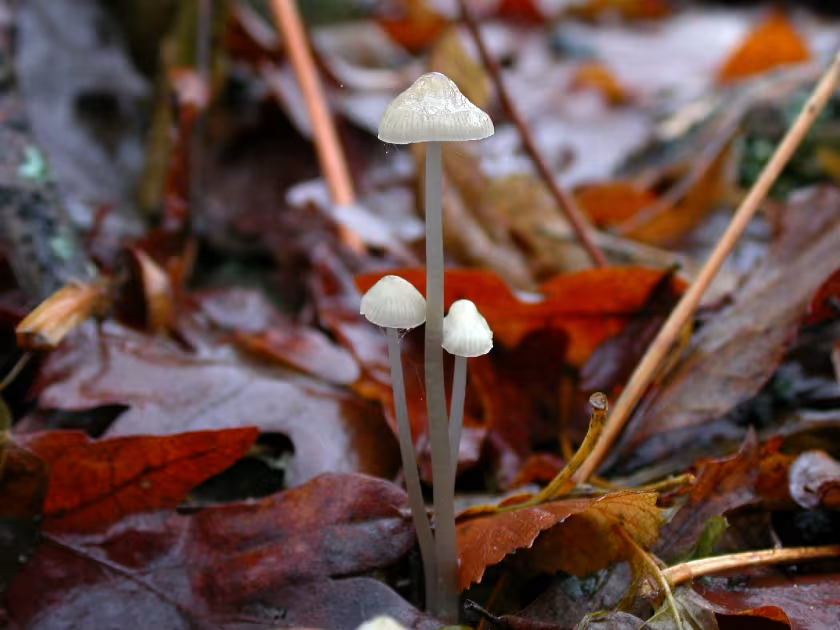
Description
Pathogen
Mycena vitilis is not a plant disease or a pathogen. It is a saprotrophic basidiomycete fungus that belongs to the Mycenaceae family.
Biological activity of this fungus is limited to the decomposition of non-living organic matter. It does not infect or harm living plant tissues in any capacity.
This species functions as a decomposer, specifically targeting lignin and cellulose within decaying plant material like wood or leaf litter.
As it lacks the ability to penetrate living plant vascular systems, it cannot be classified as a pathogen in agricultural or forest pathology.
The ecological role of this fungus is strictly beneficial, contributing to the recycling of nutrients back into the soil, thereby supporting plant health indirectly.
Conditions for development
The development of Mycena vitilis depends heavily on high moisture levels. It thrives in damp environments, particularly in areas with abundant decaying organic material.
It is typically found on wet wood debris, fallen branches, and decaying leaves in shaded and humid forested areas or moist garden plots.
The fruiting season generally occurs from late summer through late autumn, depending on environmental temperature and rainfall patterns.
The mycelium requires consistent moisture to remain active. Conversely, prolonged drought conditions inhibit the formation of the mushroom's fruiting bodies.
Spores are dispersed by wind and settle on organic substrates. When environmental conditions are humid enough, these spores germinate and begin the decomposition process.
Why it matters
This species does not cause any harm to agricultural crops, ornamental plants, or commercial forestry plantations. It is not associated with any plant diseases.
The presence of this fungus is an indicator of healthy moisture and organic matter levels in the environment rather than a sign of a disease outbreak.
Because it strictly feeds on dead tissues, it poses zero competitive threat to the nutrient uptake or growth of surrounding vegetation.
There are no recorded instances of this fungus causing economic loss or reducing the quality of agricultural commodities in any part of the world.
Misidentifying this fungus as a pathogen can lead to unnecessary and potentially harmful chemical applications within an agricultural system.
Protection
No control measures are necessary for Mycena vitilis as it does not pose a threat to plants. Pesticide or fungicide usage is not recommended.
Preventive maintenance involves simple sanitation practices, such as clearing away excessive wood debris or leaf litter if one wishes to discourage its growth.
Improving soil and site drainage is an effective way to lower the local humidity levels, making the area less hospitable for the growth of these fungi.
Regular site maintenance and the removal of rotting organic waste are sufficient to manage the presence of saprotrophic fungi in any horticultural setting.
Preserving the natural balance of soil microbes is more beneficial for plant health than attempting to eliminate harmless saprotrophs like Mycena vitilis.
Discussion
No discussions yet — be the first.