
Mycena viscosa
Mycena viscosa
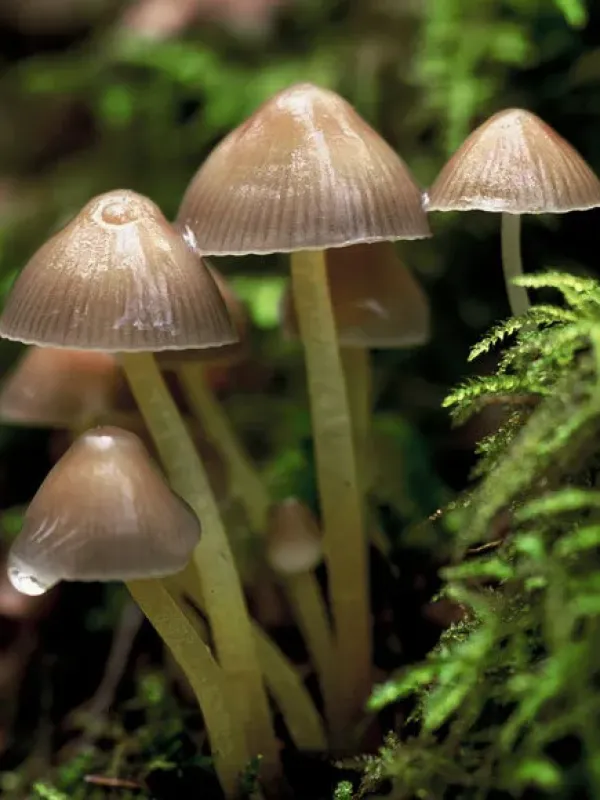
Description
Symptoms
The primary diagnostic sign of this fungus is the formation of fruiting bodies with a characteristically slimy, sticky cap, from which the name of the species is derived.
On affected wood surfaces, one can observe white mycelial threads penetrating the bark or exposed tissues. The wood tissue softens, loses its structural integrity, and often undergoes color changes.
In areas where spores are released, localized wood discoloration is common. A closer examination of bark fissures often reveals dense clusters of fungal hyphae actively spreading.
Fruiting bodies typically grow in clusters near the base of trunks or on decaying coniferous stumps. Their presence indicates advanced internal degradation of the wood.
The sticky layer on the cap serves as a reliable diagnostic trait that differentiates this species from other Mycena members found in similar habitats.
Pathogen
Mycena viscosa, commonly known as the sticky bonnet, is a saprotrophic fungus belonging to the Mycenaceae family. In forest management, it is often considered a facultative parasite that colonizes weakened tree parts.
This organism is a xylotroph, specializing in the degradation of lignin and cellulose within the wood of coniferous trees. The mycelium penetrates the wood structure, gradually causing its decomposition.
The fungal mycelium develops primarily within the wood substrate, while fruiting bodies appear on the surface following periods of high humidity. It is a typical representative of coniferous forest ecosystems.
Unlike aggressive primary pathogens, Mycena viscosa most frequently colonizes decaying wood, stumps, or tissues of trees that have suffered mechanical damage or environmental stress.
The lifecycle of the fungus is closely tied to the moisture levels of its environment, where it survives as mycelium capable of withstanding significant temperature fluctuations.
Conditions for development
The development of the fungus is critically dependent on environmental moisture levels. Optimal conditions for mycelial growth and fruiting body formation occur during periods of frequent rainfall.
Mycena viscosa prefers shaded and damp forest areas where moisture is retained within the leaf litter and tree bark for extended periods.
The optimal temperature range for active vegetative growth of this fungus is between +12 and +20 degrees Celsius.
The presence of wounds on tree trunks, resulting from pest activity, machinery, or wind, significantly accelerates the penetration of the pathogen into the wood.
Dense plantations with restricted natural ventilation create an ideal microclimate for the widespread dispersal of Mycena viscosa spores throughout the forest stand.
Why it matters
The primary damage caused by this fungus involves the acceleration of wood rot, which reduces the commercial value of timber and the structural strength of the tree trunk.
When the root system or root collar is affected, the tree becomes prone to windthrow, posing a significant risk to surrounding healthy vegetation.
The fungus weakens the tree's natural defense mechanisms, making it more susceptible to secondary infestations by wood-boring insects and other pests.
In forest nurseries, the spread of mycelium can lead to the infection of young seedlings, resulting in stunted growth or premature mortality.
Long-term exposure to the fungus results in destructive decay, effectively turning the wood structure into organic debris, rendering it unsuitable for any structural use.
Protection
The primary preventive measure is strict adherence to sanitary forest practices, including the timely removal of deadwood and stumps that serve as infection reservoirs.
It is essential to avoid mechanical damage to tree bark during forestry operations, as such wounds act as entry points for fungal spores.
Maintaining optimal planting density and periodic thinning help normalize humidity levels and light exposure, preventing the buildup of excess moisture.
When infestation sites are identified, it is recommended to remove the affected trees and transport them outside the forest area to prevent further spore dissemination.
For high-value trees, fungicidal treatments of cuts and wounds can create an effective barrier, protecting the exposed tissues from fungal pathogens.
Discussion
No discussions yet — be the first.