
Mycena picta
Mycena picta
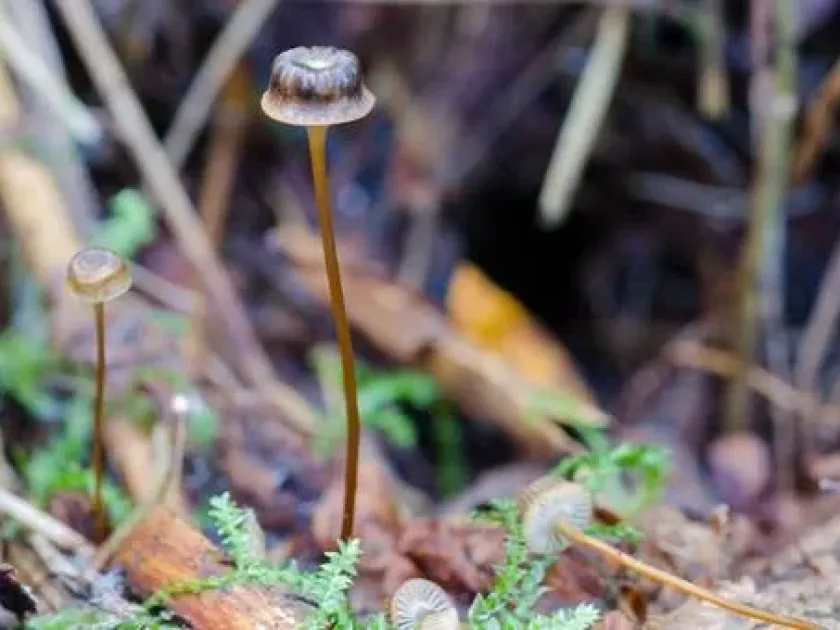
Description
Pathogen
Mycena picta is not a plant disease. It is a species of saprotrophic fungus belonging to the Mycenaceae family, and it does not possess any parasitic properties towards living agricultural crops.
The primary biological role of Mycena picta is the decomposition of dead organic matter, such as twigs, leaves, and other plant debris found on the forest floor or in moist garden environments.
As a decomposer, it plays a vital role in nutrient cycling by breaking down complex organic compounds into inorganic nutrients that plants can readily absorb from the soil.
There are no documented cases of this fungus causing harm to garden plants, trees, or crops, as it lacks the enzymatic machinery necessary to invade healthy plant tissue.
In an agronomic context, the presence of this fungus is considered beneficial or neutral, as it contributes to the overall health of the soil ecosystem through the continuous process of humification.
Conditions for development
The development of Mycena picta depends heavily on high moisture levels and a steady supply of decomposing organic material, such as decaying wood or deep leaf litter.
These fungi thrive in shaded, humid environments that maintain stable microclimates, preventing the desiccation of their delicate mycelial networks and fruiting bodies.
Optimal growth temperatures for the mycelium range from 10 to 20 degrees Celsius, often peaking during seasons with frequent rainfall and mild temperatures.
Environmental stability is key; the species is sensitive to drastic changes in moisture, pollution, or soil disturbances that disrupt its specific niche in the organic layer.
Agricultural practices that emphasize soil conservation and the maintenance of organic matter levels naturally support the survival of such saprotrophic organisms.
Discussion
No discussions yet — be the first.