
Mycena mucor
Mycena mucor
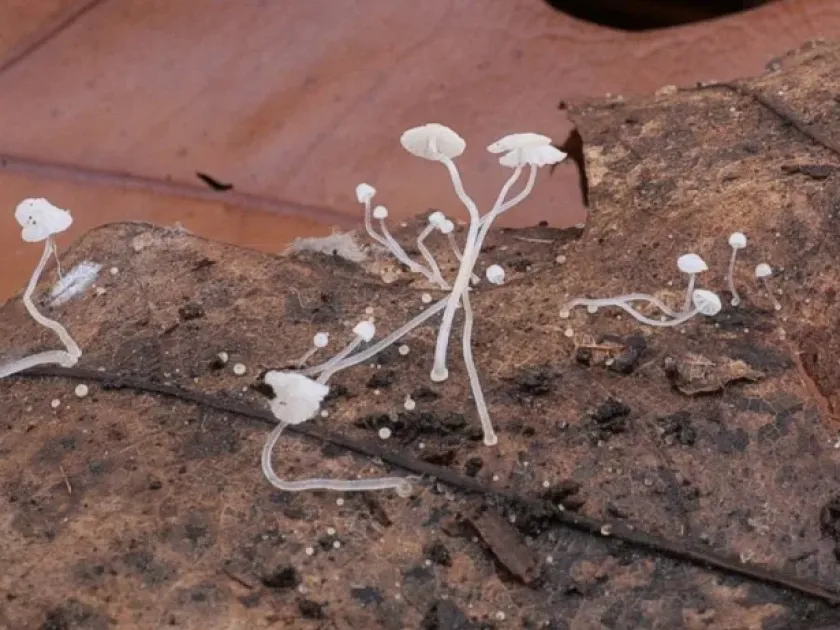
Description
Symptoms
The presence of Mycena mucor is characterized by small, white, delicate fruiting bodies emerging from decaying plant matter.
The caps of the fruiting bodies are extremely fragile and possess a pale, almost translucent appearance during active growth.
Mycelium growth inside the substrate leads to the gradual softening and darkening of leaf litter during the decomposition process.
Evidence of this species is typically found on the underside of leaves that maintain direct contact with damp soil.
No symptoms of parasitic damage or necrosis are observed, as the fungus only targets non-living tissues.
Pathogen
Mycena mucor is a tiny saprotrophic basidiomycete fungus belonging to the Mycenaceae family. It is strictly a decomposer of organic matter.
This fungus does not cause diseases in living plants, making it a harmless species for agricultural and silvicultural practices.
Biologically, it is specialized in breaking down cellulose and lignin found in fallen leaves and small twigs within woodland habitats.
The fungus produces microscopic fruiting bodies that are rarely visible to the casual observer, appearing briefly under specific conditions.
It plays a vital role in nutrient cycling, ensuring that organic components are effectively returned to the forest soil.
Conditions for development
Development is heavily dependent on high relative humidity and constant moisture levels in the forest understory.
It thrives in shaded, cool environments where the temperature remains stable, typically during autumn months with frequent rainfall.
Presence of leaf litter, particularly from deciduous trees, provides the necessary substrate for colonisation and fruiting.
The fungus is highly sensitive to desiccation and requires a humid microclimate to sustain its metabolic activities.
Prolonged dry spells result in the cessation of growth, while favorable moisture levels trigger rapid development of new sporocarps.
Why it matters
Mycena mucor is not considered a harmful pathogen and poses no risk to agricultural crops, trees, or commercial plantations.
It provides an essential service by cleaning the forest floor of dead organic debris, which facilitates the growth of new vegetation.
There is no economic impact associated with this species, and no control methods are necessary or recommended.
The fungus does not release any phytotoxic substances and does not compete with healthy root systems.
Its ecological contribution outweighs any insignificant aesthetic concerns regarding the decay of forest debris.
Discussion
No discussions yet — be the first.