
Moraxellosis
Moraxella
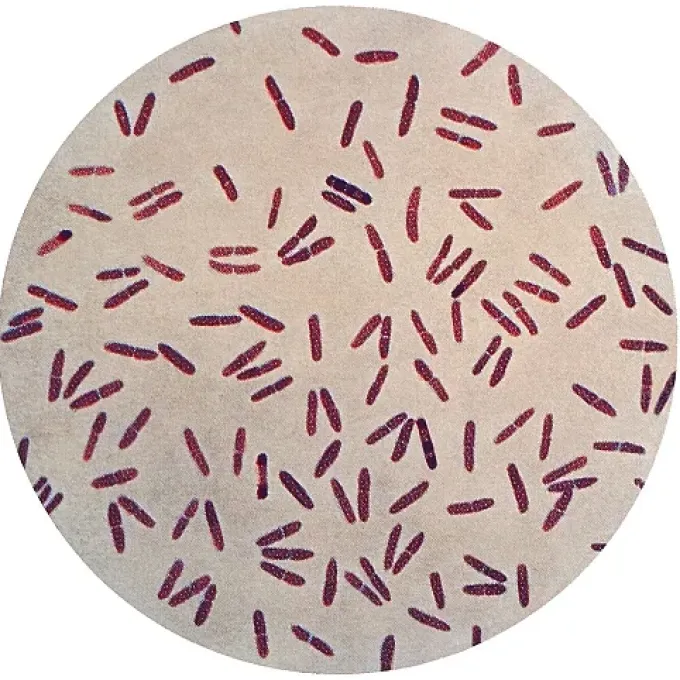
Description
Symptoms
The hallmark of moraxellosis is the development of water-soaked lesions that rapidly expand across plant organs. Affected tissues lose their firmness and become soft and mushy.
Stem tissues often show signs of collapse, resulting in sudden wilting. In cases of advanced infection, an exudate may be visible on the surface of the stems or leaves, often accompanied by a foul odor.
Leaf infection appears as necrotic spots of irregular shape, sometimes surrounded by a chlorotic halo. Under high humidity, a bacterial film or ooze can be observed on the leaf surface.
When tubers or fruits are affected, the internal tissue turns into a watery, pulpy mass. This process can happen very quickly, making the affected produce completely unusable.
- Water-soaked, expanding lesions
- Soft and mushy tissue texture
- Presence of foul-smelling exudate
- Sudden wilting of foliage
- Discoloration and deformation of fruits
Pathogen
Moraxellosis in plants is a bacterial disease caused by members of the Moraxella genus. These bacteria act as opportunistic phytopathogens that primarily affect plant tissues through enzymatic degradation.
The causative agent is a Gram-negative bacterium that thrives in moist environments. It is rarely found as the sole pathogen in agricultural settings, frequently occurring in combination with other soft-rot bacteria.
The biology of the Moraxella pathogen is characterized by its ability to rapidly multiply in necrotic tissues. It secretes pectinolytic enzymes that break down cell wall integrity, leading to the collapse of plant structural components.
These bacteria enter plant tissues through natural openings like stomata or through mechanical wounds caused by tools, weather, or insect pests. Once inside, they colonize the intercellular spaces very quickly.
Laboratory diagnosis is essential for confirming moraxellosis, as symptoms often mimic other bacterial diseases. Identification involves culturing the pathogen on selective media and verifying its biochemical profile.
Conditions for development
High humidity and moisture are the primary drivers for moraxellosis outbreaks. The pathogen proliferates when relative humidity levels consistently remain above 80%.
Warm temperature ranges between 20°C and 28°C create the perfect incubation environment. In such conditions, the time between initial infection and visible symptoms is minimized.
Poor ventilation in greenhouse environments leads to stagnant air and condensation on plant surfaces. These droplets of moisture provide an ideal medium for the bacteria to spread from plant to plant.
Mechanical damage is a significant risk factor. Any injury from harvest, pruning, or insect feeding provides a direct pathway for the bacteria to penetrate and colonize healthy plant tissue.
Inadequate crop rotation allows the bacterial population to build up in the soil over time. Repeating the same susceptible crops in the same area annually increases the probability of an epidemic.
Why it matters
The primary harm caused by moraxellosis is the catastrophic loss of harvested yield due to the rapid destruction of fruit and vegetable tissues. It renders the produce commercially unviable.
Contaminated produce often spreads the infection to healthy items during storage. A small amount of infected material can lead to large-scale spoilage in warehouse conditions.
The disease weakens the host plant, making it highly susceptible to secondary pathogens and pests. This complicates diagnosis and increases the complexity of management practices.
Economic losses are compounded by the costs of sanitation, disposal of infected plant material, and potential loss of market access due to poor quality of the remaining harvest.
In the field, moraxellosis can lead to severe stunting or total plant mortality if infection occurs during the early stages of growth, resulting in significant gaps in stand establishment.
Protection
Strict adherence to crop rotation is the most effective preventive measure. Avoiding host crops for several seasons helps reduce the bacterial load in the soil environment.
Using certified, disease-free seeds and seedlings is paramount. Seed disinfection before planting can significantly decrease the risk of introducing the pathogen into a new site.
Effective pest management is crucial to minimize wounds that serve as entry points for the bacteria. Protecting crops from insect damage prevents unnecessary exposure to bacterial colonization.
Sanitation of agricultural tools and greenhouse structures using appropriate disinfectants is necessary to prevent mechanical transmission. Copper-based sprays may offer some protection during the growing season.
Optimizing greenhouse ventilation and maintaining balanced irrigation schedules are vital for keeping plants healthy and resilient. Promoting dry plant surfaces inhibits the rapid spread of the bacteria.
Discussion
No discussions yet — be the first.