
Monochaetia canker
Monochaetia karstenii
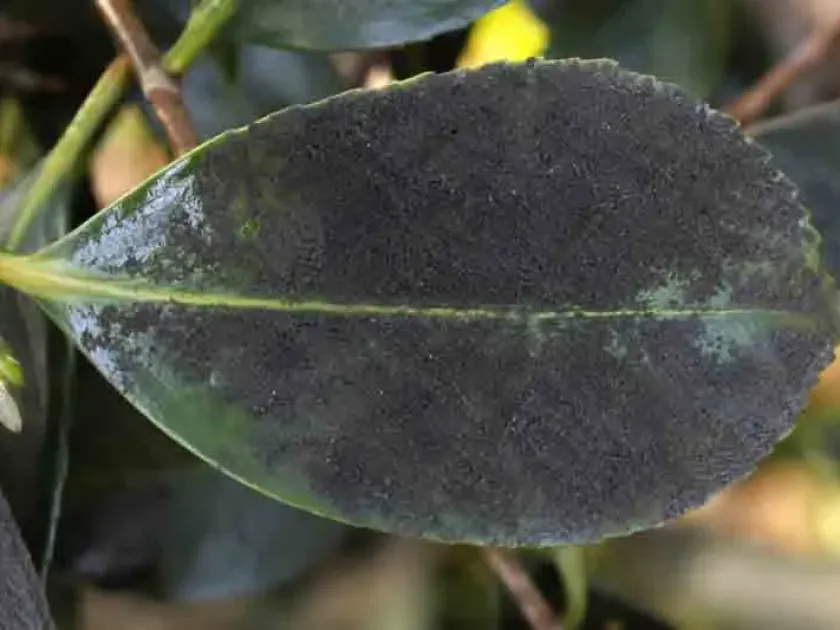
Description
Symptoms
The most recognizable symptom is the localized yellowing and browning of needles on individual branches, which eventually leads to branch dieback.
Small, dark, pimple-like structures, which are the pycnidia, appear on the surface of the bark, particularly in the transition zone between healthy and dead tissue.
Infection often causes localized cracking or swelling of the bark, significantly disrupting the flow of water and nutrients to the distal parts of the branch.
The progression of the disease typically moves from the lower, more humid parts of the tree canopy toward the upper branches as the infection gains momentum.
Affected trees lose their characteristic lush appearance, showing visible signs of distress, thinning foliage, and permanent scarring on the woody parts.
Pathogen
The causative agent of this disease is the fungus Monochaetia karstenii, which primarily acts as a facultative parasite attacking the bark and vascular tissues of coniferous trees.
The fungus develops its fruiting bodies, known as pycnidia, within the infected plant tissues, releasing conidia that act as the primary inoculum for spreading the disease.
Dissemination of the pathogen occurs through water splashes during rainfall, wind, and even human activity when infected pruners move between trees.
The biology of Monochaetia karstenii is optimized for opportunistic infection; it waits for the tree to experience stress or physical injury before colonizing the cambium.
This fungus remains persistent in the host's bark during cold seasons, becoming active as temperatures and humidity rise, ensuring its survival cycle continues year-round.
Conditions for development
High relative humidity and moderate temperatures are the most critical factors driving the rapid development of Monochaetia karstenii.
Poor site conditions, such as inadequate soil drainage or nutrient deficiencies, severely compromise the tree's natural defense mechanisms against fungal colonization.
Planting density is a significant environmental variable; excessive crowding prevents proper airflow and keeps the canopy moist, creating an ideal incubation environment.
External physical damage, whether caused by severe weather (hail, ice) or improper maintenance practices, creates entry points that make the plant highly vulnerable.
Stressed trees, particularly those suffering from water deficit or drought stress, provide less resistance to fungal invasion compared to healthy, vigorous specimens.
Why it matters
The primary damage caused by this pathogen is the structural loss of foliage and branches, which degrades the aesthetic value of ornamental conifers.
Continuous dieback disrupts the tree's ability to photosynthesize effectively, leading to overall stunted growth and long-term decline in plant vitality.
If left unmanaged, the infection can systematically weaken the main leader or trunk, potentially leading to the irreversible collapse of the entire tree.
It acts as a source of persistent inoculum in the landscape, posing a chronic threat to surrounding healthy trees and requiring intensive management.
Economic losses are notable, as the remediation process is labor-intensive and often involves the permanent removal and replacement of mature trees.
Protection
The cornerstone of management is strict sanitation, which involves pruning away all symptomatic branches at least 15-20 cm into healthy tissue.
All removed infected material must be destroyed (burned or deeply buried) to prevent the further spread of fungal spores in the garden environment.
Fungicidal applications, particularly copper-based formulations, are recommended for prophylactic spraying during the early spring and autumn months.
Focusing on plant vigor through balanced fertilization and proper irrigation routines helps reinforce the tree's innate systemic resistance.
- Sterilize all pruning tools with alcohol or bleach after each use.
- Thin out dense canopies to improve light penetration and air circulation.
- Apply biostimulants to aid in the recovery of damaged areas.
Discussion
No discussions yet — be the first.