
Microstromatales
Microstromatales
Description
Symptoms
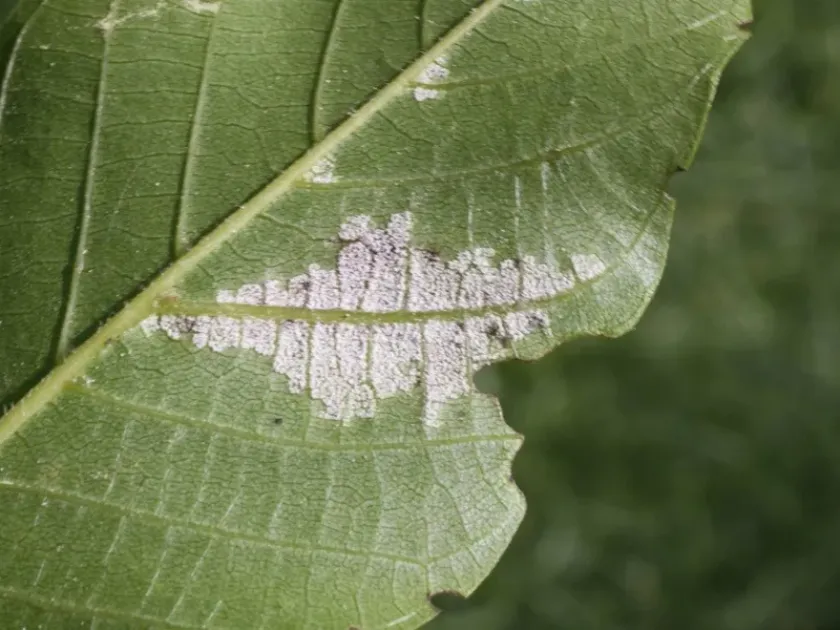
The most common symptoms include localized discoloration, appearing as chlorotic, yellow, or reddish-brown spots on the leaf blades.
As the infection progresses, the characteristic stromata form in these spots, often creating visible, cushion-like growths. These formations can lead to severe deformation of the leaves.
Necrosis is a frequent outcome, where the infected tissue dies and falls out, resulting in a shot-hole appearance. This reduces the plant's photosynthetic capacity significantly.
In some cases, the infection triggers hypertrophy of the plant tissues, leading to the development of galls or abnormal swellings on the leaves and stems.
During peak infection periods, a powdery or velvety layer of spores may become visible on the surface of the lesions, marking the stage where the disease is most contagious.
Pathogen
Microstromatales is an order of fungi within the class Exobasidiomycetes. These fungi are specialized plant parasites that cause significant damage to the tissues of their hosts.
The core characteristic of this group is the formation of internal structures known as stroma. These stromata develop within the plant tissue, allowing the fungus to feed on the host's cells while staying partially protected.
The biology of these organisms is deeply synchronized with the growth cycle of their specific host plants. They typically invade the epidermal and sub-epidermal layers of leaves and shoots.
Reproduction is carried out through basidiospores. These spores are produced on the surface of the infected tissue, forming visible lesions that aid in the dispersal of the pathogen via wind or splashing water.
As obligate or near-obligate parasites, they have evolved highly specific relationships with their hosts, often targeting particular species or families of plants.
Conditions for development
High humidity is the primary catalyst for the development of Microstromatales. Spore germination and tissue invasion are most successful when relative humidity exceeds 80% for prolonged periods.
Temperate climates with frequent spring rainfall are ideal for the onset of the disease. Dew and mist provide the necessary moisture on leaf surfaces for the fungi to establish infections.
Dense planting schemes or lack of pruning create a microclimate with low airflow. This stagnant, humid environment is extremely conducive to the rapid spread of the fungus.
Plant health is a major factor; plants under stress—due to nutrient deficiency, drought, or pest damage—exhibit higher susceptibility to fungal colonization.
Continuous wet weather during the vegetative growth phase is particularly dangerous, as it allows the pathogen to complete its infection cycle multiple times in one season.
Why it matters
The primary harm is the disruption of photosynthesis. By damaging the leaf tissue, the fungus reduces the plant's ability to produce energy, leading to stunted growth and reduced vigor.
Impacts on generative organs, such as flowers or fruits, often lead to poor yields or unmarketable produce, causing substantial economic losses in commercial farming.
The presence of necrotic lesions creates points of entry for secondary pathogens, such as bacteria or other saprophytic fungi, which can exacerbate the degradation of the plant.
Chronic infection in woody perennials leads to long-term decline, characterized by reduced annual growth increments and increased sensitivity to winter cold and frost damage.
Repeated yearly infections can exhaust the energy reserves of perennial plants, eventually leading to the death of branches or entire plants if left unmanaged.
Protection
Integrated pest management (IPM) is essential for control. Sanitation, specifically the removal and destruction of fallen infected leaves, is critical to reducing the primary inoculum source.
Proper pruning practices that open up the canopy are vital. Increased light and air circulation effectively lower the humidity levels around the foliage, making the environment hostile to the fungus.
Chemical control involving fungicides may be necessary during periods of high infection risk. Copper-based compounds or systemic fungicides are typically effective when applied preventively.
- Regular removal of infected plant debris.
- Canopy management for improved aeration.
- Application of protective fungicides during wet springs.
The use of resistant cultivars remains the most effective long-term solution. Combined with balanced fertilization, this strategy enhances the plant’s natural ability to withstand fungal attacks.
Discussion
No discussions yet — be the first.