
Microstroma
Microstroma
Description
Symptoms
Microstroma infections typically manifest as chlorotic or necrotic spots on leaves. These spots gradually expand and may become angular as they are restricted by leaf veins.
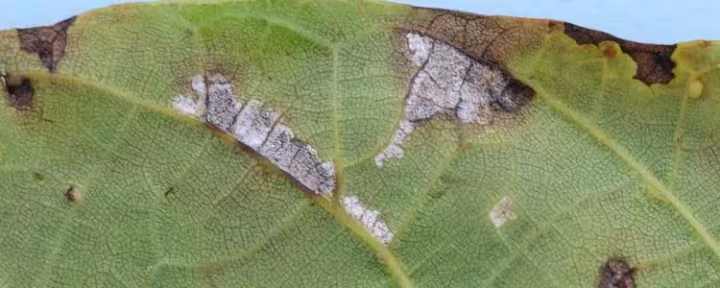
A hallmark sign of this disease is the appearance of white or cream-colored patches on the underside of the leaves. These patches are dense clusters of fungal spores known as conidia.
Infected leaves often undergo premature yellowing and drop from the tree during mid-summer. This early defoliation is a major indicator of a severe fungal attack.
In some cases, the fungus affects young shoots, causing the development of sunken lesions or cankers. This can interfere with nutrient transport and lead to the dieback of terminal branches.
Careful examination of the underside of leaves reveals the velvety appearance of the fungal growth, which distinguishes it from other common bacterial or fungal leaf spots.
Pathogen
The disease is caused by fungi belonging to the genus Microstroma, which are classified as Exobasidiales. Microstroma juglandis is the most recognized species.
The fungus acts as a parasite, establishing itself in the intercellular spaces of the leaf tissue. It eventually ruptures the stomata to produce its fruiting structures on the surface.
The pathogen reproduces through asexual conidia. These spores are easily spread by wind, rain splashes, and insects to neighboring leaves, causing rapid secondary spread.
The fungus overwinters in fallen leaf litter and on infected twigs. When spring conditions arrive, the primary spores are released to initiate a new infection cycle.
Host specificity is a key characteristic of the genus, as different species of Microstroma have evolved to infect particular tree species, such as walnut or oak.
Conditions for development
High humidity and moderate temperatures are the most critical factors for the development of Microstroma. Rainy, overcast periods provide the moisture necessary for spore germination.
Dense tree canopies with poor ventilation are highly susceptible to disease outbreaks. A stagnant microclimate prevents leaves from drying, allowing the fungus to flourish.
Temperatures ranging from 15 to 22 degrees Celsius are optimal for the pathogen. During these periods, the fungus can complete its life cycle in a short time, increasing the infection rate.
The presence of unremoved infected debris from the previous season creates a high inoculum load. This ensures that the disease will recur year after year if not managed.
Nutritionally stressed trees or those suffering from improper site conditions may show higher susceptibility to infection compared to healthy, well-maintained trees.
Why it matters
The primary damage is caused by the significant reduction in photosynthetic leaf area. This limits the tree's ability to produce the energy required for growth and nut production.
Early defoliation prevents the tree from storing adequate carbohydrate reserves. As a result, the trees become less winter-hardy and may suffer from frost injury.
Chronic infections lead to stunted shoot growth and an overall decline in tree vigor. Over several seasons, this can result in the loss of major branches or tree death.
The overall harvest quality is negatively impacted. Nuts may become smaller, less nutritious, or fail to mature properly due to the lack of energy from the compromised canopy.
In commercial orchards, Microstroma outbreaks lead to significant financial losses due to reduced crop quality and the need for repeated fungicide applications.
Protection
Strict sanitation is the most effective prevention strategy. Collecting and burning fallen leaves in the autumn removes the primary source of the fungal inoculum.
Pruning trees to open up the canopy improves air circulation and sunlight penetration. This helps dry out the leaves and creates an unfavorable environment for the fungus.
Copper-based fungicides applied during the early spring before bud break can effectively suppress the initial germination of spores on the tree bark.
Balanced fertilization programs help improve tree resilience. Ensuring the tree has access to necessary nutrients makes it better equipped to withstand fungal stress.
- Regular monitoring of the canopy during wet weather.
- Removing infected branches to reduce local inoculum.
- Using resistant varieties where applicable in orchard design.
- Disinfecting pruning tools to prevent spread between trees.
Discussion
No discussions yet — be the first.