
Microstrobilinia
Microstrobilinia
Description
Symptoms
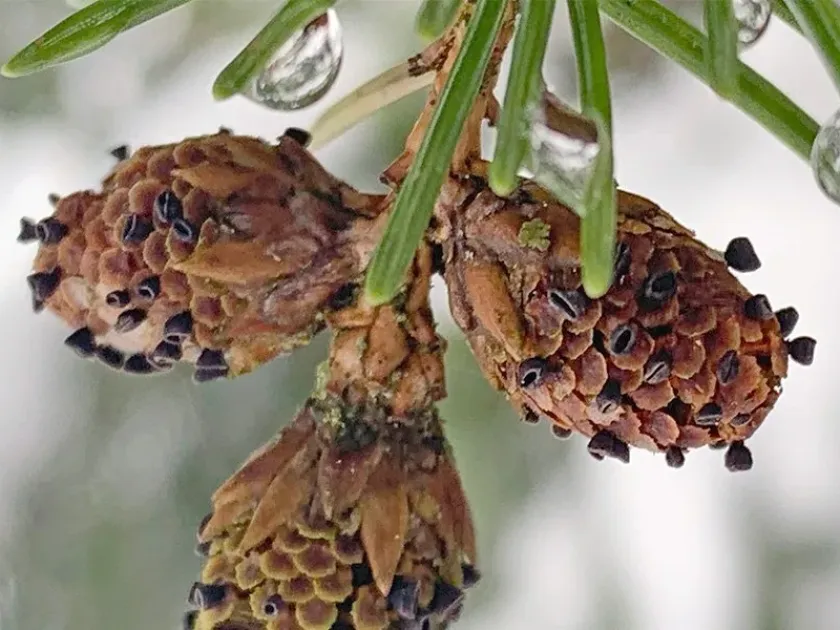
The primary symptom of Microstrobilinia is the premature browning and shriveling of male strobili, which should normally be vibrant in color during shedding.
Affected cones often exhibit a visible fungal mycelium or powdery spore mass that can range from white to greyish as the infection progresses.
Deformation of the male cones is common, leading to brittleness and premature shedding before the pollen grains have had a chance to disperse effectively.
Microscopic analysis of the infected tissues reveals the presence of fungal hyphae that break down the internal structures responsible for pollen synthesis.
Visually, the canopy may appear sparse or show localized discoloration where male cones are heavily infected, impacting the overall tree aesthetic.
Pathogen
Microstrobilinia is a specific fungal disease that affects the reproductive organs of conifers, specifically targeting the male strobili (pollen cones).
The disease is caused by specialized fungal pathogens that invade the tissues of male cones during their development and pollen shedding phases.
The pathogen interferes with the natural maturation process of pollen, causing the structural collapse of the cone tissues and hindering fertilization.
Due to its high degree of host specificity, the fungus is highly adapted to the physiological cycles of certain conifer species, making it a persistent threat.
The lifecycle of the fungus is tightly synchronized with the phenological development of the host, allowing for maximum infection efficiency during the spring period.
Conditions for development
The development and spread of Microstrobilinia are heavily promoted by prolonged periods of cool, wet weather during the early spring season.
Optimal temperatures for spore germination and infection are between 12 and 18 degrees Celsius, coinciding with the active growth phase of the trees.
Dense planting configurations limit air circulation within the tree canopy, creating high humidity pockets that are ideal for the proliferation of the fungal pathogen.
Inadequate sunlight exposure within the canopy also contributes to a favorable environment for the fungus, weakening the tree's defensive response.
The accumulation of infected plant debris on the forest or nursery floor serves as a reservoir for spores, facilitating annual outbreaks of the disease.
Why it matters
The major impact of this disease is the significant reduction in reproductive success, which disrupts natural regeneration in forests and tree plantations.
Sterilization of pollen caused by the infection leads to lower seed yields, which is a critical economic issue for commercial seed-producing conifer orchards.
Trees heavily infected with the disease often exhibit reduced vigor, making them more susceptible to secondary pests and various opportunistic pathogens.
In nursery environments, Microstrobilinia can drastically diminish the market quality of young trees intended for ornamental planting or landscaping.
Chronic annual infections can lead to a gradual decline in the growth rate and overall vitality of the affected conifer populations over several seasons.
Protection
Preventative fungicide applications targeting the early stages of male cone development can effectively suppress the pathogen before symptoms become widespread.
Implementing proper spacing and canopy management practices is essential to improve airflow, reducing the humidity levels that favor fungal development.
Sanitation practices, including the removal and destruction of infected cones and contaminated plant litter, are crucial for lowering the local spore density.
Regular monitoring of conifer health during the early spring allows for early detection of the disease and enables timely intervention with protective measures.
Integrating cultural practices like site maintenance with selective chemical treatments is the most effective approach for managing Microstrobilinia infestations.
Discussion
No discussions yet — be the first.