
Microstoma
Microstoma
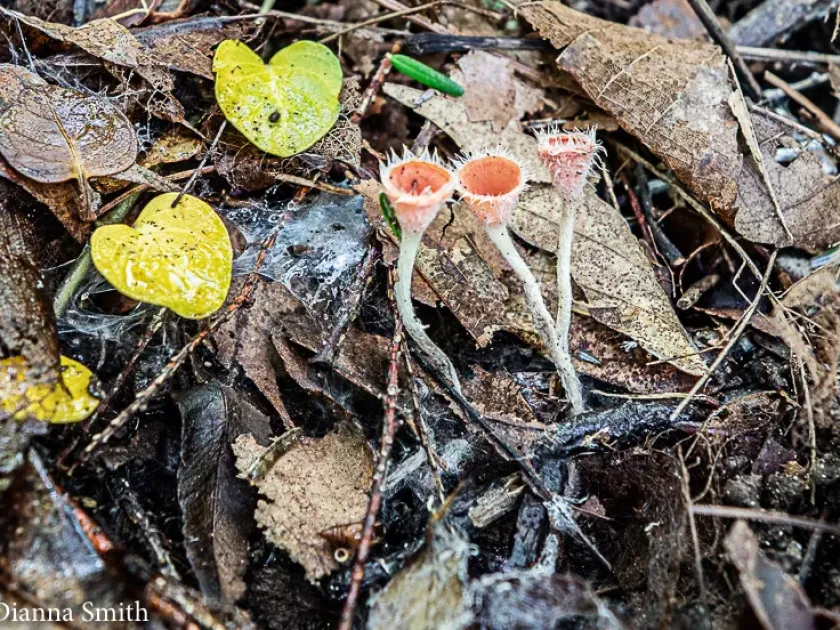
Description
Symptoms
The most visible symptom is the development of small, cup-shaped fruiting bodies, which burst through the epidermis of stems or leaves.
Affected plant tissues often exhibit discoloration, progressing from chlorosis to localized tissue death or necrosis as the fungus consumes nutrients.
Young shoots may show signs of deformation or stunted growth due to the systemic interference caused by the localized infection zones.
Severe infections lead to significant leaf drop, reduced vitality of branches, and in extreme cases, the death of individual stems or entire plants.
- Bright cup-shaped apothecia visible on plant surfaces.
- Localized necrotic spots with distinct margins.
- Wilting and curling of young, succulent shoots.
- Premature yellowing and abscission of leaves.
Pathogen
The disease is caused by fungi belonging to the genus Microstoma, specifically known for forming distinctive apothecia. This pathogen is a facultative parasite that affects various plant species.
The fungus survives the off-season as mycelium or resistant structures in dead plant debris and the upper layers of the soil, waiting for favorable conditions.
Reproduction occurs through spores that are released from the fruiting bodies and dispersed over distances by wind, water splashes, and insects.
Upon landing on a suitable host, the spores germinate and penetrate the tissues, often through natural openings or small wounds on the plant surface.
The biology of Microstoma allows it to thrive in diverse ecological niches, making it a persistent challenge for plant health management in many regions.
Conditions for development
High relative humidity and frequent rainfall are critical environmental triggers for the germination and spread of Microstoma spores.
Cool to moderate temperatures provide an ideal physiological range for the rapid development of the fungus within the plant tissue.
Poor aeration in dense plantings creates a microclimate characterized by stagnant air and moisture retention, which facilitates the infection process.
Mechanical damage to plant bark or foliage caused by insects or severe weather provides easy access points for the pathogen to enter the host.
Stress factors such as nutritional deficiency or drought weaken the plant's natural defense mechanisms, making it more susceptible to pathogen colonization.
Why it matters
The primary harm is the disruption of vital metabolic processes, which prevents the plant from effectively synthesizing energy for growth.
Reduced photosynthetic capacity directly leads to stunted development, lower crop yields, and decreased vigor across the entire plantation.
Continuous infection stresses the plant, leading to a loss of seasonal resilience and increasing its vulnerability to secondary pest and pathogen attacks.
Economic damage is incurred through the costs of disease management, the removal of diseased specimens, and the loss of marketable quality in crops.
Over time, the cumulative effect of the disease can lead to the decline of entire landscape stands or agricultural orchard systems.
Protection
Cultural control is essential, involving the removal and proper disposal of all infected plant materials to reduce the local inoculum pool.
Implementing a rigorous pruning schedule helps improve airflow and light penetration, creating conditions unfavorable for fungal development.
The strategic use of preventative fungicides, particularly those containing copper or systemic agents, is recommended during peak periods of risk.
Optimizing plant nutrition helps reinforce cell walls and boosts the overall immunological status of the host, reducing the risk of successful infection.
Choosing resistant or tolerant species during the planning and planting phase remains the most effective long-term strategy for disease prevention.
Discussion
No discussions yet — be the first.