
Microsporum distortum
Microsporum distortum
Description
Pathogen
Microsporum distortum is a species of dermatophytic fungus within the Microsporum genus. It is crucial to specify that this organism is a zoophilic fungus primarily known for causing skin mycoses in animals rather than being a plant pathogen.
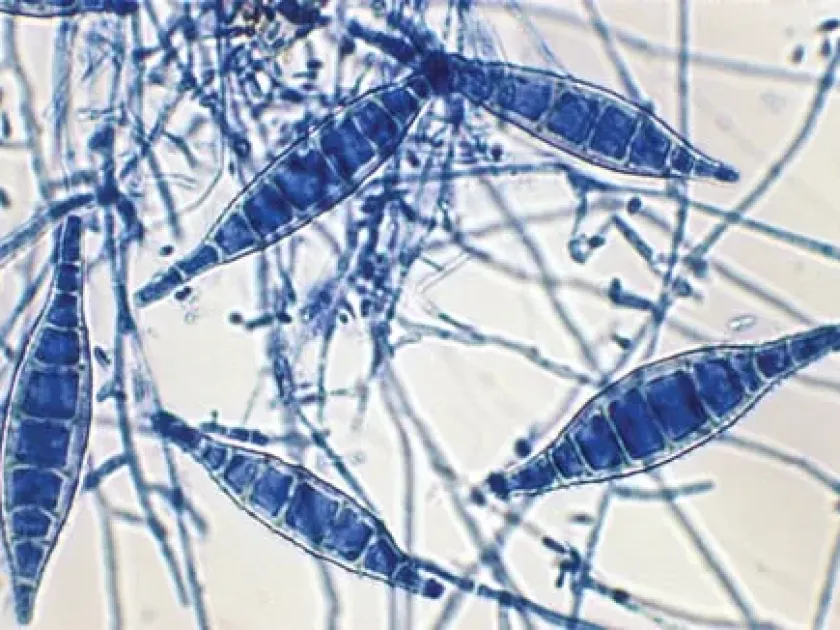
In mycological classification, this species is defined by the unique, often asymmetrical and distorted morphology of its macroconidia, which gives it its specific name distortum.
The fungus is a heterotrophic organism that derives nutrients by breaking down keratin in the skin and hair of its hosts. Its life cycle involves asexual reproduction through the formation of resilient conidia.
While not affecting crops, its impact on the agricultural sector is significant regarding animal husbandry, as it acts as a persistent pathogen capable of causing dermatophytosis (ringworm) in livestock.
Scientific studies indicate that Microsporum distortum shares close biological features with the Microsporum canis complex, often exhibiting similar patterns of host-parasite interaction and infection development.
Conditions for development
The development of Microsporum distortum depends heavily on environmental factors, specifically high humidity and moderate temperatures, which are essential for its proliferation within animal housing facilities.
The fungus displays high environmental resilience, allowing its spores to survive for extended periods in soil, bedding material, or on grooming tools, making it a persistent threat in unsanitary conditions.
Spread occurs primarily through mechanical contact between infected animals and susceptible hosts, or through human intervention by transporting spores via clothing, equipment, and shared facilities.
Crowded environments with poor ventilation significantly increase the risk of an outbreak. In such settings, the concentration of fungal spores in the air and on surfaces reaches levels that facilitate rapid transmission.
Seasonal patterns can influence infection rates; during spring and summer, temperature fluctuations and variations in humidity can accelerate the metabolic activity of the fungus and its spread across livestock farms.
Why it matters
The primary harm caused by Microsporum distortum involves the development of ringworm infections in livestock, which leads to substantial economic losses due to decreased productivity and animal welfare issues.
Infected animals suffer from skin irritation, hair loss, and stress, which directly results in reduced growth rates, lower milk production, and decreased quality of animal-derived products like hides or wool.
The fungus is a known zoonotic pathogen, posing a significant health risk to farm workers and veterinarians who handle the animals, necessitating strictly managed safety protocols.
Outbreaks often lead to quarantine measures imposed by agricultural authorities, restricting the movement of livestock and the sale of animal products, which impacts the farm's financial viability.
Management of this pathogen requires ongoing investment in disinfecting agents, laboratory diagnostics, and specialized veterinary care, adding to the overall cost of livestock production.
Protection
The most effective strategy for managing Microsporum distortum is the strict enforcement of veterinary and sanitary standards. Regular disinfection of barns and equipment is vital to minimize spore accumulation.
A rigorous quarantine protocol for incoming livestock is essential to prevent the introduction of the pathogen into established herds. Isolation of suspected cases is the first step in containment.
Farm personnel should utilize appropriate personal protective equipment (PPE) when interacting with animals, as direct contact with contaminated skin or hair is the most common transmission pathway.
- Isolate infected animals immediately to prevent cross-contamination.
- Apply topical or systemic antifungal treatments as prescribed by a veterinarian.
- Perform systematic sanitation of grooming brushes, bedding, and feeders.
- Consider vaccination programs to bolster herd resistance in high-risk zones.
Prompt diagnosis using microscopy or culture-based testing ensures that outbreaks are caught early, allowing for targeted intervention and maintaining the overall health and productivity of the farm's livestock.
Discussion
No discussions yet — be the first.