
Microsporum audouinii
Microsporum audouinii
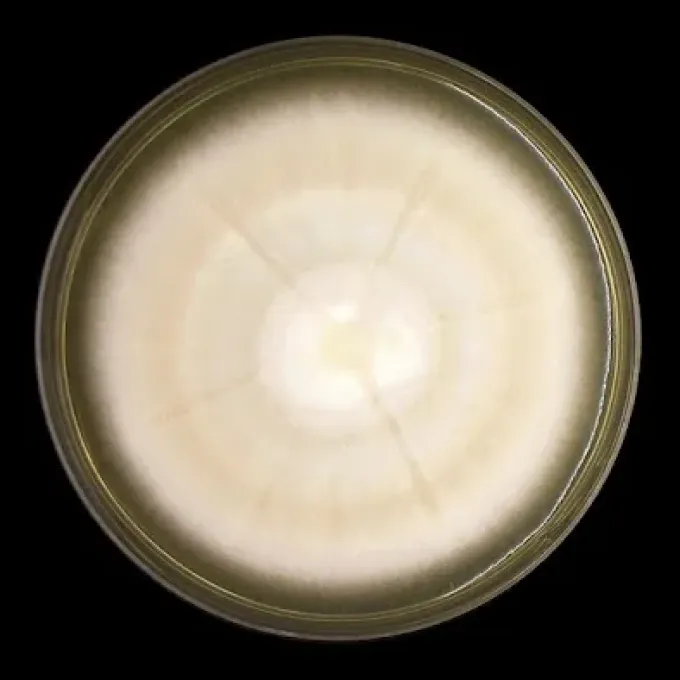
Description
Pathogen
Microsporum audouinii is primarily known as a dermatophytic fungus, yet in agricultural environments, it persists as a saprotrophic microorganism in soil or organic waste.
The fungus is characterized by a septate mycelium capable of complex metabolic activities, allowing it to survive in various substrates beyond its typical animal hosts.
Its biological cycle is resilient, featuring chlamydospores that act as survival units, enabling the pathogen to endure periods of drought and nutrient scarcity in the field.
In a phytopathological context, it can contaminate seeds and plant surfaces, interacting with the rhizosphere and potentially competing with beneficial soil microflora.
The genetic stability and adaptive enzymatic capabilities of the fungus make it a persistent agent that can linger in greenhouses and fields if proper sanitation is neglected.
Conditions for development
Optimal development of Microsporum audouinii occurs under warm conditions, with temperatures ranging from 22°C to 28°C being highly conducive to rapid hyphal extension.
High relative humidity and poor soil drainage significantly increase the likelihood of colonization, providing the necessary moisture for spore germination.
Soils rich in decaying organic matter or affected by animal waste provide a rich nutrient source, allowing the pathogen to establish a stable population in the environment.
Limited air circulation in dense greenhouse plantings creates stagnant microclimates that trap spores and foster the spread of the fungus among healthy plant stock.
Exposure to direct UV light and extreme thermal fluctuations acts as a natural deterrent, limiting the growth and spread of the fungus in open-field conditions.
Why it matters
The harm caused by this pathogen includes potential suppression of seedling vigor if seeds are contaminated, leading to poor emergence rates and stunted growth.
Secondary colonization of root systems can disrupt nutrient uptake, causing physiological stress to the host plant and making it more susceptible to other diseases.
Leaves and stems may develop necrotic lesions if environmental conditions allow for fungal proliferation, resulting in reduced photosynthetic capacity and yield loss.
Contamination of harvested products poses a quality challenge, necessitating strict post-harvest protocols to ensure the safety and marketability of agricultural produce.
The presence of the fungus in the soil complicates crop management, often requiring additional chemical interventions to mitigate the long-term impact on soil health.
Protection
Integrated pest management (IPM) strategies, including strict soil sanitation and the use of certified pathogen-free seeds, are essential for effective control.
Applying systemic fungicides as seed treatments provides a strong barrier against early-stage colonization by various fungal agents, including opportunistic dermatophytes.
Maintaining proper spacing between plants and ensuring efficient ventilation in greenhouses helps to lower humidity levels, creating an environment inhospitable to the fungus.
Biological control agents, such as specific strains of beneficial bacteria or fungi like Bacillus subtilis, can outcompete the pathogen for resources.
- Regular soil testing and analysis.
- Deep tillage to bury fungal spores.
- Proper waste management and composting.
- Application of specialized bio-fungicides.
Discussion
No discussions yet — be the first.