
Metschnikowia pulcherrima
Metschnikowia pulcherrima
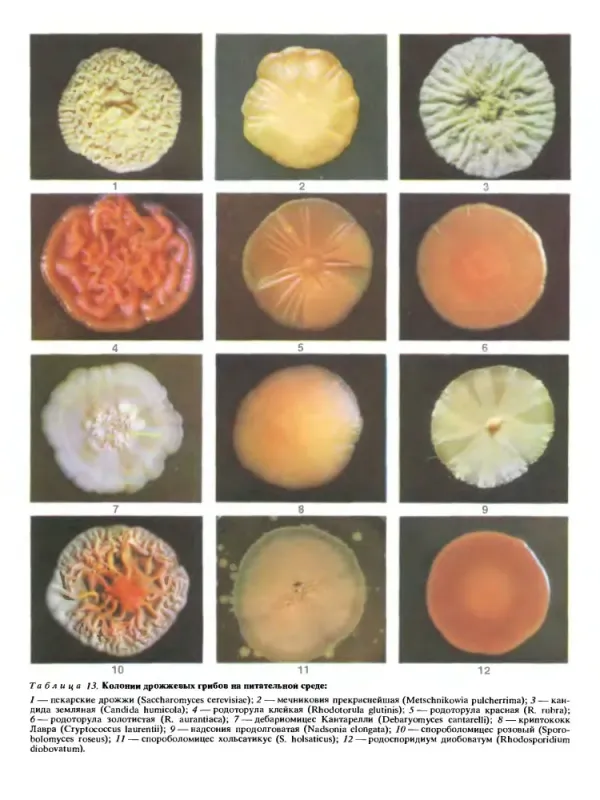
Description
Symptoms
The primary symptom of infection is the development of soft, water-soaked lesions on the fruit surface, which often spread rapidly without forming a visible mold mat initially.
As the infection progresses, the tissue loses its structural integrity and becomes mushy, often accompanied by a noticeable sour or fermented odor typical of yeast activity.
A light-colored, yeast-like film or residue may appear on the surface of the fruit under conditions of high humidity, indicating massive cell division of the pathogen.
The fruit's internal color may change, becoming discolored and dull, as the fungus metabolizes the sugars and cellular components of the fruit.
In the final stages, the fruit completely collapses into a fermented mass, which serves as a highly contagious source of inoculum for other healthy fruits nearby.
Pathogen
Metschnikowia pulcherrima is a species of yeast that is widely recognized in agriculture for its role as a post-harvest pathogen affecting various fruits and berries. It belongs to the Saccharomycetes class and is characterized by its ability to ferment sugars efficiently.
While this organism is often used in the wine industry for its biocontrol properties against other fungi, in orchards it acts as an opportunistic parasite, causing rapid spoilage of mature crops.
The fungus is distinct for producing the red pigment pulcherrimin, which plays a role in its ecological interactions and can sometimes be identified during the early stages of colony growth.
The disease is classified as a yeast rot, which results from the colonization of plant tissues by yeast cells that proliferate through the consumption of simple carbohydrates.
The infection process is typically initiated at sites of physical damage or natural openings in the fruit skin, allowing the yeast to infiltrate and degrade the inner structure.
Conditions for development
The development of the disease is favored by temperatures ranging from 20°C to 28°C and high humidity levels, which are critical for the yeast's metabolic activity.
Insects, such as wasps and fruit flies, are major vectors of the pathogen, physically carrying yeast cells from infected fruit to healthy ones during the ripening season.
Poor orchard sanitation, including the presence of fallen or rotting fruit, increases the local population of the yeast and the overall infection pressure in the plantation.
Weather events like heavy rains near harvest time that cause fruit cracking significantly increase the susceptibility of the crop to invasion by Metschnikowia pulcherrima.
In warehouse environments, poor ventilation and inadequate temperature control allow the yeast to spread from fruit to fruit, resulting in substantial storage losses.
Why it matters
The primary harm caused by this pathogen is the degradation of fruit quality, rendering it unsalable and unsuitable for processing due to fermentation-induced off-flavors.
Economic losses are severe, especially in orchards where the disease can impact a large percentage of the harvest during peak ripening periods.
The disease significantly shortens the shelf life of fruits, making long-distance transport and storage logistics difficult and costly for producers.
By breaking down fruit tissue, the yeast facilitates the entry of secondary pathogens, creating a complex disease situation that is harder to manage.
The presence of such infections often leads to higher operational costs due to the need for rigorous sorting and cleaning of harvest lots.
Protection
Effective control starts with strict pest management, as controlling insects that damage fruit skin is essential for limiting the entry points for the yeast.
Orchard maintenance, such as proper pruning and thinning, improves airflow through the canopy, reducing the moisture that promotes yeast growth.
Timely harvest is critical, as fruits left on the tree for too long are more prone to micro-cracking and subsequent yeast infection.
Post-harvest treatment and storage at low temperatures are mandatory to slow down the metabolic rate of the yeast and preserve fruit quality.
- Integrated pest management to reduce fruit damage.
- Sanitary practices like removing rotting fruit from the orchard.
- Using clean, disinfected containers for harvest transport.
- Maintaining cold chain logistics to inhibit fungal growth.
- Monitoring fruit integrity during the final stages of ripening.
Discussion
No discussions yet — be the first.