
Metarhizium guizhouense
Metarhizium guizhouense
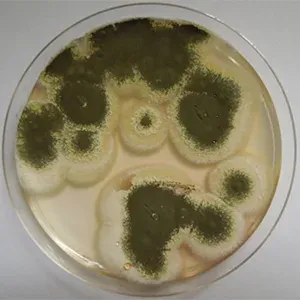
Description
Pathogen
Metarhizium guizhouense is a species of entomopathogenic fungus belonging to the Clavicipitaceae family. It is widely recognized in modern agriculture as a beneficial agent for biological pest management rather than a plant disease.
The fungus acts as a natural parasite of insects, specifically targeting various soil-dwelling arthropods that cause significant damage to crops, such as grubs and wireworms.
The infection process initiates when fungal spores adhere to the insect's cuticle. Upon germination, the fungus secretes specialized enzymes that break down the chitin, allowing hyphae to penetrate the body cavity.
Inside the host, the fungus proliferates, consuming internal tissues and releasing toxins that result in the mortality of the insect, effectively acting as a natural insecticide.
Due to its specialized nature, Metarhizium guizhouense does not infect plants, making it a safe and highly selective tool for integrated pest management strategies.
Conditions for development
The environmental requirements for Metarhizium guizhouense are closely tied to soil quality. High humidity levels, typically between 60% and 80%, are essential for the spores to germinate and infect targets.
Optimal soil temperature ranges from 18°C to 28°C. In this range, the metabolic activity of the fungus is maximized, ensuring high efficacy against target pest populations.
Well-aerated soil with adequate organic matter provides the ideal substrate for the fungus to persist. Such conditions support the survival of the fungus even in the absence of hosts.
Direct exposure to strong UV radiation is detrimental to the spores. Consequently, application methods often involve incorporating the fungus into the soil to protect it from degradation.
Soil pH levels also play a role, with slightly acidic to neutral soils being more conducive to the growth and reproduction of this entomopathogenic fungus compared to highly alkaline soils.
Why it matters
Metarhizium guizhouense is not a plant pathogen; it does not cause disease in crops. Its "harmful" impact is limited entirely to the insect populations it manages.
In agriculture, the fungus is beneficial as it reduces the density of subterranean pests that attack root systems, preventing indirect yield losses caused by root-feeding insects.
By controlling pest populations, the fungus helps maintain the health of the root system, which prevents the entry of secondary opportunistic pathogens that might otherwise invade damaged roots.
The use of this fungus is safe for the environment and non-target organisms, including beneficial insects like pollinators, if applied according to specified guidelines.
There are no known instances of this species causing injury to cultivated flora, distinguishing it fundamentally from true plant pathogenic fungi that cause blights, wilts, or rots.
Protection
Control strategies involve the application of formulated biological products containing Metarhizium guizhouense directly to the soil or as a root dip for transplanting seedlings.
Preventative measures include building a healthy soil ecosystem through organic amendments, which supports the long-term establishment of the fungus within the field.
It is crucial to avoid the simultaneous application of broad-spectrum fungicides, as these chemicals can inhibit the growth of the entomopathogenic fungus and reduce its efficacy.
Integrated Pest Management (IPM) programs often incorporate this fungus to reduce reliance on chemical insecticides, promoting a more sustainable and environmentally friendly agricultural practice.
Regular monitoring of pest populations helps determine the optimal timing for reapplying the fungal treatment, ensuring sustained protection throughout the most vulnerable stages of plant development.
Discussion
No discussions yet — be the first.