
Metarhizium flavoviride
Metarhizium flavoviride
Description
Symptoms
There are no symptoms of infection on the plants themselves; rather, the "signs" appear exclusively on the insect population.
Infested insects initially display reduced activity, lethargy, and a cessation of feeding, which are common signs of the onset of infection.
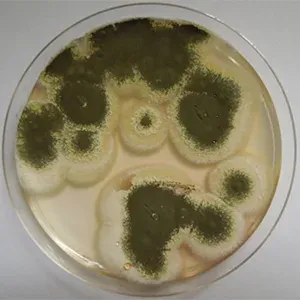
As the infection progresses, a yellow-to-greenish fungal mycelial mat may emerge from the joints or segments of the insect's carcass.
The presence of this colorful sporulation on dead pests in the field is a clear indicator that the fungus is active within the local environment.
Scouting for such signs on pest carcasses can help farmers assess the effectiveness of natural or applied biological control programs.
Pathogen
Metarhizium flavoviride is a well-known entomopathogenic fungus that primarily acts as a biocontrol agent against various insect pests, including locusts and grasshoppers.
Unlike common phytopathogenic fungi, this organism does not infect plant tissues, meaning it is not a "plant disease" in the traditional agronomic sense.
The fungus functions by attaching its spores (conidia) to the exoskeleton of the insect host, followed by germination and penetration of the cuticle using specialized enzymes.
Once inside the insect's hemocoel, the fungus consumes the host from within, eventually leading to the insect's death after several days.
This biological mechanism is highly specific to insects, making it a valuable alternative to broad-spectrum chemical insecticides.
Conditions for development
The efficacy of Metarhizium flavoviride is heavily dependent on environmental conditions, specifically high humidity levels.
Temperatures ranging from 20°C to 30°C are generally considered optimal for the rapid germination and growth of the fungus.
Prolonged exposure to direct sunlight and high UV radiation can significantly reduce the viability of the fungal spores before they contact the host.
Soil moisture and canopy microclimate play essential roles in ensuring the spores remain viable long enough to infect the target pests.
Dense populations of target insects facilitate the horizontal transmission of the pathogen, leading to localized epizootic outbreaks.
Why it matters
There is no harm caused to crops by Metarhizium flavoviride, as it is non-phytopathogenic and lacks the mechanisms to colonize plant tissues.
The agricultural impact is overwhelmingly positive, as it serves as a natural regulator of insect populations that would otherwise destroy crops.
Mistaking this beneficial fungus for a crop disease can lead to unnecessary fungicide applications, which can disrupt the biological balance.
The use of this agent promotes sustainable agriculture by reducing the reliance on toxic synthetic pesticides.
In the rare event of non-target impacts, it is essential to consider the ecosystem, though this fungus is generally safer for beneficial insects than chemical alternatives.
Protection
Control measures involving this agent focus on the strategic application of bio-insecticides during peak pest activity periods.
Applications should ideally be timed for early mornings or late afternoons to avoid the detrimental effects of UV light on fungal spores.
Proper coverage is critical; equipment should be calibrated to reach areas where insects typically congregate or feed.
Integration with cultural practices, such as habitat management or trap cropping, can further enhance the impact of the fungal treatment.
- Store bio-products in a cool, dark place to maintain spore viability.
- Use surfactants or stickers to improve spore adhesion to the insect cuticle.
- Regularly monitor pest population trends to determine optimal treatment timing.
Discussion
No discussions yet — be the first.