
Metarhizium
Metarhizium anisopliae
Description
Pathogen
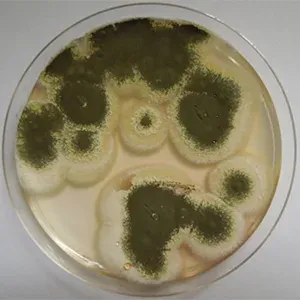
The causative agent of insect infection is the entomopathogenic fungus Metarhizium anisopliae. This microorganism belongs to the class of deuteromycetes and is naturally found in the topsoil, acting as a natural regulator of harmful insect populations.
The fungus life cycle begins when conidia adhere to an insect's cuticle. Upon contact, the spore germinates, utilizing a complex set of enzymes, including chitinases and proteases, to degrade the insect's exoskeleton.
Once inside the body cavity, the fungus proliferates, damaging internal organs. During this process, the pathogen produces specific toxins, such as destruxins, which induce paralysis and cause the death of the host.
After the host dies, the mycelium grows outward, covering the insect in a dense layer of spores. These conidia are easily spread by wind, water, or other insects, facilitating the further transmission of the infection within the population.
It is important to note that Metarhizium affects a wide range of pests, including white grubs, wireworms, mole crickets, and weevils. This makes it a valuable agent in biological plant protection programs.
Conditions for development
For the active development and spread of Metarhizium, soil moisture levels of at least 60-80 percent are critical. The fungus is most effective in well-aerated soils with high organic matter content.
The optimal temperature range for spore germination is between +18 and +28 degrees Celsius. At temperatures below +10 degrees, fungal activity significantly decreases, while extreme heat (above +35 degrees) stops mycelial development.
Soil pH plays a significant role in fungal viability. Slightly acidic and neutral substrates are the most favorable for colonization, while highly alkaline environments can negatively affect spore survival.
The presence of high levels of chemical pesticides in the soil can suppress fungal growth; therefore, it is most effective in organic farming systems or within integrated pest management programs.
Pest density directly influences the speed of epizootic spread. Higher concentrations of insects in the soil allow for faster horizontal transmission of spores from one individual to another.
Why it matters
In an agronomic context, Metarhizium anisopliae is not considered a plant disease but rather a powerful biological insecticide. It serves as a key tool for controlling pests that reside in the soil.
Insects infected by the fungus rapidly lose their ability to feed, which halts the damage caused to plant root systems. This preservation of root integrity is vital for the development of healthy plant biomass.
Failure to control soil-borne pests leads to severe crop yield reductions. Metarhizium helps prevent such losses by acting systemically in the soil profile throughout the growing season.
The use of this fungal agent helps reduce the chemical load on the agrocenosis. It contributes to the restoration of soil microflora and enhances crop resilience against other environmental stressors.
Implementing biological control agents containing Metarhizium allows for the production of safe and organic crops, which is essential for meeting modern market standards for vegetables and berries.
Protection
For effective application, products based on Metarhizium should be incorporated into the soil via irrigation or by incorporating dry substrate during pre-sowing tillage. This ensures direct contact between spores and pest habitats.
Applying the product to moist soil significantly increases its efficiency. Combining the application with watering is recommended if weather conditions are dry.
One should avoid simultaneous application with strong fungicides, which might inhibit the entomopathogenic fungus. A minimum interval of 14 days is recommended between chemical fungicide use and Metarhizium application.
Proactive application of Metarhizium in the fall or early spring allows for the creation of an infectious background in the agrocenosis, which will suppress pest populations over the entire season.
- Selection of high-virulence strains.
- Proper storage of biological products (away from direct sunlight).
- Monitoring pest populations to determine optimal application timing.
Discussion
No discussions yet — be the first.