
Metarhizium
Metarhizium
Description
Symptoms
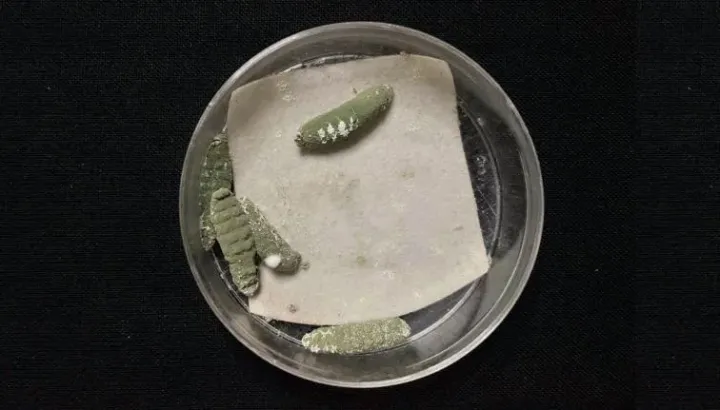
The most distinctive visual symptom of a Metarhizium infection is the appearance of a dense, olive-green to emerald-colored mycelium layer on the surface of the insect's exoskeleton, which is actually the fungal sporulation stage.
Before sporulation, an infested insect typically exhibits decreased mobility and loss of appetite. As the fungus consumes the host's tissues, the insect becomes sluggish and eventually dies, often turning stiff and brittle due to the internal growth of the fungus.
In the field, such symptoms are rarely visible to the naked eye because infections occur beneath the soil surface. However, soil sampling and laboratory analysis often reveal the presence of these fungal colonies in soil where insect populations have been decimated.
It is crucial to distinguish these signs from actual fungal plant pathogens that cause spots or rots on leaves and stems. Metarhizium does not damage plant tissue; any plant illness should be investigated as a separate pathogenic activity.
Early identification of pest population crashes in areas treated with Metarhizium is a strong indicator of successful biological control. Growers often monitor for the lack of pest damage in roots as the ultimate proof of the fungus’s efficacy.
Pathogen
Metarhizium is a genus of entomopathogenic fungi, which are recognized globally not as plant diseases, but as vital tools for biological pest management. These fungi are highly specialized parasites that target insects rather than host plants.
The primary species, Metarhizium anisopliae, belongs to the Ascomycota division. It has evolved to thrive in soil environments, where it acts as a silent hunter, effectively reducing populations of harmful insects through natural infection processes.
Infection begins when conidia (fungal spores) come into contact with the cuticle of a susceptible insect. The fungus produces enzymes that dissolve the insect's chitin, allowing the hyphae to penetrate the body and colonize the internal organs effectively.
Once inside, the fungus consumes the host's nutrients, causing the insect to cease feeding and eventually die. This biological interaction is the core mechanism used in manufacturing effective bioinsecticides for modern, sustainable agricultural systems.
Unlike chemical pesticides, Metarhizium offers long-term control. Once established in the soil, the fungus can survive and persist, providing ongoing protection for crops against recurrent infestations of various soil-dwelling larvae.
Conditions for development
The success of Metarhizium as a biological tool depends heavily on environmental conditions. Soil moisture is critical, with optimal efficacy achieved when moisture levels range between 60% and 80%, facilitating rapid spore germination.
Temperature significantly influences the growth rate of the fungus. Development is most aggressive within the range of 18°C to 28°C. Extreme temperatures outside this range may lead to decreased activity and slower infection rates in the field.
The fungus thrives in organic-rich soils where microbial activity is high. Such environments protect the spores from desiccation and provide the necessary conditions for the fungus to maintain its activity over long periods of time.
UV radiation is highly detrimental to Metarhizium spores. Therefore, field application is recommended during low-light hours, such as early morning or late evening, or by incorporating the product directly into the soil to ensure protection from sunlight.
Soil pH plays a role in the long-term survival of the fungus. While Metarhizium is quite resilient, highly acidic or alkaline soils may hinder its effectiveness, making soil monitoring a valuable step in integrated pest management programs.
Why it matters
Metarhizium is fundamentally harmless to plants. There is no evidence of the fungus acting as a plant pathogen; instead, it provides significant agricultural value by suppressing populations of root-feeding pests that otherwise devastate crop yields.
The "harm" caused by this fungus is restricted entirely to insect pests, including larvae of the May beetle, wireworms, and mole crickets. These insects are notorious for destroying root systems, which Metarhizium successfully prevents.
While the fungus is generally safe, non-target effects on beneficial insects such as bees or predatory beetles must be considered. Proper placement in the soil helps minimize exposure to pollinators and ensures targeted control of the intended soil-dwelling pests.
Potential loss of effectiveness occurs primarily through improper storage. If the fungus is exposed to excessive heat or chemicals during storage, the spores may die, rendering the treatment ineffective and resulting in wasted financial investment for the farmer.
Human and livestock safety is a primary benefit of using Metarhizium. Because it is non-toxic to mammals and leaves no harmful residues on crops, it is a highly preferred choice for food-grade, organic, and conventional farming alike.
Protection
Implementing Metarhizium as a control measure requires precise application. It is best applied directly into the soil during tillage or during the planting of seedlings to ensure the fungus is in immediate contact with the root zone where pests reside.
- Pre-moistening soil for optimal fungal activity.
- Integration with other beneficial microbes to enhance soil health.
- Timing applications during the peak activity of larvae.
- Avoiding synthetic fungicides that may be toxic to beneficial fungi.
- Maintaining soil organic matter to support long-term colonization.
Preventative strategies focus on establishing a stable population of Metarhizium in the field. Continuous monitoring and periodic reapplication allow for a sustained protective barrier that keeps soil pest populations below the economic injury level.
It is important to manage expectations regarding the speed of control. Unlike contact chemical insecticides that provide immediate knockdown, biological control takes time to spread through the insect population; therefore, it should be planned well in advance.
Combining Metarhizium with other biocontrol agents, such as Beauveria bassiana, provides a robust defense against multiple pest species. This integrative approach is the foundation of a modern, eco-friendly agricultural pest management strategy.
Discussion
No discussions yet — be the first.