
Metacordyceps chlamydosporia
Metacordyceps chlamydosporia
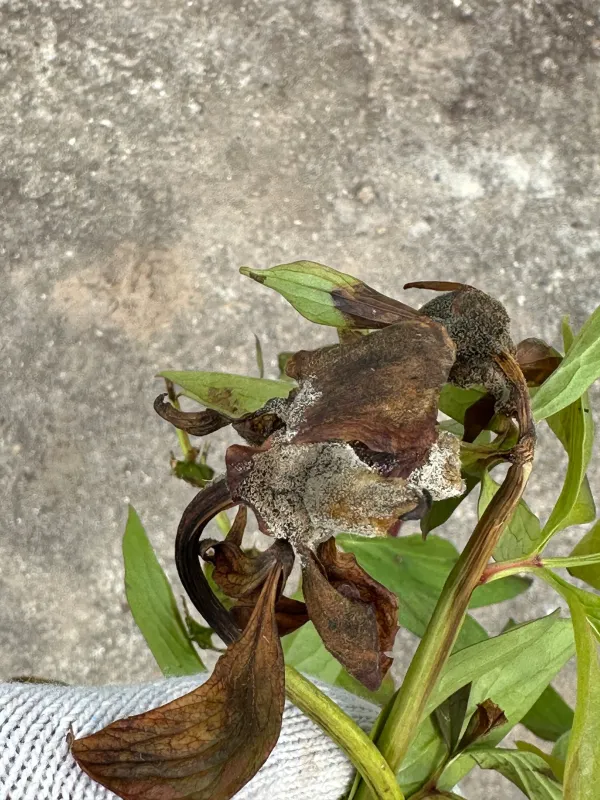
Description
Pathogen
The causal agent is the entomopathogenic and mycoparasitic fungus Metacordyceps chlamydosporia (formerly known as Pochonia chlamydosporia). It is a specialized organism known for its complex life cycle and ability to parasitize various soil-borne fungi and nematodes.
The disease is classified as a mycoparasitosis, where the fungus targets other harmful soil microorganisms. While often studied as a biocontrol agent, it can behave as a pathogen in specific agricultural environments if its population density becomes unbalanced.
The fungus reproduces primarily through chlamydospores, which are thick-walled resting spores. These structures allow the pathogen to survive for years in adverse conditions, including drought and extreme soil temperatures.
Morphologically, the fungus forms white to light-colored colonies. It secretes various lytic enzymes that decompose the cell walls of its hosts, which is a critical feature of its survival strategy in the soil ecosystem.
Genetic diversity within the species allows it to adapt to different soil types, requiring farmers to monitor its presence to prevent potential over-colonization in the rhizosphere of commercial crops.
Conditions for development
The development of Metacordyceps chlamydosporia is highly dependent on soil moisture levels. Optimal growth is achieved when soil water content exceeds 60% of field capacity.
Temperature plays a decisive role in metabolic activity. The fungus thrives at temperatures between +20°C and +28°C. Growth significantly slows down when soil temperatures fall below +10°C.
The presence of organic matter and host fungi in the soil acts as a catalyst for population growth. High concentrations of nutrient substrates facilitate rapid colonization by the fungal hyphae.
Soil pH levels influence the ecological balance. The fungus shows a preference for neutral to slightly alkaline soils, although it is hardy enough to persist across various acidic conditions.
Aeration affects the spread of the mycelium. Well-structured, porous soils allow for more efficient expansion of the fungus through the rhizosphere compared to compacted soils.
Why it matters
The primary concern is the disruption of the soil microbiome, which may negatively affect nutrient mineralization and the overall health of the rhizosphere for crops.
In some agricultural systems, it may compete with beneficial mycorrhizal fungi, which are essential for nutrient uptake and water absorption in many important plant species.
Excessive proliferation in the root zone can impose metabolic stress on seedlings, potentially leading to delayed emergence or stunted growth in sensitive plant varieties.
The fungus can modify the microbial environment, occasionally making crops more susceptible to secondary pathogenic infections if the natural balance of beneficial bacteria is disturbed.
Economic damage is typically associated with decreased yield due to weakened plant defenses and the indirect impact on soil fertility management strategies.
Protection
Effective crop rotation is the primary management strategy, as it interrupts the proliferation cycle of the fungus and disrupts the environment necessary for its survival.
Chemical fungicide application in the soil should be targeted and cautious to avoid damaging the beneficial microflora that naturally regulates the fungal population.
Improving soil organic matter content through the use of high-quality compost encourages the growth of antagonistic bacteria, which naturally suppress excessive fungal activity.
- Routine soil testing to monitor fungal spore population densities.
- Proper water management to prevent prolonged soil saturation.
- Using cover crops to promote a healthy and diverse soil microbiome.
Integrated pest management (IPM) practices should involve lab testing to determine the density of Metacordyceps populations before making decisions on soil treatments.
Discussion
No discussions yet — be the first.