
Sooty mold
Metacapnodiaceae
Description
Symptoms
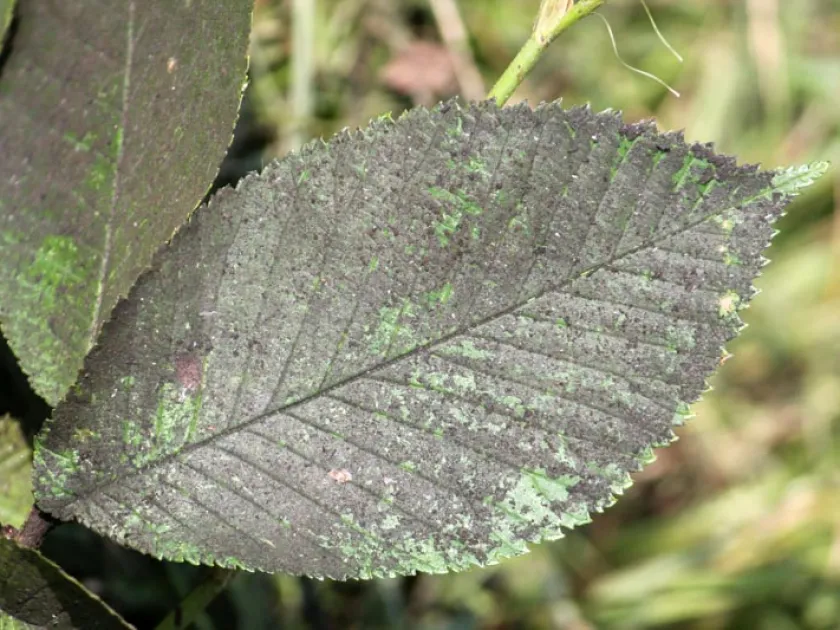
The most prominent sign of sooty mold is a black, powdery coating on the surface of leaves, stems, and sometimes fruit. It resembles soot or ash and can be wiped off with a damp cloth.
The mold is strictly superficial and does not invade the plant's internal tissues. However, the thick layer blocks sunlight, which is necessary for the plant's photosynthetic activity.
Infected leaves may turn yellow and eventually drop prematurely due to the restricted access to light and gas exchange. The plant's overall vitality and growth rate often decrease significantly.
Fruit covered in sooty mold becomes aesthetically unappealing, which reduces its market value and shelf life. In some cases, the mold can lead to secondary infections if the skin is damaged.
The presence of this mold is a clear indicator that the plant is infested with sucking insects that excrete a sugary substance known as honeydew.
Pathogen
Sooty mold is caused by various fungi, including those in the Metacapnodiaceae family. These are saprophytic fungi that do not feed directly on the plant but on its external environment.
The primary source of nutrition for the fungus is honeydew—a sweet, sticky secretion produced by pests such as aphids, scale insects, whiteflies, and mealybugs.
Because the fungus relies entirely on the honeydew, the disease serves as a diagnostic sign that a pest infestation is present and needs to be addressed immediately.
The fungus reproduces via spores that are easily distributed by wind and rain. Once they land on a surface covered in honeydew, they germinate and form a dark mycelial web.
Understanding the biology of these fungi is crucial: you cannot control the mold without managing the insect populations that provide the substrate for its growth.
Conditions for development
High humidity and warm temperatures create ideal conditions for the rapid colonization of sooty mold. Moisture is essential for spore germination and mycelial expansion.
Plants located in areas with poor air circulation, such as dense hedges or crowded gardens, are more prone to infections because leaves stay wet for longer periods.
Insects like aphids thrive in similar environmental conditions. Their population explosion directly correlates with the severity of the mold outbreak on host plants.
Shaded environments reduce the plant's ability to dry off after rain or dew, providing the perfect microclimate for the fungi to spread across the entire canopy.
Improper irrigation techniques that increase humidity in the plant's immediate environment can also indirectly foster the development of sooty mold.
Why it matters
The primary damage caused by sooty mold is the obstruction of photosynthesis. By blocking light from the leaf surface, the fungus starves the plant of necessary energy.
The coating also clogs the leaf stomata, which interferes with gas exchange and transpiration. This can lead to increased stress and a decline in the plant's natural immune response.
Affected fruit production is often lower in both quantity and quality. The sticky residue combined with fungal growth makes the produce unsuitable for fresh consumption.
Premature defoliation caused by severe infections can weaken the plant, making it more susceptible to environmental stressors, including frost and drought during the winter months.
The aesthetic damage to ornamental plants can be severe, requiring significant time and labor to restore the plant's appearance to a healthy state.
Protection
The most important control measure is the elimination of the sucking insects responsible for the honeydew. Once the source of food for the fungus is removed, the mold will eventually dry and flake off.
Pruning is an effective way to improve air circulation and light penetration, making the environment less hospitable for fungal growth and insect pests.
After controlling the insect population, the remaining mold can be washed off with water or treated with mild insecticidal soaps to help clean the foliage.
- Monitor plants regularly for signs of aphid or scale infestation
- Use systemic insecticides to control sap-sucking pests
- Improve canopy ventilation through strategic pruning
- Wash the leaves with a gentle stream of water to remove honeydew
Maintaining plant health through proper fertilization and watering helps the plant recover quickly and resist future pest and disease attacks.
Discussion
No discussions yet — be the first.