
Meruliaceae fungi
Meruliaceae
Description
Symptoms
One of the earliest indicators of Meruliaceae infection is the discoloration or cracking of the bark, often accompanied by soft, localized depressions. Over time, the bark may become fragile and begin to peel away, exposing the decaying wood underneath.
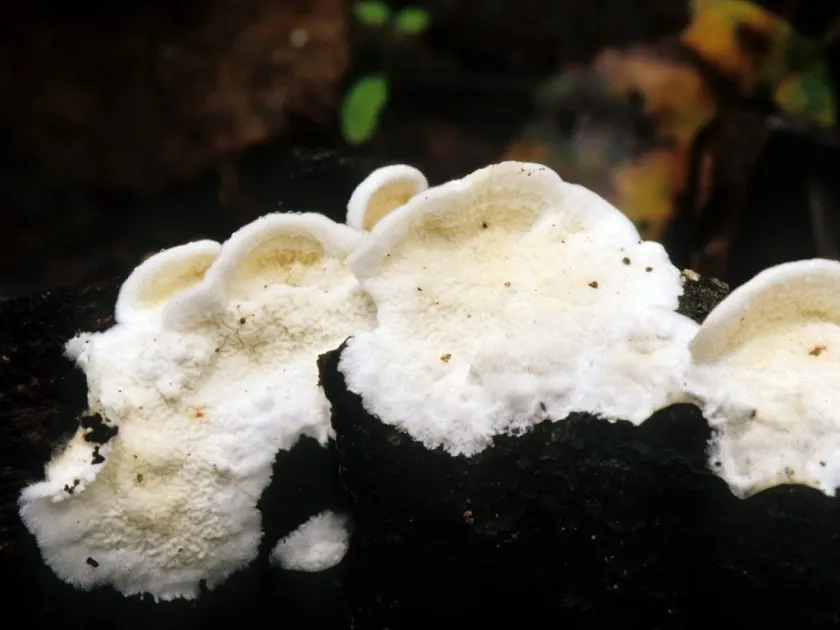
The appearance of fungal fruiting bodies is a definitive sign of an advanced infestation. These bodies, which often appear as wrinkled or pored leathery patches, are typically found at the base of the trunk or along the main skeletal branches.
Internally, the wood becomes brittle and structurally compromised. A telltale sign is the hollow, dull sound produced when tapping the tree trunk, indicating that the internal wood fiber has been substantially replaced by fungal mycelium.
Foliage symptoms include premature yellowing, reduced leaf size, and seasonal dieback. As the vascular system becomes obstructed by the fungal growth, the tree struggles to transport water and nutrients, resulting in a sparse canopy and stunted annual growth.
In cases of severe infestation, open cankers or ulcers may form where the cambium has been destroyed. These sites often become entry points for secondary pests, further weakening the tree's immune response and accelerating the decline.
Pathogen
The family Meruliaceae belongs to the order Polyporales and comprises a diverse group of fungi, many of which act as wood-decaying agents. While primarily saprotrophic, certain species can behave as pathogens, attacking living trees and woody tissues.
The infection typically begins when fungal spores infiltrate the tree through wounds, pruning cuts, or bark fissures. Once inside, the mycelium secretes enzymes that decompose cellulose and lignin, leading to severe white or brown rot within the wood structure.
Reproductive structures of these fungi are morphologically varied, ranging from resupinate crusts to leather-like brackets on the surface of infected wood. These fruiting bodies are the primary source of spore production, allowing the fungus to spread across woody landscapes.
Spore dissemination is often facilitated by environmental factors such as wind and water droplets. Once spores land on a compromised area of a host plant, they germinate and initiate a colonization process that spreads through the vascular system and internal tissues.
The life cycle involves an extensive internal colonization phase. The fungus may remain hidden within the tree core for years, slowly decomposing the internal structure while the tree exterior appears relatively healthy, making early detection a significant challenge.
Conditions for development
Meruliaceae fungi thrive in high-humidity environments, such as during periods of persistent fog or excessive rainfall. Moist surfaces on tree bark provide the necessary hydration for spores to germinate and establish successfully.
Poor orchard or forest management, including high planting density and inadequate air circulation, fosters an environment conducive to fungal development. The presence of decaying stumps or woody debris acts as a constant reservoir for the pathogen.
Optimal growth temperatures for these fungi generally range between 15°C and 25°C. Stress factors in trees, such as drought, nutrient deficiency, or frost damage, significantly reduce the tree's ability to resist the fungal invasion.
Physical trauma, whether from severe winds, pruning accidents, or animal damage, creates exposed wounds that are susceptible to infection. In these damp wounds, the fungus finds a protected micro-environment to begin its colonization.
Additionally, shaded and poorly managed garden areas with minimal sunlight allow moisture to linger on tree surfaces for longer periods, providing the consistent hydration needed for the fungus to expand its mycelial network across the bark.
Why it matters
The primary harm caused by these fungi is the irreversible degradation of the tree's structural integrity. This poses a major safety risk, as structurally compromised trees are prone to catastrophic failure, such as falling limbs or complete collapse during windstorms.
The disruption of xylem and phloem transport effectively starves the tree, leading to decline, loss of fruit productivity, and eventual death. The loss of valuable woody plants is a significant issue for both commercial fruit growers and landscaping professionals.
Economic damage is compounded by the high cost of removing hazardous trees. Large-scale infestations in forests or plantations can lead to extensive losses in timber quality, making the wood unfit for construction or industrial applications.
For ornamental trees, the presence of Meruliaceae ruins the aesthetic value, resulting in stunted, unhealthy-looking specimens. Replacing such trees often requires years of growth, representing a significant loss of time and investment.
Furthermore, an infected tree serves as a hub for spore production, putting nearby healthy trees at constant risk of cross-contamination. This creates a difficult cycle of disease that is often expensive and labor-intensive to break.
Protection
Prevention relies heavily on rigorous sanitary practices. Regular pruning to remove dead or diseased wood, combined with the immediate application of antiseptic sealants to all wounds, is essential to minimize the risk of infection.
Removing all stumps, fallen branches, and woody debris from the area is critical to eliminate the inoculum source. Keeping the garden or plantation clean is the most effective way to prevent the establishment of Meruliaceae.
Early-stage infections can sometimes be managed by surgical excision of the infected wood until healthy tissue is reached, followed by an application of copper-based fungicides. However, severely infected trees should be removed entirely.
Maintaining optimal tree health through balanced fertilization and proper irrigation helps the host plants build stronger defenses. Ensuring adequate air circulation by thinning the canopy also prevents the buildup of moisture on the bark.
- Conduct periodic inspections of all tree trunks for signs of rot.
- Disinfect all pruning tools between uses to prevent spreading spores.
- Protect bark from environmental damage such as sunscald or frost cracks.
- Select tree species that show higher resistance to fungal pathogens.
- Implement a professional tree removal plan for severely compromised specimens.
Discussion
No discussions yet — be the first.