
Merismodes anomala
Merismodes anomala
Description
Symptoms
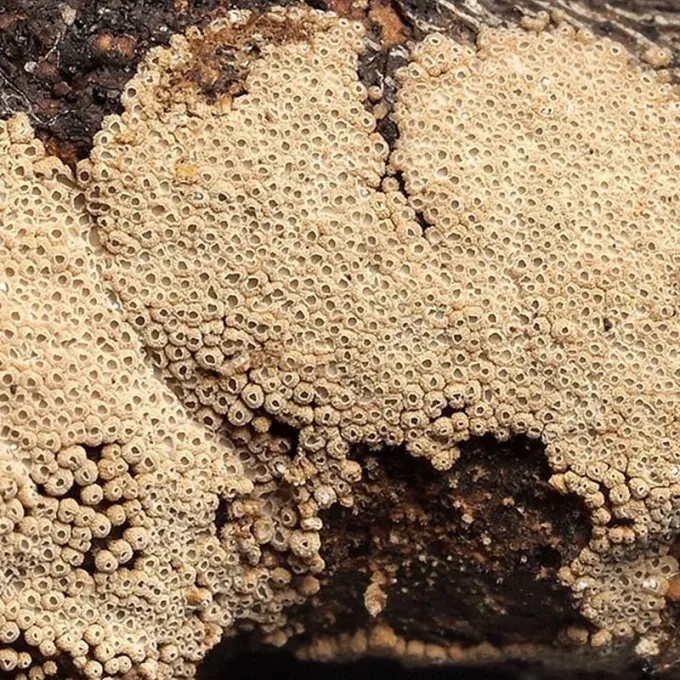
The most visible signs are small, grayish-brown, cup-like or saucer-shaped fruit bodies arranged in clusters on the bark surface.
These fruiting bodies often form dense colonies, creating a textured, velvety appearance on the branches, especially during humid weather.
Affected bark areas may show signs of discoloration, longitudinal cracking, and localized patches of tissue decay.
As the infection progresses, the bark may begin to peel away, exposing the underlying wood, which may show signs of white rot.
In the early stages, the fungus is often overlooked because the fruit bodies are very small and blend in with the texture of the bark.
Pathogen
Merismodes anomala is a basidiomycete fungus that primarily acts as a wood-decay organism on dead or weakened branches of deciduous trees.
While often classified as a saprotroph, it can occupy damaged tissues in living trees, contributing to the physiological decline of the host plant.
The fungus produces a mycelium that colonizes the bark and cambium layer, gradually disrupting the transport of nutrients within the affected branches.
Its biological cycle is adapted to survive on various woody substrates, allowing it to remain persistent in forest ecosystems and orchards.
Reproductive structures appear as tiny, cup-shaped fruit bodies that release spores, facilitating the spread of the fungus across new territories.
Conditions for development
The development of Merismodes anomala is favored by high humidity and moderate temperatures, which are common during spring and autumn months.
The fungus thrives in shaded areas within the tree canopy, where reduced air movement allows moisture to persist on the bark for longer periods.
Weakened trees, those suffering from nutrient deficiencies, or those with mechanical wounds are significantly more susceptible to infection.
Wind and rain splashes are the primary vectors for spore dispersal, carrying the fungus from infected deadwood to healthy or stressed branches.
Dense, unpruned canopies provide the ideal environmental conditions for the fungus to establish itself and spread throughout the host.
Why it matters
The fungus causes progressive branch dieback, which reduces the overall vigor of the tree and diminishes its capacity for photosynthesis.
By compromising the integrity of the bark, the fungus creates entry points for secondary pests and more aggressive pathogens.
In commercial orchards, the presence of this fungus can lead to reduced fruit yield and lower quality timber due to the degradation of woody tissues.
Severe infections can cause the deformation of the canopy structure, increasing the risk of branch breakage during strong winds.
Over time, the cumulative effect of the decay can lead to the premature death of the entire tree if effective management is not implemented.
Protection
Sanitation is the most critical control measure, involving the regular pruning and removal of all dead, diseased, or damaged branches.
It is essential to disinfect all pruning tools after working on infected trees to prevent the cross-contamination of healthy plants.
Applying protective fungicides to pruning wounds can significantly inhibit the colonization of the exposed tissues by fungal spores.
Maintaining optimal tree health through balanced fertilization and proper irrigation helps to enhance the tree's natural defense mechanisms.
Promoting good air circulation within the canopy through strategic pruning helps to create a less favorable environment for fungal spore germination.
Discussion
No discussions yet — be the first.