
Melosira granulata
Melosira granulata
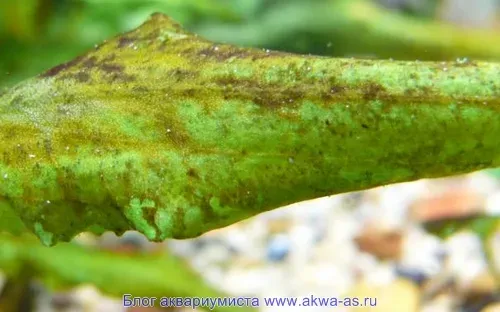
Description
Pathogen
Melosira granulata is a widespread species of diatom algae known for forming long, chain-like colonies of cylindrical cells.
In an agricultural context, this species is identified as a significant factor affecting the quality of irrigation water and aquatic ecosystems.
It acts as a primary producer, converting inorganic nutrients from agricultural runoff into organic biomass within ponds and reservoirs.
The morphology of these chains allows them to remain suspended in the water column under various flow conditions.
Understanding the life cycle of this diatom is essential for managing water quality in irrigation supply systems and aquaculture.
Conditions for development
The proliferation of Melosira granulata is primarily driven by high nutrient levels, particularly nitrogen and phosphorus runoff from fields.
Optimal development occurs at water temperatures ranging from 15 to 25 degrees Celsius, coinciding with peak agricultural activity.
Sufficient solar radiation is a critical requirement, as it powers the photosynthesis necessary for rapid cellular division.
Water turbulence or mixing helps keep the algal colonies in suspension, preventing them from settling and dying off in the benthic zone.
Eutrophic conditions characterized by high organic content promote rapid growth rates and dense population blooms.
Why it matters
Heavy blooms of this diatom significantly reduce water transparency, affecting the light penetration required by aquatic plants.
Oxygen depletion, caused by respiration during the night or decomposition of dead algal mass, poses a high risk to fish populations.
Clogging of irrigation filters, pipes, and nozzles by algal filaments results in increased maintenance costs for farmers.
The deterioration of water quality may negatively impact the growth and development of crops irrigated with affected water sources.
Secondary pollutants, including metabolites released during decay, may alter the chemical balance of the irrigation water.
Protection
The most effective strategy is to implement nutrient management plans to reduce the leaching of fertilizers into local waterways.
Installing vegetative buffer zones around water storage areas can effectively filter out nutrients before they reach the water body.
Mechanical aeration of irrigation ponds helps maintain dissolved oxygen levels and disrupts the stability required for mass bloom formation.
Regular water testing for phosphate and nitrate levels allows for early detection of conditions prone to algal outbreaks.
When necessary, specific biological control agents or targeted algicides can be employed to manage density in closed water systems.
Discussion
No discussions yet — be the first.