
Melosira
Melosira
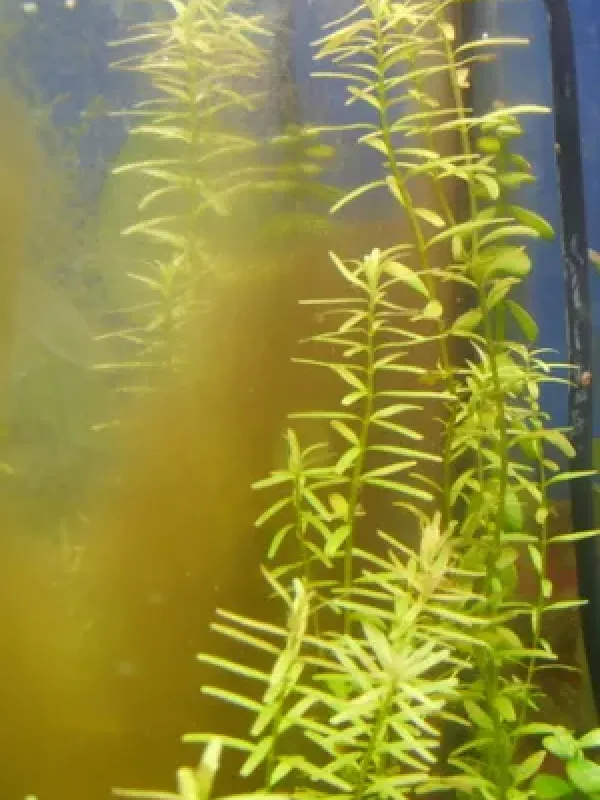
Description
Symptoms
Melosira appears as filamentous diatoms that form brownish, slimy, or cotton-like masses on the bottom of water bodies or on submerged objects.
During mass development, these algae form long, fragile threads consisting of cylindrical cells connected in chains.
Visually, affected areas in aquaculture or fish ponds look like a rusty-brown coating that can detach and float to the surface as loose clusters.
Under microscopic examination, the characteristic silica frustules are visible, which give the colonies their specific rigidity and brownish hue.
Changes in water transparency and the emergence of a specific odor of decay upon the death of large colonies are also significant signs of active reproduction.
Pathogen
The pathogens are microscopic diatoms of the genus Melosira, which belong to the division Bacillariophyta.
These are autotrophic organisms with a complex shell made of silica, making them highly resistant to environmental stressors in aquatic habitats.
The biology of the species is characterized by rapid vegetative cell division, where daughter cells remain connected to form long filamentous chains.
For the metabolism of this pathogen, the concentration of dissolved silica in water is critical, as it is used to build protective frustules.
Reproduction occurs through both simple division and sexual processes when conditions become unfavorable, allowing the algae to overwinter as spores.
Conditions for development
Melosira actively develops in cool water, often peaking in population density during spring and autumn at moderate temperatures.
High levels of nutrients, particularly nitrogen and phosphorus runoff from agricultural fields, significantly accelerate colony growth.
Stagnant water conditions and low flow rates facilitate biomass accumulation, as diatoms prefer stable lighting conditions.
High light intensity combined with an abundance of dissolved silica creates ideal environments for explosive population growth.
The pH level is also an important factor: these algae thrive in neutral or slightly alkaline waters common in most freshwater farms.
Why it matters
In aquaculture, Melosira is harmful because, during excessive development, it restricts oxygen access to bottom sediments, causing fish suffocation.
Mass die-offs of these algae lead to rapid oxygen depletion by bacteria decomposing the organic matter, severely degrading water quality.
Algal threads can mechanically entangle fish fry and invertebrate larvae, hindering their movement and access to food sources.
By adhering to fish gills, small fragments of colonies cause irritation and predispose fish to secondary bacterial infections.
Furthermore, the intense growth of Melosira blocks photosynthesis for other beneficial phytoplankton, disrupting the natural food chain in ponds.
Protection
The primary prevention method is managing nutrient levels in the water by creating buffer zones around fish ponds.
Liming of water helps to limit silica availability and balance pH levels, making the environment less hospitable for diatoms.
Increasing water flow and providing vigorous aeration effectively prevents the formation of dense colonies and the settling of threads.
Using biological control methods, such as stocking ponds with herbivorous fish, helps naturally manage algal biomass.
- Regular monitoring of water chemistry parameters
- Mechanical removal of large clusters from the shoreline
- Controlling agricultural fertilizer runoff from surrounding lands
Discussion
No discussions yet — be the first.