
Melosira algae
Meloseirales
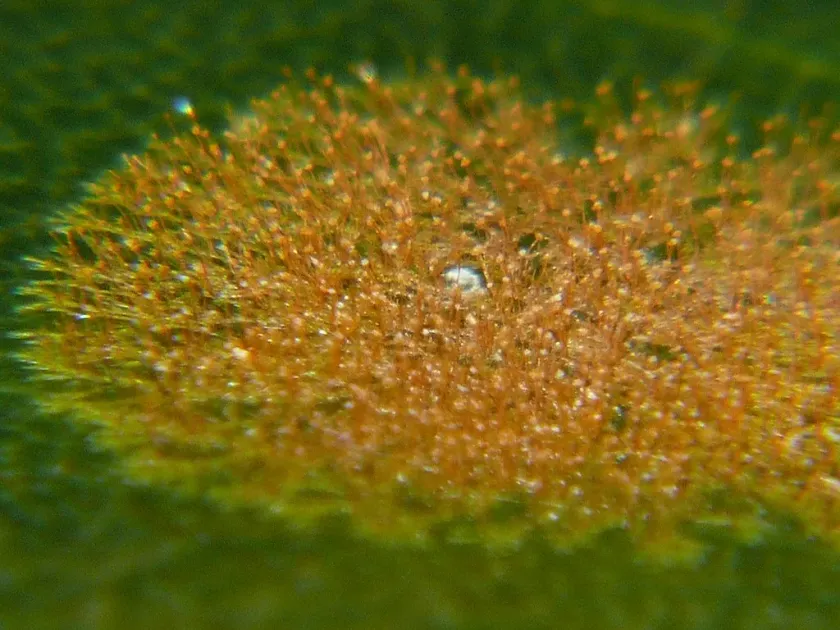
Description
Pathogen
Melosira is a genus of filamentous diatoms belonging to the order Melosirales. These organisms form long, cylindrical chains of cells, which are encased in silicate frustules.
While they play a significant role in aquatic ecosystems, in agricultural setups like hydroponics, they are viewed as biofilm-forming contaminants. Their structure allows them to adhere firmly to piping and roots.
Biologically, these algae are photosynthetic eukaryotes. They rely on light energy and dissolved nutrients to reproduce rapidly, forming dense mats that can cover submerged surfaces.
The life cycle of these diatoms includes the formation of resting spores, which are highly resistant to environmental stressors. This makes the eradication of Melosira from greenhouse systems quite challenging.
Their presence indicates an imbalance in the nutrient solution, specifically an overabundance of silicon and available nitrogen, which they utilize for building their cell walls and vegetative growth.
Conditions for development
The growth of Melosira is triggered by exposure to light, which is why open nutrient tanks are the primary sites for outbreaks. Even indirect light can stimulate their photosynthetic activity.
Eutrophic conditions, characterized by high concentrations of nitrates and phosphates, provide the necessary fuel for rapid cell division. Proper nutrient management is essential to prevent their spread.
Temperatures ranging from 10 to 20 degrees Celsius are optimal for their proliferation. In many hydroponic environments, this temperature range is maintained for the crops, inadvertently favoring the algae.
Slow or stagnant water flow promotes the settling of algae chains on equipment surfaces. Once attached, they expand into complex, multi-layered biofilms that are difficult to remove mechanically.
The availability of dissolved silica in the water supply is the limiting factor for their development. In systems with high-silica water, diatom blooms are significantly more frequent.
Why it matters
Melosira algae cause mechanical blockages in irrigation lines, emitters, and pumps. This leads to uneven nutrient distribution and potential irrigation failure, which can kill delicate crops.
By creating a biofilm on the root zone, they compete with plants for oxygen and essential micronutrients. This leads to root stress, stunted growth, and a decrease in overall crop yield.
The decay of dead algal biomass contributes to the depletion of dissolved oxygen in the nutrient solution. This anaerobic environment encourages the growth of harmful bacteria and fungi.
The aesthetic issues caused by excessive algae growth make it difficult to inspect the plants for signs of pest infestations or nutritional deficiencies in the root system.
The rapid uptake of iron and other trace elements by the algae often leads to secondary nutrient deficiencies in the cultivated plants, necessitating corrective fertilization.
Protection
The primary defense against Melosira is rigorous light exclusion. All water reservoirs and nutrient lines should be constructed from opaque materials to prevent photosynthesis.
Incorporating UV sterilization technology into the irrigation loop is the most effective chemical-free method to kill spores and vegetative cells of diatoms.
Periodic maintenance involving the mechanical scrubbing of surfaces and the application of hydrogen peroxide solutions can help dissolve existing biofilms and sanitize the system.
Monitoring the silicon content in the source water and optimizing the pH levels can create an unfavorable environment for Melosira, suppressing their ability to form cell walls.
- Seal all light leaks in nutrient tanks.
- Install UV-C disinfection units in the system.
- Implement scheduled reservoir cleaning.
- Filter intake water to remove dormant spores.
- Ensure constant circulation to prevent stagnant zones.
Discussion
No discussions yet — be the first.