
Melogramma spiniferum
Melogramma spiniferum
Description
Symptoms
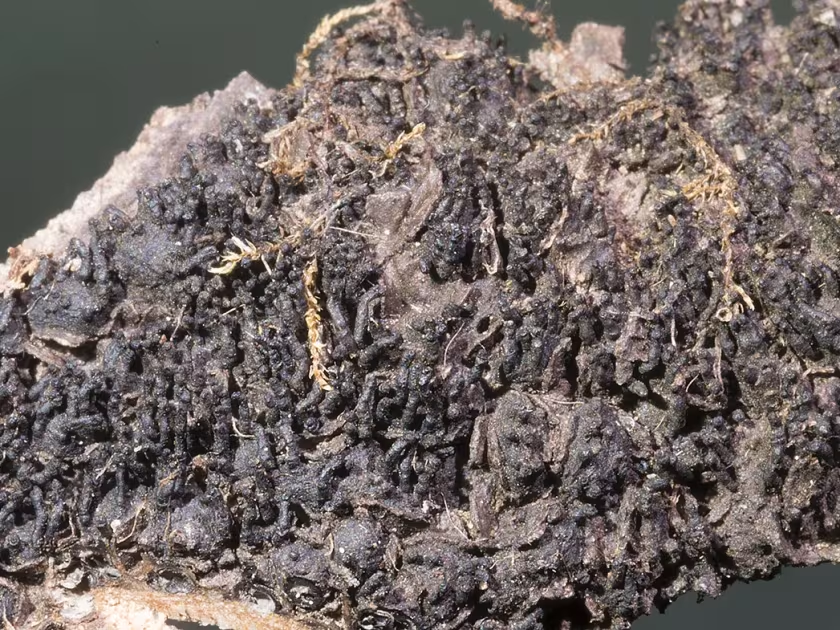
A hallmark symptom is the presence of small, black, spine-like structures emerging from the bark. These are the fruiting bodies of the fungus, usually occurring in clusters.
Bark tissue surrounding the infection site often shows signs of necrosis, including darkening, cracking, or premature loosening from the underlying xylem.
Branches affected by the fungus exhibit signs of dieback. This often begins with individual leaves yellowing or drooping, followed by the gradual death of the entire branch.
Under close inspection, one may observe a disruption in the natural growth patterns of the bark, as the fungus pushes through the protective periderm layers to sporulate.
In advanced cases, the bark may peel away entirely, exposing the diseased wood beneath, which can be discolored due to the presence of mycelial mats.
Pathogen
The disease is caused by the ascomycete fungus Melogramma spiniferum. This pathogen is known to colonize the bark of various deciduous trees, functioning as a parasite on weakened hosts.
The fungus produces stromatic fruiting bodies that erupt through the bark surface. These structures serve as the primary release point for fungal spores, facilitating local and aerial transmission.
Mycelium penetration into the cambium and inner bark layers disrupts the tree's vascular system. The fungus is capable of surviving in dead wood debris for extended periods.
Its biological cycle is intricately linked to humidity levels, which allow for the dispersal and germination of spores during the active growing season of the host.
As a specialized fungal pathogen, Melogramma spiniferum exploits micro-injuries in the bark to establish its colonies, often signaling underlying stress within the tree.
Conditions for development
The development of this fungal disease is heavily dependent on the tree's health status. Trees suffering from drought, poor nutrition, or structural damage are significantly more susceptible.
High relative humidity and moderate temperatures provide the perfect environmental conditions for the fungus to complete its reproductive cycles and spread effectively.
Physical trauma to the tree—caused by wind, frost, or incorrect pruning—provides the necessary entry points for spores to infect the woody tissues of the plant.
Poor orchard or woodland management, specifically high-density planting that restricts airflow, facilitates a microclimate conducive to the rapid spread of the pathogen.
Seasonal fluctuations that weaken the tree's natural defense barriers, such as late spring frosts, can trigger outbreaks by leaving the host vulnerable to colonization.
Why it matters
The damage caused by Melogramma spiniferum ranges from localized twig death to the decline of major structural branches, leading to a loss of overall tree vigor.
Chronic infections sap the plant's resources, resulting in stunted growth and a reduced capacity for the tree to withstand other environmental stressors like pest attacks.
Structural integrity is compromised in heavily infected trees, making them prone to limb failure during storms, which poses a safety risk in landscapes and public areas.
The aesthetic value of trees is significantly diminished by the presence of necrotic lesions and dieback, which is a major concern for ornamental and urban forestry.
If left unmanaged, the fungus can build up a high inoculum load in the vicinity, threatening neighboring trees and potentially leading to a broader outbreak in the garden.
Protection
The most effective management strategy is rigorous sanitation, which includes the removal and destruction of all infected branches to eliminate the fungal source.
Applying copper-based fungicides during the early spring can help protect healthy bark and prevent new infections from establishing during the initial growth phase.
Promoting tree vitality through proper irrigation, balanced fertilization, and avoiding physical damage to the trunk is essential for maintaining natural resistance.
Disinfecting all pruning tools between cuts is crucial to prevent the mechanical transmission of spores from infected to healthy trees in the planting area.
Regular monitoring of tree health allows for the early detection of symptoms, ensuring that localized infections can be managed before they escalate into systemic damage.
Discussion
No discussions yet — be the first.