
Melogramma gyrosum
Melogramma gyrosum
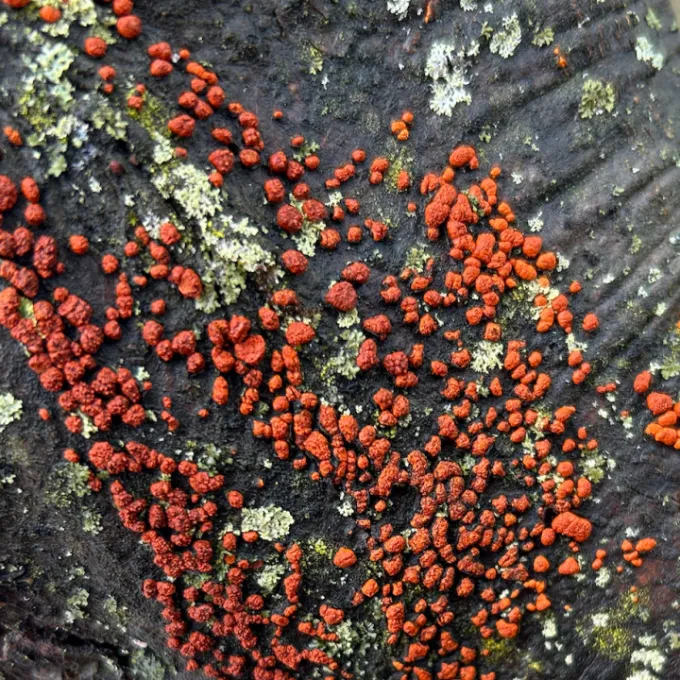
Description
Symptoms
The earliest visual symptoms include the appearance of small bumps or distorted, wavy lines on the surface of the bark, which indicate internal mycelial growth.
As the disease progresses, the bark begins to crack or peel, exposing the dark, crust-like fruiting bodies of the fungus. The underlying wood often changes color, showing dark discoloration and signs of tissue decay.
Necrotic spots form around the infection site. These areas lack elasticity and become brittle, often leading to deep fissures that expose the heartwood to further environmental degradation.
Infected trees typically show signs of canopy decline, including yellowing leaves, premature leaf drop, and a noticeable reduction in annual growth increments.
In advanced stages of infection, specific branches may die back completely. If the pathogen spreads to the main trunk, it poses a severe threat to the entire structural integrity of the tree.
Pathogen
Melogramma gyrosum is a fungal pathogen classified within the Sordariomycetes class. It is a specialized fungus known for colonizing the bark and cambial layers of various deciduous tree species.
The fungus acts as a parasite that exploits the host's weakened tissues. It utilizes the organic components of the bark as a substrate for its growth, which eventually compromises the tree's vital functions.
The biological cycle involves the production of ascostromata, which serve as the reproductive structures for the fungus. These structures release spores that spread through wind, rain, and mechanical contact.
By releasing enzymes, the fungus breaks down the complex organic structures of the wood. This process effectively kills the living cells, leading to areas of necrotic tissue that expand over time.
Accurate diagnosis of Melogramma gyrosum usually requires mycological examination of the fruiting bodies, as various bark-inhabiting fungi can present similar symptoms in the field.
Conditions for development
The development of Melogramma gyrosum is strongly influenced by environmental moisture. Prolonged wet weather provides the perfect conditions for spore germination and colonization of the bark surface.
Trees weakened by drought, waterlogging, or poor soil fertility are significantly more susceptible to infection. Stress factors compromise the tree's natural defense mechanisms.
Poor airflow within dense canopies creates a microclimate with high humidity, which favors the spread of the fungus. Proper pruning is essential to ensure adequate ventilation and sunlight penetration.
Mechanical injuries caused by frost, wind, or improper maintenance tools provide direct access points for spores. Wounds in the bark serve as ideal entry sites for the fungus.
The presence of dead wood and leaf litter in the garden can harbor the pathogen, acting as a reservoir for spores that can reinfect healthy trees during favorable weather conditions.
Why it matters
The primary danger lies in the damage to the phloem and cambium, which disrupts the transport of water and nutrients. This interference leads to systemic decline and reduced tree vigor.
Infected limbs lose their structural strength, becoming prone to breaking under heavy loads such as snow or strong winds, which creates a safety risk in urban or residential areas.
The aesthetic value of trees is significantly diminished. In ornamental landscapes, the presence of peeling bark and necrotic patches is highly detrimental to the visual appearance of the garden.
Heavily infected trees often struggle to recover and become more vulnerable to secondary pests and pathogens, entering a cycle of decline that is difficult to reverse.
If left unmanaged, the pathogen can spread to surrounding healthy trees, potentially leading to the loss of entire plantings and significant long-term damage to the environment.
Protection
The most effective management strategy is rigorous sanitation. Removing and destroying infected branches at the first sign of disease is critical to limiting the spread of spores.
All pruning tools must be thoroughly disinfected after use on an infected tree to prevent cross-contamination. Alcohol or bleach solutions are commonly used for this purpose.
Applying protective fungicides to the bark in early spring can help reduce the spore load, particularly in gardens where the disease has been historically present.
Promoting tree health through appropriate fertilization and supplemental watering during dry spells builds the host's resilience against opportunistic fungal infections.
- Monitor tree bark regularly for early detection of abnormal growths.
- Avoid wounding trees during routine lawn maintenance.
- Maintain proper spacing to improve air circulation in the garden.
Discussion
No discussions yet — be the first.