
Melogramma
Melogramma
Description
Symptoms
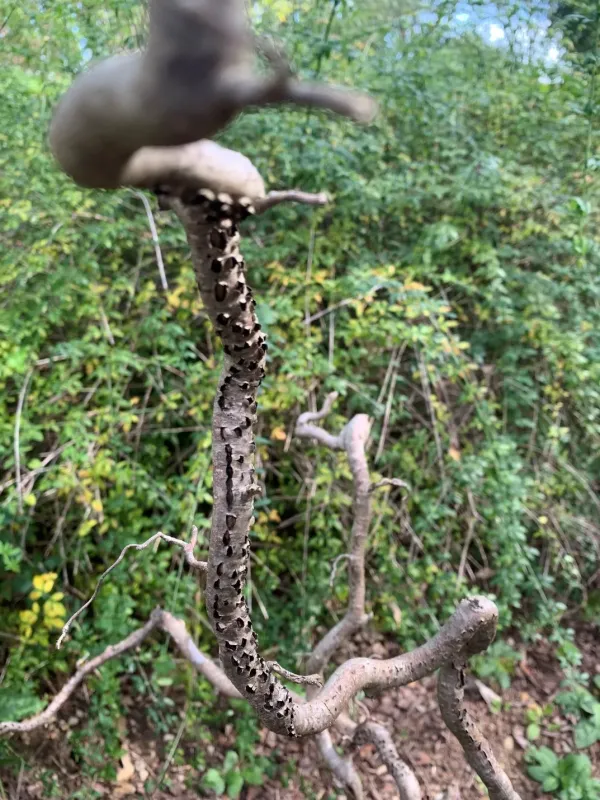
A hallmark symptom is the appearance of small, raised, black fungal stromata on the branches and main trunks of the affected tree.
The bark surrounding these fungal structures often changes color, showing signs of necrosis. Eventually, the affected bark may crack or peel away from the wood.
Branch dieback is a common result of colonization. Leaves on infected branches may yellow, wither, and drop prematurely before the branch fully dies.
The presence of lesions can lead to deformed growth and weakened limbs, which may break under stress or heavy snow loads.
- Dark, erupted fungal stromata on bark.
- Necrotic patches on the trunk or branches.
- Premature yellowing and loss of leaves.
- Dieback of individual twigs and large branches.
Pathogen
The disease is caused by fungi belonging to the genus Melogramma, which are members of the Ascomycota division. These fungi act as parasites or weak pathogens on various tree species.
The fungal mycelium spreads within the bark and cambium layers of the host plant. Over time, it develops dark-colored stromata that emerge through the bark surface.
Reproduction occurs via spores, which are effectively disseminated by wind and splashing water. This allows the pathogen to spread to healthy neighboring trees.
The fungus can survive in deadwood and infected branches for several seasons, serving as a persistent source of inoculum in garden environments.
Biology of Melogramma is closely linked to the physiological state of the tree. The pathogen thrives when the tree's natural defenses are compromised.
Conditions for development
High humidity and consistent moisture are the most significant factors promoting the rapid development and spread of Melogramma infections.
Trees that are physically stressed by drought, poor soil quality, or mechanical injuries are significantly more susceptible to successful fungal colonization.
Lack of proper pruning and dense canopy structures prevent air circulation, keeping the bark surface moist and creating a favorable environment for spores.
The pathogen is most active during periods of temperate, rainy weather, which facilitate both spore production and germination on new sites.
Neglected orchards or parks with large amounts of debris provide an ideal reservoir for the fungus to persist and multiply over several years.
Why it matters
The primary damage caused by this disease is the gradual death of tree limbs, which significantly reduces the tree's aesthetic and structural value.
By disrupting the vascular tissues, the fungus hinders the flow of nutrients and water, causing the tree to weaken and lose overall vitality.
In fruit-bearing trees, the reduction in overall plant health directly correlates with decreased fruit production and poor harvest quality.
Severe infestations can eventually lead to tree mortality, especially in weakened or younger specimens that cannot overcome the widespread infection.
Furthermore, Melogramma can predispose trees to attacks by secondary wood-boring pests and opportunistic wood-decaying fungi.
Protection
Sanitation is the most crucial control measure. All infected branches must be pruned back to healthy wood and removed from the site to minimize inoculum.
Sterilizing pruning tools between cuts is essential to prevent mechanical transmission of fungal spores from diseased parts to healthy tissues.
Protecting pruning cuts with appropriate wound sealants helps prevent new infections. Good maintenance practices, like fertilization, boost tree immunity.
Fungicide applications, particularly copper-based formulations applied in the dormant season, can help reduce the spore load on the bark surface.
Proper thinning of the crown improves airflow and light penetration, significantly lowering the local humidity that the fungus requires to thrive.
Discussion
No discussions yet — be the first.