
Meliolaceae
Meliolaceae
Description
Symptoms
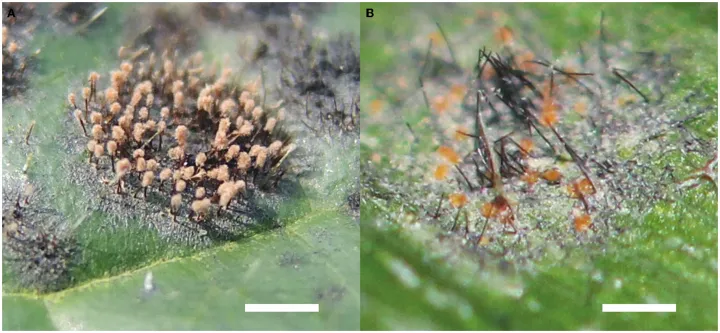
The primary symptom of Meliolaceae infection is the appearance of dark, soot-like mycelial mats on the surfaces of leaves, twigs, and fruits of host plants.
The mycelium grows superficially, forming a dense, black network of hyphae that covers the leaf surface but does not penetrate deep into the plant tissues.
Small, black, spherical fruiting bodies known as perithecia are often visible to the naked eye, dotting the surface of the infected plant parts.
Infected leaves often lose their natural green color and become covered in a dusty or crusty black film that is difficult to remove mechanically.
Plants affected by this fungus often exhibit symptoms of reduced vigor and stunted growth due to the blockage of essential sunlight and stomatal respiration.
Pathogen
The causative agents belong to the family Meliolaceae, which comprises a large group of obligate biotrophic fungi within the order Meliolales.
These fungi are specialized epiphytes that remain on the surface of the plant, anchored by specialized structures called hyphopodia used to derive nutrients.
Their biology is highly adapted to tropical and subtropical environments, where they thrive as specific parasites on a wide array of host plant species.
Reproduction occurs through ascospores, which are ejected from perithecia and disseminated primarily by wind and splashing water onto new hosts.
The family is characterized by dark, pigmented mycelia which provide protection against ultraviolet radiation, allowing them to survive on exposed leaf surfaces.
Conditions for development
High humidity and consistent moisture levels are critical requirements for the germination of Meliolaceae spores and the colonization of plant surfaces.
Warm temperatures facilitate rapid vegetative growth of the fungal mats, which is why these diseases are most prevalent in humid tropical climates.
The presence of honeydew secreted by sap-sucking insects like aphids, whiteflies, or scale insects is a major factor that promotes fungal establishment.
Poor ventilation within dense canopy structures or greenhouse environments significantly increases the risk of rapid spread and infection intensity.
Lack of direct sunlight creates micro-habitats on the leaves where moisture persists for longer periods, providing an ideal window for fungal development.
Why it matters
The primary damage is caused by the physical shading of the leaf surface, which severely restricts photosynthesis and reduces the plant's carbohydrate production.
Long-term infestation leads to premature senescence of leaves, causing them to drop early and weakening the overall health of the tree or plant.
In commercial agriculture, the presence of the black fungal film reduces the aesthetic and commercial quality of fruits, making them unfit for market.
Decorative plants suffer from significant devaluation due to the unsightly black staining, which is often difficult to wash off even after treatment.
Weakened host plants become more susceptible to further physiological stress and can be easier targets for opportunistic secondary pathogens or pests.
Protection
Effective management begins with the control of sap-sucking insect populations, as their honeydew secretions provide the necessary nutrition for fungal growth.
Implementing proper pruning practices improves airflow and light penetration, creating an environment that is less favorable for fungal colonization.
Fungicides, particularly those containing copper or systemic active ingredients, can be used to manage outbreaks and prevent the spread of spores.
Sanitation is key; removing heavily infected leaves and branches can significantly reduce the inoculum pressure within a garden or orchard setting.
- Monitoring for insect pests regularly.
- Using horticultural soaps to clean sooty deposits.
- Maintaining adequate plant spacing for airflow.
- Applying preventive fungicide treatments.
Discussion
No discussions yet — be the first.