
Meliola orchidacearum
Meliola orchidacearum
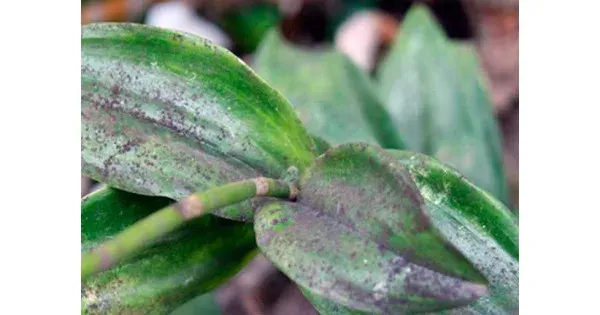
Description
Symptoms
The primary symptom is the appearance of a dark, velvety, soot-like fungal growth on the leaves, pseudobulbs, and sometimes even flower stalks.
Unlike common surface dust, this mold is difficult to wash off as the mycelium is firmly attached to the plant's cuticle.
Affected plants often display signs of chlorosis, where the leaf tissue turns yellow due to the blockage of light and subsequent reduction in photosynthetic activity.
- Black, velvet-like patches on foliage.
- Reduced growth rate and overall plant weakness.
- Small dark specks representing the fungus's fruiting bodies.
Severe infestations can lead to leaf drop, necrosis, and a general decline in the plant's vigor, making it vulnerable to other pathogens.
Pathogen
The causative agent of the disease is the ascomycete fungus Meliola orchidacearum, a specialized parasite that exclusively targets members of the Orchidaceae family.
The mycelium of the fungus develops primarily on the surface of the plant, attaching itself via specialized structures called appressoria, which allow it to absorb nutrients from the host's cells.
The fungus reproduces through sexual (perithecia) and asexual (conidia) stages, ensuring its survival and rapid spread in enclosed environments like greenhouses.
Dissemination occurs via airborne spores and the movement of insects, which carry the fungal propagules between plants in a collection.
The pathogen persists on decaying plant material or directly on infected leaves, making sanitation a critical aspect of disease management.
Conditions for development
High relative humidity, typically exceeding 75%, provides the optimal environment for the fungus to colonize and spread across the plant tissue.
Stagnant air, common in poorly ventilated indoor setups or dense collections, allows spores to settle and germinate without disturbance.
Warm temperatures between 22 and 28 degrees Celsius accelerate the life cycle of Meliola orchidacearum, leading to rapid outbreaks.
The presence of honeydew secreted by sap-sucking pests like scale insects or mealybugs creates a nutrient-rich substrate that triggers fungal growth.
Poor lighting conditions reduce the plant's natural immune response, rendering it more susceptible to colonization by this opportunistic parasite.
Why it matters
The fungus severely restricts light penetration to the leaf epidermis, which inhibits photosynthesis and leads to significant energy deprivation.
Gas exchange through the plant's stomata is hindered, disrupting the metabolic processes essential for the orchid's survival and blooming.
Chronic infestation drains the plant's resources, often leading to the cessation of flower production and the gradual weakening of the root system.
If left unchecked, the disease can cause systemic tissue death and open the way for secondary bacterial or fungal infections that destroy the plant.
The aesthetic value of the orchids is entirely compromised, making the plants unsuitable for display or commercial sale.
Protection
Implementing good air circulation using fans is the most effective preventative measure to keep leaf surfaces dry and prevent spore germination.
Regular monitoring for sap-sucking pests is essential, as controlling these insects prevents the accumulation of honeydew that fuels the fungus.
Any leaves showing signs of infection should be pruned using sterilized tools and disposed of immediately to prevent further contamination.
Systemic fungicides containing copper or azole compounds can be used to treat infected plants; repeat applications are usually necessary for full eradication.
Ensuring proper nutrition and adequate light levels helps the orchids maintain their natural resilience against fungal attack.
Discussion
No discussions yet — be the first.