
Meliola opuntiae
Meliola opuntiae
Description
Symptoms
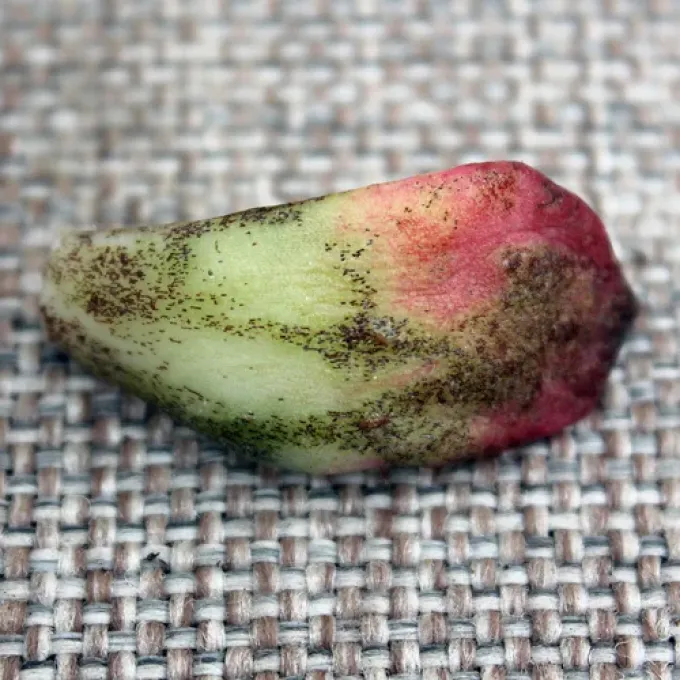
The primary symptom of an infection is the development of a black, velvety coating on the surface of the cactus pads.
This fungal growth forms dense mats that adhere firmly to the plant's epidermis, making it difficult to remove by simple washing.
Visible signs often start as small circular spots that gradually expand and merge into larger patches covering the plant.
The plant may exhibit reduced growth rates and poor vitality due to the interference caused by the dark mycelial layer.
The aesthetic appearance is severely compromised, and the affected areas may appear discolored or scarred beneath the mold.
Pathogen
The causative agent of this condition is the fungus Meliola opuntiae, which belongs to the order Meliolales.
This fungus is an obligate parasite that specifically targets members of the Cactaceae family, particularly the genus Opuntia.
It typically lives as an epiphyte on the surface of the plant, developing a dark-colored mycelial network known as sooty mold.
The life cycle of the pathogen is well-adapted to tropical and subtropical climates where humidity is high for extended periods.
Propagation is achieved through the production of ascospores, which are dispersed by wind, rain splashes, or crawling insects.
Conditions for development
High relative humidity is the most critical environmental factor that facilitates the rapid development of Meliola opuntiae.
Poor ventilation in greenhouse environments leads to stagnant air, which creates a perfect microclimate for fungal colonization.
The presence of honeydew secreted by sucking pests, such as scale insects or mealybugs, provides a necessary substrate for growth.
Temperatures ranging from 20 to 28 degrees Celsius are generally considered optimal for the rapid germination of fungal spores.
Improper watering practices that increase ambient humidity around the cactus pads also contribute to higher infection risks.
Why it matters
The fungus hinders photosynthesis by physically blocking sunlight from reaching the chlorophyll in the cactus epidermis.
Gas exchange is impaired due to the blockage of stomata, which can lead to metabolic stress and inhibited plant growth.
The affected surfaces become weakened, making them susceptible to opportunistic secondary infections by bacteria or other fungi.
The plant's overall vigor declines significantly, which may result in stunted development or the eventual loss of succulent segments.
In ornamental horticulture, the presence of this sooty mold drastically reduces the market value and health of the cactus collection.
Protection
Prevention involves ensuring adequate airflow and maintaining appropriate humidity levels to inhibit fungal sporulation.
It is crucial to control populations of sucking insects, as their sugary secretions are a primary catalyst for sooty mold development.
Early detection through regular inspection is vital to isolate affected plants before the infection spreads to the entire collection.
Application of suitable systemic fungicides can effectively suppress the fungal growth and protect the plant's epidermis.
Maintaining high standards of plant hygiene, including cleaning contaminated pads, is a standard component of integrated pest management.
Discussion
No discussions yet — be the first.