
Melastiza
Melastiza
Description
Symptoms
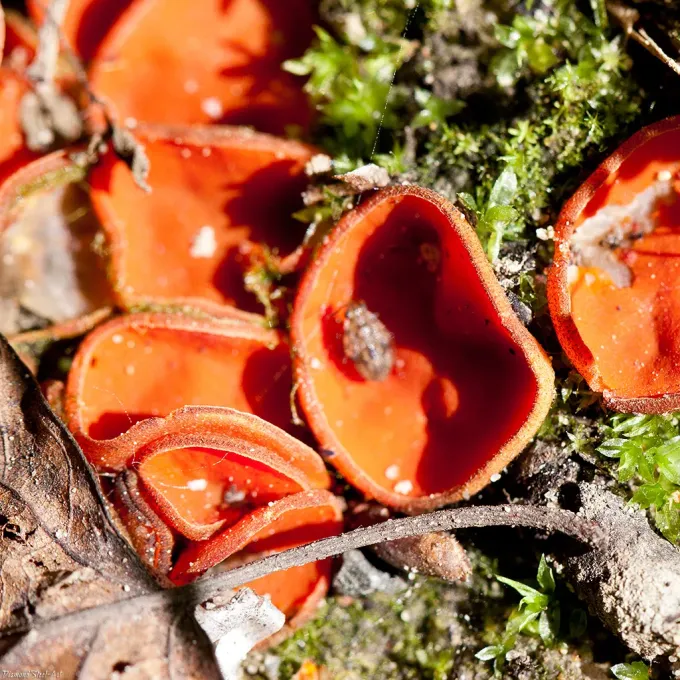
The first sign of Melastiza presence is the formation of bright orange or reddish cup-shaped structures on the soil or substrate surface.
These fruiting bodies range from a few millimeters to several centimeters in diameter and often cluster in dense groups.
Mycelial growth is often accompanied by a white or grayish coating that tightly binds the upper layer of the soil.
In nursery trays, the presence of the fungus can lead to the displacement of crop seedlings and disruption of the moisture balance in the root zone.
During massive outbreaks, the mycelium can form a crust that impedes soil aeration and prevents water from reaching the roots.
Pathogen
The genus Melastiza belongs to the Pyronemataceae family (order Pezizales). These are ascomycete fungi that typically live a saprotrophic lifestyle.
The primary species encountered in agricultural contexts is Melastiza chateri. It is not an obligate parasite, but its active growth in the substrate can hinder plant development.
The fungus's mycelium colonizes organic matter, transforming it into a nutrient medium suitable for the formation of its fruiting bodies.
Morphologically, they are discomycetes that form orange-red cup-shaped apothecia, characterized by distinct cilia along the margins.
Reproduction occurs through ascospores, which are spread by air currents or water droplets.
Conditions for development
Fungal development is closely linked to excessive soil moisture and high organic content within the substrate.
Optimal conditions include temperatures between +18°C and +24°C and stagnant air in closed environments like greenhouses or cold frames.
The fungus prefers neutral to slightly alkaline soils and is frequently found in substrates rich in peat or compost.
Lack of regular ventilation and proper drainage promotes rapid colonization of the growing area by fruiting bodies.
Drip irrigation and the movement of contaminated soil between beds facilitate the spread of spores.
Why it matters
Direct pathogenicity towards healthy adult plants is generally low, but the fungus competes for essential soil nutrients.
It poses the greatest threat to sensitive seedlings, inhibiting growth by altering the microbial composition of the rhizosphere.
The mass proliferation of apothecia creates phytosanitary concerns, indicating underlying flaws in agricultural practices.
Accumulation of mycelium in the soil may predispose crops to secondary infections by attracting soil-borne pests.
Economic losses are primarily associated with the need for soil replacement or costly disinfection procedures.
Protection
The primary preventive measure is the sterilization of soil mixes prior to their use in greenhouse production.
Ensuring regular greenhouse ventilation is crucial to lower humidity levels and allow the soil surface to dry out.
Irrigation must be strictly managed to avoid overwatering and waterlogging on the substrate surface.
Upon detection, fruiting bodies should be carefully removed along with the surrounding soil to prevent spore dispersal.
For chemical control, broad-spectrum fungicides targeting soil-borne fungi are used, alongside liming if the substrate becomes too acidic.
Discussion
No discussions yet — be the first.