
Melanotaenium
Melanotaenium
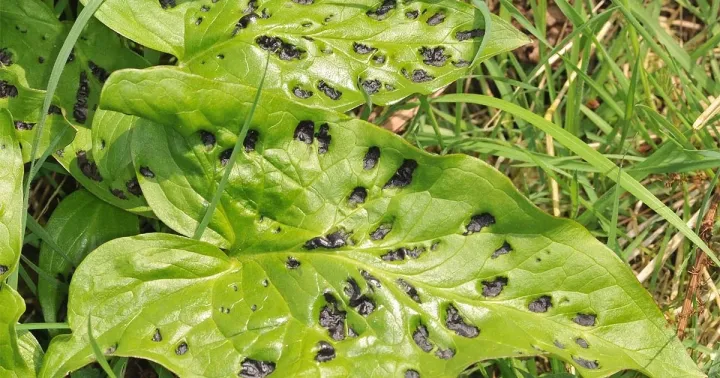
Description
Symptoms
The primary symptom of Melanotaenium infection is the formation of deformations on stems, leaves, or reproductive structures. These are often manifested as galls or localized swellings where the fungus is concentrated.
As the disease progresses, these galls rupture, releasing a mass of black teliospores. This gives the affected plant parts a dusty appearance, often resembling soot, which is a classic diagnostic marker for smut fungi.
Chlorosis and leaf distortion are commonly observed in the vicinity of the infection site. This occurs because the fungus interferes with normal hormonal signaling and nutrient transport within the plant tissues.
Severely infected plants often exhibit stunted growth and loss of vigor. In many cases, the affected organs fail to develop properly, leading to significant yield loss.
- Dark pustules or tumor-like galls on aerial parts.
- Distortion of stems and curling of leaf blades.
- Black, powdery spore masses covering infected areas.
- Overall weakness and chlorotic symptoms on affected tissues.
Pathogen
Melanotaenium is a genus of smut fungi belonging to the order Ustilaginales. These organisms act as obligate parasites that specifically target various plant hosts, colonizing their tissues to fulfill their biological cycle.
The life cycle of the pathogen involves the production of teliospores, which serve as the primary inoculum for infection. These spores are highly resistant to environmental stressors, allowing the fungus to persist in soil or on plant debris.
Once conditions are favorable, spores germinate and penetrate the host tissue. The fungus then establishes itself within the intercellular spaces, developing specialized structures to extract nutrients from the plant.
Research indicates that species such as Melanotaenium euphorbiae utilize sophisticated molecular mechanisms to suppress the host's innate immunity, facilitating prolonged colonization without causing immediate necrosis.
Understanding the biology of this genus is crucial for effective disease management, as the internal mode of growth makes the pathogen difficult to reach with standard contact fungicides.
Conditions for development
Environmental factors are paramount for the development of Melanotaenium. High humidity and moderate temperatures between 15°C and 22°C create the optimal environment for spore germination.
Surface moisture on leaves is essential for infection to occur. Prolonged periods of rainfall or heavy dew significantly increase the probability of successful spore transmission and penetration.
Field density and aeration play a secondary role. Dense planting can trap moisture in the canopy, maintaining the high humidity required for the pathogen to thrive and spread throughout the crop.
The pathogen can survive in the soil for several seasons. Therefore, fields with a history of the disease pose a high risk for subsequent planting if resistant varieties or proper rotation are not employed.
Wind-driven spores can easily travel between fields, making regional disease monitoring important for large-scale agricultural operations.
Why it matters
The economic impact of Melanotaenium is significant, primarily due to the reduction in crop yield and quality. By diverting nutrients to its own development, the fungus weakens the plant's capacity for growth.
When the infection strikes generative organs, it can lead to total crop failure. Distorted or infected seeds are not only non-viable but also serve as vectors for further spread.
The presence of the fungus makes plants more susceptible to secondary invasions by other opportunistic pathogens, which further complicates the health of the crop.
Management costs, including fungicide applications and sanitation, increase production expenses. Furthermore, the persistent nature of the spores requires long-term planning for field management.
The cosmetic degradation caused by the disease renders produce unmarketable, causing substantial financial losses for commercial farmers and greenhouse operators.
Protection
Crop rotation is the most effective cultural practice for controlling Melanotaenium. By avoiding host plants for several consecutive years, farmers can significantly reduce the spore load in the soil.
Strict sanitation measures, such as the removal and safe disposal of infected plants, are essential in early infection stages to prevent spores from contaminating the rest of the field.
Seed treatment with systemic fungicides is a standard preventative measure. These chemicals protect emerging seedlings from early-stage infection and ensure better stand establishment.
In cases of outbreak, systemic fungicides of the triazole group have shown efficacy in suppressing the development of the fungus, although they are most effective when applied early.
Deep plowing helps bury infected crop debris, which accelerates the decomposition of plant tissues and reduces the chances of spore germination in the following growing season.
Discussion
No discussions yet — be the first.