
Melanopsichium
Melanopsichium
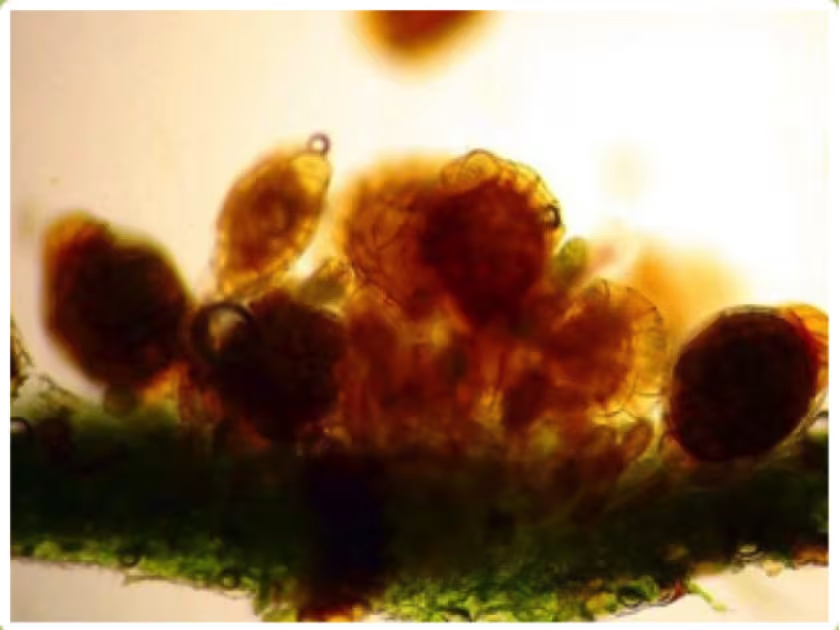
Description
Symptoms
The primary symptom of Melanopsichium infection is the development of specific galls or swellings on the aerial parts of the plant, including stems, leaves, and inflorescences.
These galls are hypertrophic growths of host tissue that enlarge as the fungus matures, eventually filling with a dark, powdery mass of spores.
Affected plant organs often show significant deformation and curvature, which disrupts the normal developmental trajectory of the plant.
When the outer membrane of the gall ruptures, the dark spore mass is released, making the infection visible and facilitating further dispersal by wind or rain.
Visual inspection of the crop canopy usually reveals these distinct, firm, and often irregularly shaped galls which are diagnostic for this type of smut infection.
Pathogen
The causative agents are fungi belonging to the genus Melanopsichium, which are members of the order Ustilaginales, commonly known as smut fungi.
These pathogens demonstrate high host specificity, primarily targeting plants within the Polygonaceae family, such as various species of Persicaria.
The life cycle involves the production of teliospores that can persist in the soil or on crop debris, serving as a primary source of inoculum for subsequent seasons.
The fungus colonizes the intercellular spaces of the host, secreting effectors that induce the tissue proliferation characteristic of gall formation.
Dissemination is largely mediated by environmental factors, as spores are transported to healthy host tissues to initiate new cycles of infection during the growing season.
Conditions for development
Disease development is highly favored by periods of high relative humidity and moderate temperatures, which are optimal for fungal growth and spore germination.
Free water on the plant surface, such as dew or rain, is critical for the infection process, allowing spores to successfully penetrate host tissues.
Dense planting patterns can exacerbate the spread of the disease by reducing airflow and creating a humid microclimate within the crop canopy.
The presence of infected plant residues from the previous year significantly increases the risk of early-season infection, as spores can overwinter successfully.
Physical injuries to the plant, whether caused by insects or field operations, provide convenient entry points for the fungal mycelium to establish itself.
Why it matters
The economic and biological harm caused by Melanopsichium is linked to the diversion of plant nutrients towards the development of fungal galls instead of vegetative or reproductive growth.
Systemic disruption of nutrient and water transport within the plant leads to stunted growth, reduced vigor, and potential wilting of affected branches.
Quality and yield are significantly impacted, as the fungus competes directly with the plant for metabolic resources, leading to reduced biomass accumulation.
The accumulation of spores within the field environment contributes to a long-term build-up of the pathogen, making future crop protection more difficult.
In highly susceptible populations, severe outbreaks can lead to substantial reductions in plant fitness and overall stand productivity.
Protection
Effective management begins with robust crop rotation, which is essential to decrease the soil-borne spore load and interrupt the infection cycle.
Sanitation practices, including the removal and destruction of crop residues, play a vital role in reducing the overall inoculum density in the field.
Weed control is equally important, as various wild hosts in the Polygonaceae family can act as reservoirs for the pathogen throughout the growing season.
Integrated pest management strategies should emphasize the use of resistant varieties, which provide the most durable and cost-effective method of control.
- Application of appropriate fungicides where necessary.
- Maintaining optimal planting density to improve aeration.
- Early detection and removal of infected plants in the field.
Discussion
No discussions yet — be the first.