
Melanophyllum
Melanophyllum
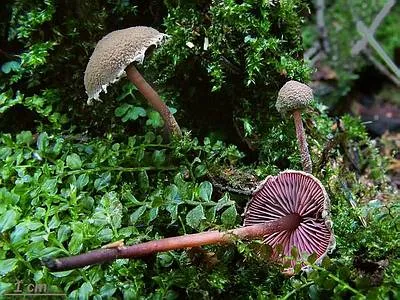
Description
Symptoms
Visible symptoms typically start at the collar region, where tissues change color to dark brown or black, indicating initial stages of necrosis.
Plants affected by Melanophyllum exhibit significant stunting and reduced vegetative growth compared to healthy plants in the same field.
Yellowing of the lower leaves is a classic symptom, occurring as the plant struggles to distribute limited water and nutrients to its upper parts.
In high-humidity conditions, a fine fungal growth or bloom may appear on the surface of the stems or roots, signaling active sporulation of the pathogen.
As the disease progresses, the roots become brittle and necrotic, leading to poor anchorage of the plant in the soil and eventual wilting.
Pathogen
The genus Melanophyllum comprises fungi that act primarily as saprotrophs in soil environments but can opportunistically affect stressed plant tissues.
Biologically, these fungi are characterized by their ability to thrive on organic matter, using it as a primary energy source until conditions allow them to infect weak hosts.
The pathogen spreads via spores which remain dormant in the soil for extended periods, waiting for the right moisture and temperature cues to germinate.
Taxonomically, the genus is recognized by its dark, often black-colored spore prints, which help in the field identification of the fungus during lab analysis.
Infection occurs when the fungal mycelium penetrates the root or stem epidermis, disrupting the plant's vascular pathways and uptake of nutrients.
Conditions for development
Excessive soil moisture is the primary driver of disease development, as waterlogged conditions promote the proliferation of fungal spores and mycelium.
Poor soil drainage leads to low oxygen levels in the rhizosphere, which weakens the roots and makes them more susceptible to fungal entry.
High levels of undecomposed crop residues in the upper soil layers provide an ideal substrate for the fungus to persist and build up its population.
Cool and humid weather conditions are optimal for the pathogen, as these factors slow down plant metabolic rates and favor fungal reproduction.
Over-application of nitrogenous fertilizers, which forces rapid, succulent growth, can inadvertently increase the plant's vulnerability to such infections.
Why it matters
The economic impact of this fungal disease includes reduced crop density, which lowers the overall harvest yield potential per hectare significantly.
The quality of the harvested produce often decreases, as diseased plants cannot properly develop grains, fruits, or bulbs, leading to smaller, lower-grade yields.
Field operations become more difficult due to crop lodging or the appearance of bare patches, which necessitates additional management and replanting efforts.
Stressed plants are less resilient to environmental stressors like drought or heat, causing larger losses during extreme weather events in the growing season.
Long-term harm includes the contamination of fields, which complicates future crop rotation plans by requiring specific measures to sanitize the soil.
Protection
Implementing a strict crop rotation schedule is a fundamental preventive measure, preventing the buildup of fungal populations in the soil over time.
Proper soil tillage practices that ensure the quick incorporation and decomposition of crop debris help to starve the pathogen of its food source.
Using certified, fungicide-treated seeds is crucial to protect young seedlings from early infection during the vulnerable germination stage.
Improving field drainage systems is highly recommended to avoid waterlogging and create an environment less favorable for fungal proliferation.
- Apply balanced phosphorus and potassium fertilizers to strengthen plant tissue.
- Monitor field conditions regularly and apply fungicides at the first sign of spread.
- Control weeds that might act as alternative hosts or reservoirs for the fungus.
Discussion
No discussions yet — be the first.