
Melanommataceae fungi
Melanommataceae
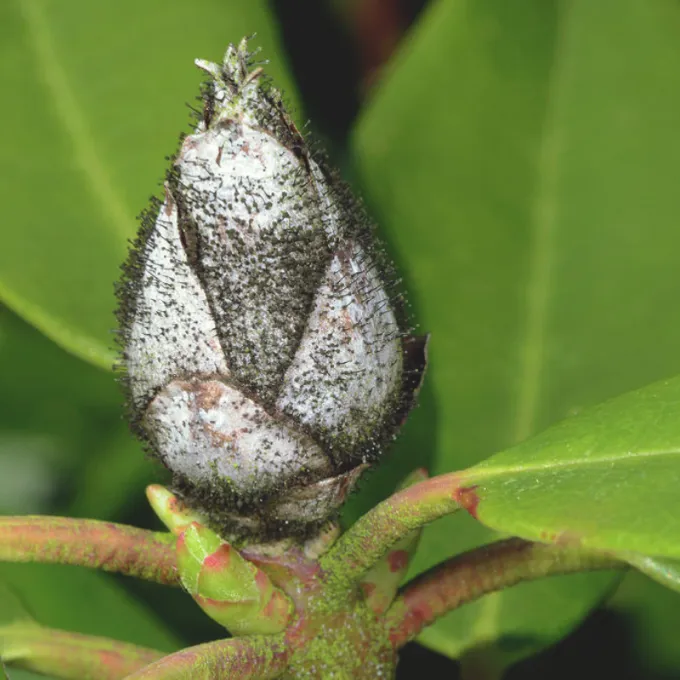
Description
Symptoms
Characteristic symptoms include the appearance of dark, necrotic lesions on stems, branches, and leaves, which often show a clear demarcation from healthy tissue.
In woody plants, the bark may show signs of cracking or peeling, revealing the small, black perithecia embedded within the outer layers of the plant material.
Leaf symptoms typically involve premature yellowing and necrosis, often starting from the margins and spreading inwards as the infection progresses.
Shoot dieback is a common result of advanced infection, leading to stunted growth, distorted stems, and eventual death of the affected plant segments.
- Black, dot-like fruiting bodies (perithecia) on host tissue.
- Dark necrotic spots or patches on foliage.
- Bark splitting and necrosis on branches.
- General wilting and premature defoliation.
Pathogen
The Melanommataceae family comprises a diverse group of ascomycetous fungi that primarily act as saprotrophs but can exhibit pathogenic traits, causing various tissue necroses in plants.
These pathogens invade host tissues through wounds or natural openings, colonizing the substrate and disrupting the normal physiological processes of the affected plant.
The infection type is often characterized by the formation of fruit bodies known as perithecia, which appear as distinct black structures on the surface of the infected plant parts.
Fungal development is closely linked to the availability of nutrients in dying or stressed tissues, which the fungus exploits to complete its life cycle.
The persistence of the pathogen in plant debris, bark, or soil makes it a significant concern for perennial crops and orchard management.
Conditions for development
Fungal activity is significantly enhanced by high atmospheric humidity and the presence of moisture on plant surfaces, which is essential for spore germination.
Temperatures ranging from 18°C to 25°C generally favor the rapid spread and colonization of the fungus within the host tissue.
Dense planting patterns that limit air movement and decrease sunlight penetration create a humid microclimate ideal for disease proliferation.
Wounds caused by pruning, mechanical harvesting, or insect activity provide direct entry points for the fungus into the plant's vascular system.
Plants under physiological stress, due to nutrient imbalances or water deficiency, are substantially more susceptible to infection by Melanommataceae.
Why it matters
The economic impact of these fungi is primarily driven by the reduction in photosynthetic efficiency, which directly translates to lower overall crop yields.
Severe infestations on woody perennials can lead to structural damage and the eventual loss of entire branches or even the whole plant.
Necrotic lesions on fruits or ornamental foliage significantly decrease the marketability and visual appeal of the harvested agricultural products.
The accumulation of inoculum in the environment necessitates long-term management strategies and potentially costly soil treatments.
Increased susceptibility to secondary pathogens following a Melanommataceae infection complicates recovery and necessitates comprehensive plant care.
Protection
Effective management begins with strict sanitation practices, including the removal and destruction of all symptomatic plant parts to reduce the inoculum level.
Application of fungicides, particularly those with protective or systemic properties, is essential when environmental conditions favor disease development.
Promoting good airflow through proper pruning and planting density is a critical cultural control measure to minimize surface moisture.
Balancing soil fertility and improving plant nutrition helps strengthen host immunity, making it more resilient against fungal penetration.
Regular monitoring of orchards and fields allows for early detection, enabling rapid intervention before the disease spreads across larger areas.
Discussion
No discussions yet — be the first.