
Melanomma pulvis-pyrius
Melanomma pulvis-pyrius
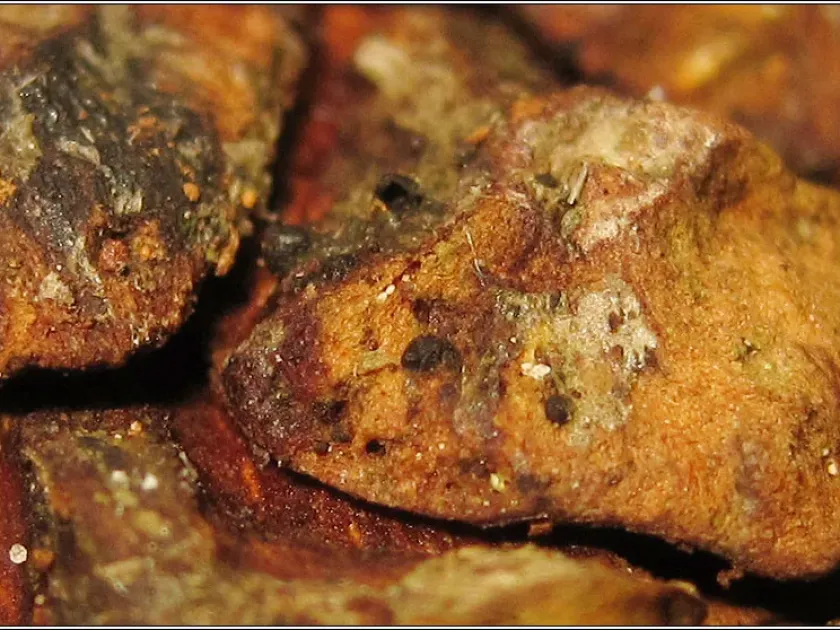
Description
Symptoms
The most visible symptom of an infestation is the presence of numerous small, coal-black specks or raised pimple-like structures scattered over the bark of twigs and branches.
The infected bark may show signs of discoloration, brittleness, or cracking. Over time, as the fungus spreads deeper, the bark may lose its attachment to the underlying wood, eventually peeling off in patches.
Infection is frequently localized on dead wood, but it can extend to living parts of the tree if the tree is under physiological stress or has significant mechanical damage such as frost cracks.
During damp weather, the perithecia swell and become more prominent. These signs are often used by arborists and gardeners to identify the presence of the pathogen before more extensive decay occurs.
Gardeners should check branches for a distinct "sooty" or "dusty" appearance, especially on the underside of twigs or near the nodes where small injuries might have occurred.
Pathogen
Melanomma pulvis-pyrius is a species of ascomycete fungus in the order Pleosporales. It is widely distributed and commonly found living as a saprotroph or a weak parasite on the dead or dying branches of various broad-leaved trees.
The fungus is characterized by the production of small, black, carbonaceous fruiting bodies known as perithecia. These are often crowded together in large numbers, giving the affected bark a dark, dusted appearance which inspired the common name.
Its biological life cycle involves the release of spores that germinate under humid conditions. The mycelium penetrates the woody tissue, absorbing nutrients and contributing to the degradation of cellulose and lignin.
This species is highly adapted to colonizing wounded or weakened plant tissues. While it plays an ecological role in breaking down dead wood in forest environments, it can become an issue in neglected orchards or urban landscapes.
The persistence of this pathogen is aided by its ability to remain dormant during unfavorable periods and quickly resume activity as soon as moisture levels become adequate for spore production and dispersal.
Conditions for development
High relative humidity and frequent rainfall are the primary environmental drivers for the development and spread of Melanomma pulvis-pyrius. These conditions favor both the growth of the fungus and the dispersal of its spores.
The fungus thrives on plants that are weakened by drought, waterlogging, or other environmental stressors. Trees with a compromised immune system are less able to compartmentalize and restrict the fungus.
Mechanical injuries represent the most common entry points. Unprotected pruning cuts, broken branches caused by wind, and sunscald injuries provide an ideal substrate for the fungus to establish itself.
Poor air circulation within the canopy, often resulting from a lack of proper thinning, creates a microclimate that remains moist for longer periods, significantly increasing the risk of infection.
Temperature fluctuations, particularly mild and wet springs or autumns, provide optimal conditions for the fungus to complete its life cycle and produce new crops of spores.
Why it matters
The primary harm caused by this fungus is the accelerated decay of woody tissues. While not as aggressive as some pathogens, it weakens the structural integrity of branches over time.
In fruit production, the fungus can cause dieback of fruit-bearing wood, leading to reduced yields and overall loss of vitality in affected trees if the infection is widespread.
If left unmanaged, the fungus acts as a persistent source of infection within the orchard or garden, potentially spreading to other susceptible trees through rain splash and wind-dispersed spores.
The pathogen can contribute to the development of larger cankers when interacting with other secondary invaders, which can eventually lead to the loss of major branches or limb death.
Economic damage includes not only the loss of potential yield but also the increased labor and resources required to perform corrective pruning and sanitation procedures to salvage the trees.
Protection
Sanitation is the cornerstone of control. Regularly remove and dispose of all dead, diseased, or severely weakened branches to reduce the amount of inoculum present in the environment.
All pruning should be performed using sharp, clean tools, and any large cuts should be covered with a protective wound dressing or sealant to prevent pathogen colonization during the healing process.
Maintaining tree vigor through proper irrigation and balanced fertilization programs is essential. Healthy trees have better defense mechanisms to compartmentalize and wall off fungal infections.
Preventive fungicide applications, particularly those containing copper, can be effective in reducing spore germination on the surface of the bark when applied during the dormant season.
Monitor trees regularly for early signs of the disease, and take immediate action to remove infected parts before the fungus has a chance to penetrate deeper into the sapwood or heartwood.
Discussion
No discussions yet — be the first.