
Melanomma
Melanomma
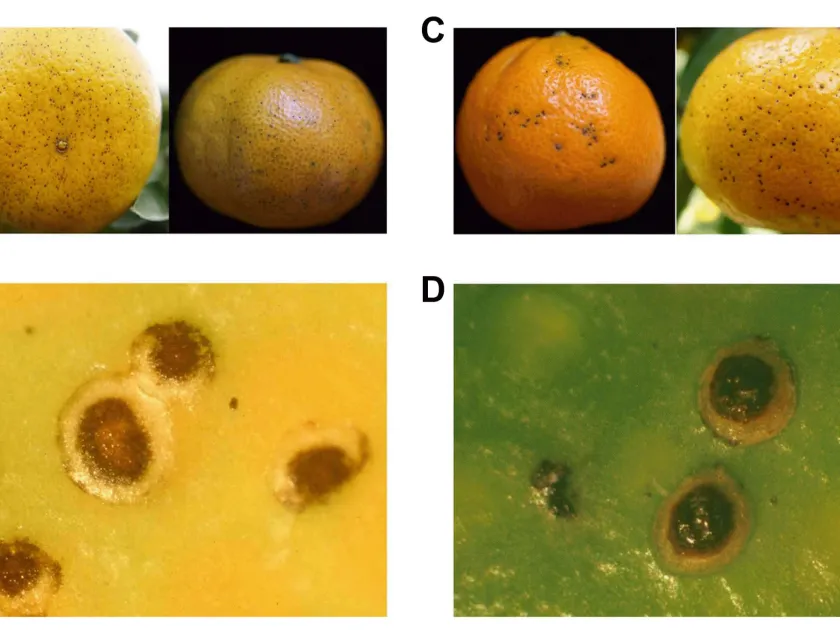
Description
Symptoms
The most distinctive sign of a Melanomma infection is the presence of tiny, dense, black bumps on the surface of branches and stems, which are the fungal fruiting structures.
The affected bark often displays signs of necrosis, appearing discolored, sunken, or cracked. These lesions indicate that the fungus has penetrated the vascular tissues.
Infected trees often show symptoms of decline, such as premature yellowing of leaves and the wilting of foliage on specific branches.
As the disease progresses, the impacted branches become brittle and dry out, eventually leading to dieback of the crown or specific limb sections.
Cross-sections of symptomatic wood may reveal discolored cambium and wood tissue, indicating the internal spread of the fungal mycelium.
Pathogen
Melanomma refers to a genus of fungi (class Dothideomycetes) that act as plant pathogens, primarily colonizing woody plants. These fungi are often opportunistic, taking advantage of weakened plant tissues.
The pathogen is characterized by the production of small, black, spherical fruiting bodies known as pseudothecia. These structures erupt through the outer bark layers of the host plant as the fungus matures.
Spore dispersal occurs via environmental factors such as wind and rain, which facilitate the spread of the pathogen during humid conditions in the growing season.
Melanomma species are typically recognized as secondary pathogens, meaning they thrive on plants already compromised by environmental stress, frost, or other pests.
The biology of these fungi allows them to overwinter within infected wood or bark, ensuring their presence in the environment for subsequent seasons.
Conditions for development
The development of Melanomma is strongly correlated with environmental stress. Harsh winters that cause frost cracks provide easy entry points for fungal spores.
Periods of high humidity and rainfall promote the germination of spores and their colonization of the host's weakened bark tissues.
Poor orchard or garden management, including lack of proper pruning and sanitation, increases the overall disease pressure within the habitat.
Trees that suffer from nutrient deficiencies or inadequate water management are significantly more susceptible to infection compared to well-maintained specimens.
Inadequate airflow and overcrowding in plantations create microclimates that facilitate the rapid transmission of the pathogen between trees.
Why it matters
The damage caused by Melanomma primarily involves the loss of tree vitality and the progressive death of branches, which negatively affects the tree's architecture.
If the infection reaches the main trunk, it can lead to complete tree mortality, causing substantial loss in ornamental or productive value.
Weakened trees become highly vulnerable to secondary infestations by wood-boring insects, which can accelerate the death of the host plant.
Economic impact is significant in forestry and nursery industries, where affected wood loses its quality and marketability due to fungal necrosis.
The disease acts as a persistent stress factor, continuously lowering the natural resilience of the tree until it can no longer sustain itself.
Protection
The first line of defense is rigorous sanitation: pruning and destroying infected branches to remove the source of inoculum from the area.
All pruning wounds should be immediately sealed with appropriate wound dressings to prevent the entry of fungal spores during vulnerable periods.
Preventative applications of copper-based fungicides can help create a protective barrier on the bark, reducing the risk of new infections.
Promoting tree health through proper fertilization and watering is essential, as a vigorous tree can better resist the colonization of opportunistic fungi.
- Sanitary pruning of all dead and symptomatic wood.
- Disinfection of pruning tools after every cut.
- Regular monitoring for early bark symptoms.
- Maintaining optimal tree nutrition and hydration.
Discussion
No discussions yet — be the first.