
Melanoleuca bataillei
Melanoleuca bataillei
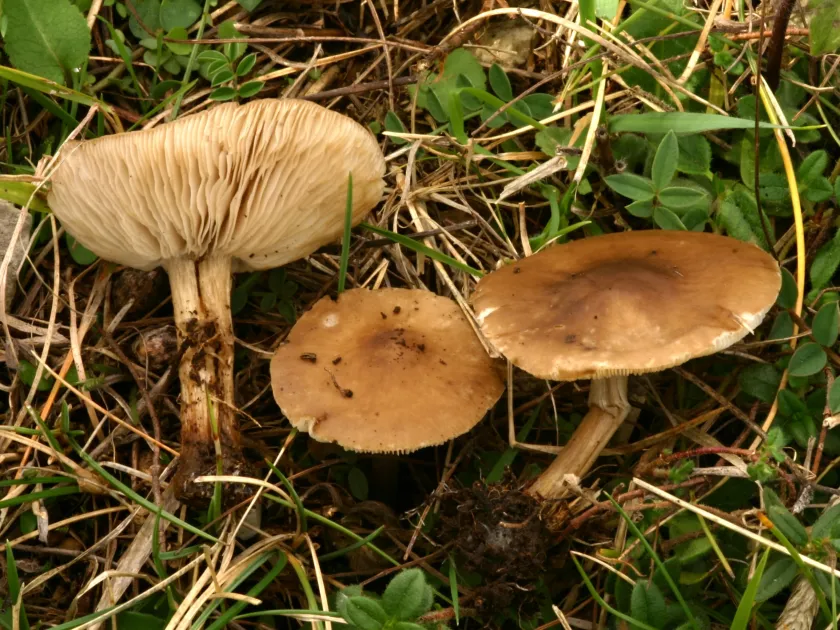
Description
Pathogen
Melanoleuca bataillei is a saprotrophic mushroom species belonging to the Tricholomataceae family. It is strictly a decomposer organism and does not act as a plant pathogen under any circumstances.
The fungus plays a significant role in the nitrogen cycle and the decomposition of organic matter, such as leaf litter and woody debris. It breaks down complex organic structures into simpler compounds that benefit the soil.
Its mycelium spreads through the upper soil layers, interacting with the microbial community. This interaction is primarily beneficial, as it contributes to the formation of fertile humus and promotes healthy soil structure.
Unlike pathogenic fungi that infiltrate plant tissues to feed, Melanoleuca bataillei derives its nutrients entirely from dead organic matter, leaving living plant roots and stems unaffected.
From an agronomic perspective, this mushroom is recognized as a neutral element of the agro-ecosystem, requiring no monitoring or management for disease prevention.
Conditions for development
The growth of Melanoleuca bataillei is closely tied to moisture levels and the availability of decaying plant material in the substrate. It thrives in environments with high organic content.
Optimal conditions typically occur in shaded areas where humidity remains consistent. Temperature fluctuations in these micro-habitats are usually buffered by the soil mass, allowing the fungus to develop.
Spore dispersal relies heavily on wind and rain, which help the fungus spread across garden beds, fields, or woodland edges. Once established, the mycelium persists as long as organic matter is available.
Farmers using heavy organic mulch or compost may observe the fruiting bodies of this fungus more frequently. Its presence should be viewed as a sign of an active, living soil environment.
The species does not require any specialized environmental conditions other than those that promote natural decomposition processes in the upper soil profile.
Why it matters
Melanoleuca bataillei poses no threat to crop health or economic productivity. It does not produce toxins that affect crops, nor does it compete with them for essential nutrients in a way that would inhibit plant growth.
There are no recorded cases of this fungus causing blights, wilts, or rots in agricultural crops. It remains strictly within the bounds of a beneficial decomposer within the soil food web.
The presence of this fungus is not associated with any disease symptoms. Therefore, there is no need for chemical intervention or the use of fungicides in agricultural or horticultural settings.
In fact, its activity may indirectly aid plant development by liberating minerals bound in organic matter, essentially acting as a natural soil enhancer rather than a competitor.
In summary, the species is harmless to agriculture and should be treated as a component of healthy soil biodiversity that does not warrant any defensive measures.
Discussion
No discussions yet — be the first.