
Melanohalea exasperatula
Melanohalea exasperatula
Description
Symptoms
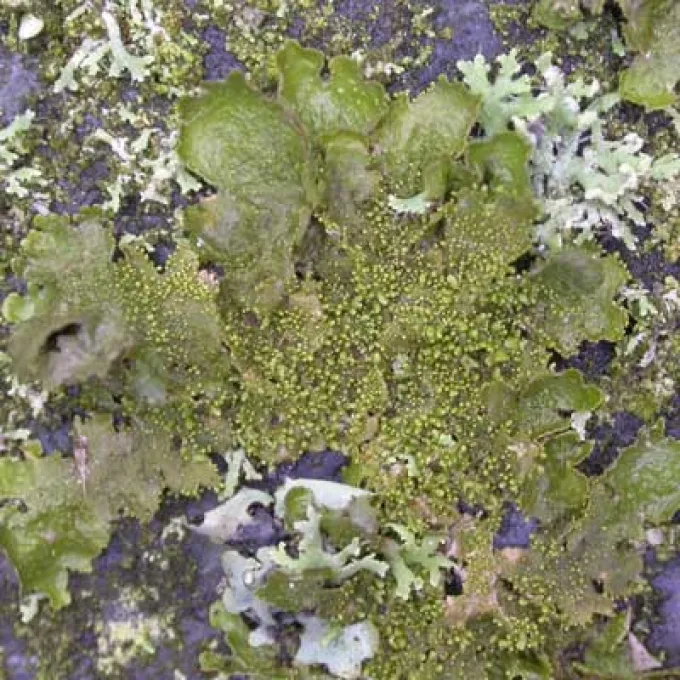
Melanohalea exasperatula is a foliose lichen characterized by its brownish to olive-brown thallus that adheres closely to the bark of trees and shrubs. It presents a glossy surface that is often quite distinctive in field identification.
A diagnostic feature of this species is the presence of numerous isidia on the upper surface. These small, scale-like or granular outgrowths provide a rough texture and aid in vegetative reproduction.
The underside of the thallus is typically paler, ranging from whitish to light brown, and is anchored to the substrate by short structures called rhizines. The overall rosette-like form can reach several centimeters in diameter.
Because it is an epiphyte, it resides strictly on the exterior of the bark. It does not penetrate deep into the phloem or xylem of the tree, remaining separate from the tree's internal circulation system.
Observers often find this lichen in the upper branches or on the main trunks of trees. Its presence can sometimes mask the early stages of bark decay or the existence of other, more harmful bark-dwelling pests.
Pathogen
Biologically, Melanohalea exasperatula is a symbiotic association between a fungus (the mycobiont) and an alga (the photobiont). It belongs to the family Parmeliaceae.
The fungal component provides the structural framework, protecting the algal partner from high light intensity and desiccation, while the alga produces carbohydrates through photosynthesis to sustain the fungus.
It is not a true pathogen. It does not parasitize the host tree, nor does it feed on the tree’s sap or tissues. Its lifestyle is strictly epiphytic, using the tree merely as a vertical growth platform.
Reproduction is primarily vegetative through the dispersal of small fragments of the thallus or specialized isidia. These particles are easily carried by wind or rain to new colonization sites.
Growth is extremely slow. It often takes years for a noticeable colony to develop, which indicates a stable environment. The longevity of the lichen matches the longevity of the bark surface it occupies.
Conditions for development
Melanohalea exasperatula thrives in areas with good light exposure. It is most commonly found on solitary trees or along the edges of forest stands where the canopy allows sunlight to penetrate.
Atmospheric humidity is a crucial factor for its development. The lichen absorbs water and minerals directly from the air and precipitation, requiring regular periods of high humidity to remain metabolically active.
Air quality is a significant limiting factor. As a lichen, it is moderately sensitive to air pollutants such as sulfur dioxide, making it a reliable bioindicator of relatively clean environmental conditions.
The type of bark is less important than its stability and texture. Old, rough bark with crevices provides the best anchorage, although it can colonize various deciduous species depending on local pH levels.
The lichen is highly resistant to temperature extremes. It enters a state of dormancy during winter or periods of drought and resumes metabolic activity as soon as favorable conditions return.
Why it matters
This lichen is generally considered harmless to the tree's overall health. It does not compete for resources like root-absorbed water or soil nutrients, nor does it create physiological stress.
The primary concern for gardeners is that thick lichen colonies can create a humid microhabitat. This might attract pests like scale insects or mites that seek shelter under the lichen thallus.
In excessively damp environments, the constant moisture maintained by the lichen on the bark surface could theoretically promote secondary bacterial or fungal decay if the bark already has physical wounds.
The weight of large lichen colonies is usually negligible, but on very old or neglected trees, significant coverage can lead to an accumulation of moisture and debris, which is why aesthetic cleaning is often performed.
There is very little evidence suggesting that the presence of M. exasperatula reduces the photosynthetic capacity of the tree, as it rarely covers the leaf-bearing branches to a density that causes shading.
Protection
The best control method is proactive orchard management. Proper pruning helps ensure good air circulation and light penetration, creating conditions that are less favorable for dense lichen colonization.
Mechanical cleaning is the most direct control. Using a stiff-bristled brush to gently remove the lichen from the bark surface is effective and, if done carefully, poses no risk to the tree's living cambium.
Following manual removal, applying a lime-based wash or a standard horticultural disinfectant to the trunk can help sanitize the bark and prevent immediate re-colonization by lichen spores.
Maintaining tree vigor through appropriate fertilization and watering is essential. Healthy, fast-growing trees often slough off older layers of bark, which naturally limits the lifespan of lichen colonies.
Chemical control using fungicides is rarely recommended because M. exasperatula is not a fungus that responds to typical control agents, and such chemicals can be harmful to beneficial organisms on the tree surface.
Discussion
No discussions yet — be the first.