
Medeolaria farlowii
Medeolaria farlowii
Description
Symptoms
The primary symptom of infection is the severe deformation of plant organs. Tissues begin to exhibit abnormal growth, often forming gall-like structures or hypertrophied areas.
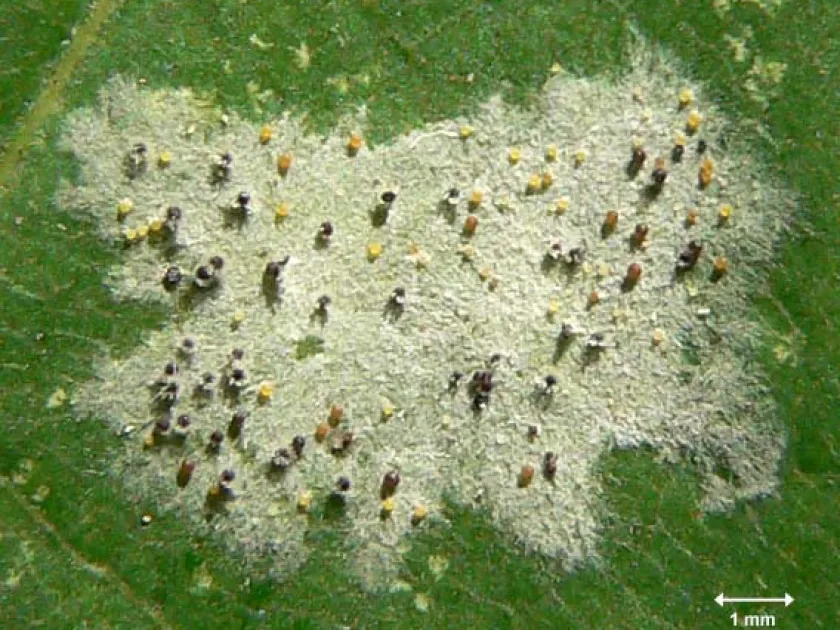
As the disease progresses, apothecia appear on the surface of these deformed areas. These are small, cup-shaped fungal structures that serve as a diagnostic indicator of the presence of the pathogen.
Affected plant tissues often undergo discoloration due to metabolic disruptions caused by the fungal activity. The plant may appear stunted, with leaves and stems losing their natural structure.
Systemic symptoms include an overall reduction in plant vigor and developmental capacity. The plant's ability to store resources in bulbs or other organs is significantly impaired by the parasite.
During the peak of fungal activity, the damaged parts of the plant may wither and die, as the internal hyphae disrupt the cellular architecture of the host tissue.
Pathogen
The causative agent of this condition is the fungus Medeolaria farlowii, which belongs to the order Helotiales. It is a highly specialized parasite that affects specific host plants within the Lily family.
The biology of this fungus is intricately linked to the life cycle of its host. The pathogen colonizes the tissues of the host plant, exploiting them for nutrients throughout the active growing season.
Fungal structures, specifically apothecia, develop on the surface of the infected plant parts. These structures are responsible for the production and release of spores, which are essential for spreading the infection to healthy tissues.
The life cycle of the fungus is synchronized with the phenology of the plant, ensuring that infection occurs during the most vulnerable developmental stages, such as early spring growth.
Medeolaria farlowii is characterized by a high degree of host specificity, which limits the range of susceptible species but makes it a significant pathogen within its niche environment.
Conditions for development
High humidity is the most critical environmental factor for the development of Medeolaria farlowii. Moisture is essential for spore germination and the successful establishment of the pathogen on the host.
Moderate temperatures during the spring period provide optimal conditions for the growth of the fungus. Warm, humid weather is particularly conducive to rapid disease spread within a plant population.
Plant density is a significant factor in disease transmission. Crowded plantings restrict airflow, leading to higher local humidity and allowing spores to easily migrate between susceptible individuals.
The presence of inoculum from the previous season, such as dormant fungal stages in plant debris, is a primary trigger for early infection in the following spring.
Poor ventilation and lack of sunlight exposure in overgrown areas exacerbate the infection risk, as they prevent the drying of leaf and stem surfaces after rain or dew.
Why it matters
The damage caused by Medeolaria farlowii primarily involves the depletion of the host plant's energy reserves. The growth of galls diverts nutrients that the plant would otherwise use for growth and flowering.
Infected plants often fail to flower or produce seeds, leading to a significant loss of reproductive potential. This can lead to a decline in the local population of susceptible host species.
Damage to the plant's tissues creates entry points for secondary infections, such as bacteria or other opportunistic fungi, which can accelerate the death of the plant.
On an ecological scale, Medeolaria farlowii can cause localized outbreaks that significantly reduce the density of host plants, especially in sensitive natural habitats.
In nurseries and agricultural settings, the disease causes economic loss by destroying ornamental or crop specimens, necessitating rigorous monitoring and management efforts.
Protection
Sanitation is the most effective approach to managing the disease. Regular monitoring of plants and the immediate removal and destruction of any infected specimens are vital to prevent the spread.
Removing and destroying plant debris is essential, as these materials can harbor spores through the off-season. Burning or deep burial is recommended over composting.
Maintaining proper spacing between plants improves airflow and reduces humidity, making the environment less favorable for the fungus. Controlled watering practices further mitigate the risk.
Fungicidal treatments can be employed during critical growth stages to protect healthy plants. However, application must follow strict protocols to ensure efficacy and environmental safety.
Breeding and selecting varieties of plants that demonstrate natural resistance to Medeolaria farlowii is considered the most sustainable long-term solution for disease control.
Discussion
No discussions yet — be the first.