
Mazzantia
Mazzantia
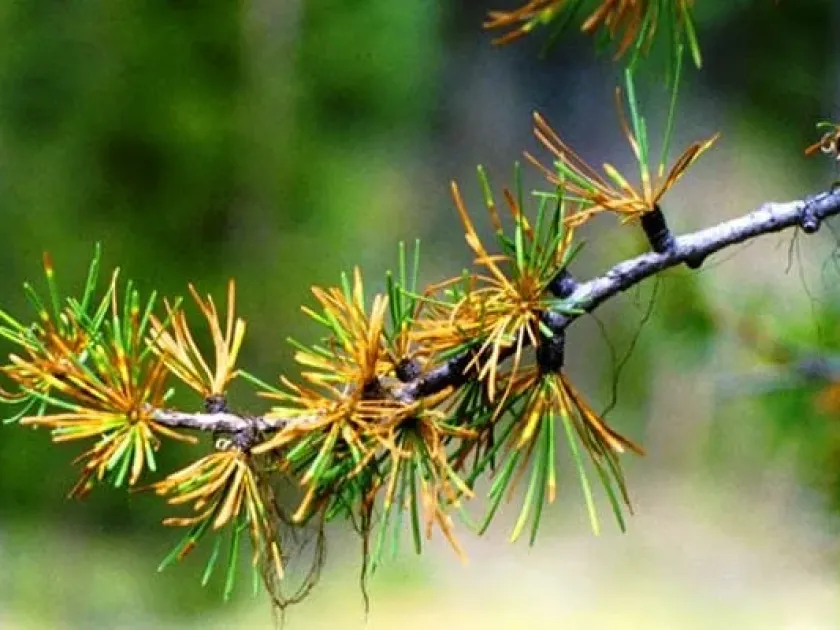
Description
Symptoms
The primary symptoms include the appearance of dark, localized spots on leaves or bark. These spots often develop into necrotic lesions.
Characteristic small, protruding fruiting bodies appear on the surface of infected areas. They often emerge in clusters, giving the surface a speckled appearance.
As the disease progresses, infected tissues deform and dry out. Premature leaf drop and branch dieback are common in severe cases.
Microscopic inspection often reveals ruptures in the plant epidermis where the fungus releases its spores into the environment.
When the infection girdles a branch, the portion above the lesion typically withers and dies due to the loss of nutrient circulation.
Pathogen
The disease is caused by fungi of the genus Mazzantia, which belong to the Ascomycota division. These pathogens specifically target certain tree species.
The fungal life cycle is closely linked to plant debris, where the pathogen survives the winter in the form of mycelium or specialized fruiting bodies.
The biology of this fungus is characterized by the formation of stroma, which house the spores. During spring, these spores are released and spread by wind and rain.
The fungus penetrates plant tissues, primarily through small openings or minor bark damage. Once inside, it spreads through the intercellular spaces.
The infection disrupts the host's metabolism and impairs water transport, leading to a general decline in the vitality of the affected plant tissues.
Conditions for development
Mazzantia thrives in environments with high humidity and moderate temperatures. A rainy spring provides the optimal conditions for widespread infection.
Dense plantings with poor air circulation retain moisture on the foliage, creating a perfect microclimate for fungal development.
Insufficient sunlight in the lower parts of the canopy also promotes infection, as leaves remain wet for longer periods during the day.
Mechanical injuries to the bark, caused by frost or insects, serve as entry points for the pathogen to establish itself within the tree.
Accumulation of leaf litter around the base of trees provides a reservoir for the pathogen, ensuring the persistence of the disease cycle.
Why it matters
The damage caused by Mazzantia primarily manifests as the gradual weakening of the plant. Long-term infection reduces growth rates and overall vigor.
In ornamental settings, the disease significantly detracts from the aesthetic value of trees and shrubs, rendering them unsightly.
Chronic branch dieback consumes the plant's energy reserves, leaving it susceptible to secondary infections from other pathogens and pests.
The loss of healthy leaf surface reduces the plant's photosynthetic capacity, which impacts its ability to produce necessary carbohydrates.
In extreme cases, if the infection is left untreated, it can lead to the complete death of the host plant, especially in young or stressed individuals.
Protection
The most important control measure is consistent sanitary pruning. Infected branches must be cut back to healthy wood and removed immediately.
Fall cleanup is essential; raking and disposing of fallen leaves helps break the disease cycle by removing the primary source of overwintering spores.
Applying copper-based fungicides during the dormant season or early spring can help protect the trees from initial spring infections.
Maintaining proper tree health through balanced fertilization and adequate watering builds natural resistance against fungal pathogens.
Ensuring proper spacing and canopy thinning improves airflow, which keeps foliage dry and reduces the chances of fungal colonization.
Discussion
No discussions yet — be the first.