
Mattirolomyces terfezioides
Mattirolomyces terfezioides
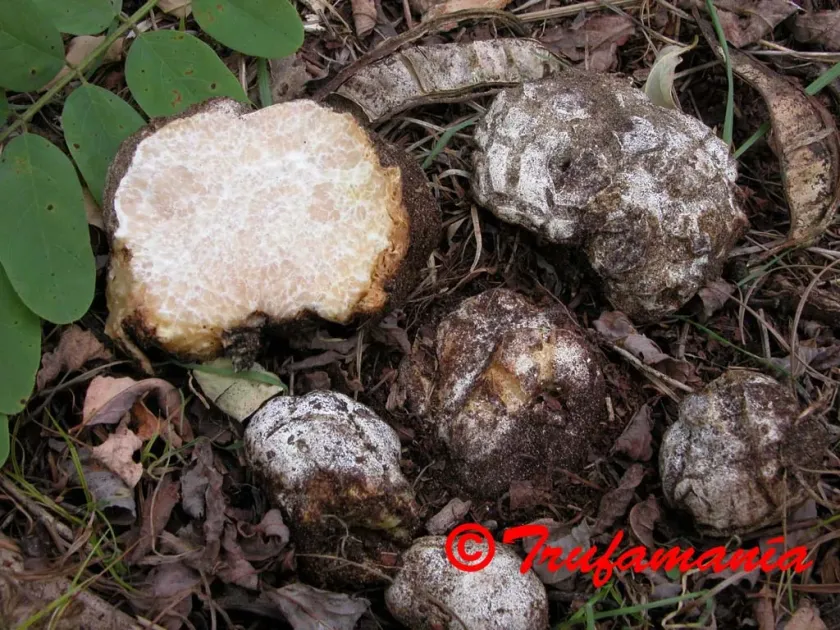
Description
Pathogen
Mattirolomyces terfezioides is a hypogeous ascomycete fungus. Within the commercial truffle industry, it is recognized as a significant competitor that hinders the cultivation of edible truffle species.
Belonging to the Pezizaceae family, this organism operates as a soil-dwelling fungus. While not a conventional agricultural pathogen, its presence can devastate the economic potential of a truffle-producing site.
The biology of this fungus is characterized by robust mycelial growth that rapidly colonizes available soil niches, outcompeting beneficial mycorrhizal fungi essential for truffle production.
Spore dispersal is primarily driven by soil moisture, human activity, and the movement of equipment. Its survival strategy involves high resilience to environmental stressors.
Detection is notoriously difficult until the fruiting bodies form, as the mycelium remains hidden underground throughout the vast majority of the growing cycle.
Conditions for development
The fungus thrives in neutral to slightly alkaline, limestone-rich soils. It demonstrates an aggressive growth pattern when the soil substrate provides abundant organic material.
Warmer temperatures, typically ranging from 18°C to 25°C, create the ideal environment for the fungus to initiate intensive mycelial spreading and colonization.
High soil moisture levels act as a primary catalyst for the development of the pathogen, facilitating the movement of spores across the orchard floor.
Imbalanced soil chemistry, particularly excess nitrogen, can unintentionally promote the activity of M. terfezioides at the expense of symbiotic fungi.
Soil compaction or poor drainage systems on a plantation can exacerbate the spread, as water-logged conditions favor the proliferation of this specific species.
Why it matters
The main harm inflicted by this fungus is the displacement of high-value truffles like Tuber melanosporum, rendering the cultivation site economically unproductive.
By competing for root space and nutrients, M. terfezioides interrupts the vital mycorrhizal associations that trees rely on for health and nutrient uptake.
The fruiting bodies produced are non-edible and have no commercial value, resulting in a total loss of the projected annual harvest for the affected orchard areas.
Once a site is heavily infested, it becomes extremely difficult to restore, as the fungus exhibits high resistance to standard chemical treatments.
Investment losses include not only the lack of harvest but also the high costs associated with land decontamination or the total abandonment of the plantation.
Protection
Strict prevention is the cornerstone of managing this fungus. It is imperative to source only certified, pathogen-free inoculated seedlings from reputable nurseries.
Continuous soil monitoring is recommended. Utilizing molecular diagnostic tools like PCR testing allows for early detection of spores before the fungus reaches critical levels.
- Maintaining optimal soil pH to create unfavorable conditions.
- Implementing strict sanitation protocols for farm machinery.
- Avoiding over-fertilization with synthetic nitrogen sources.
Biological controls involving competitive beneficial microbes are being studied but currently do not offer a guaranteed solution for eradicating an existing infestation.
In cases of confirmed heavy infestation, the most effective strategy is the removal of the topsoil layer or the complete decommissioning of the site for future production.
Discussion
No discussions yet — be the first.