
Mattirolomyces
Mattirolomyces
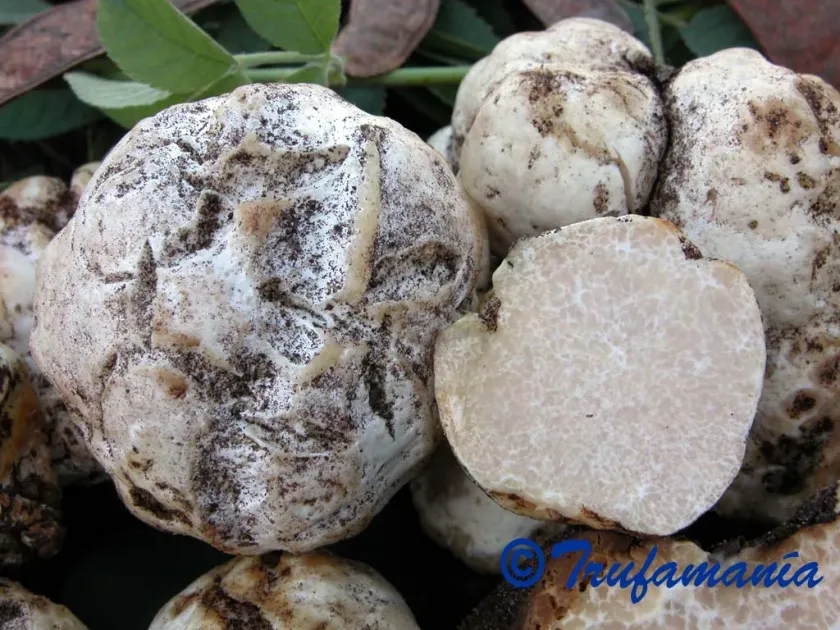
Description
Pathogen
Mattirolomyces is a genus of fungi belonging to the family Pezizaceae, characterized by its unique subterranean fruiting bodies that often mimic truffles in morphology.
While commonly categorized as mycorrhizal or saprotrophic, certain species within this genus can interact negatively with the root systems of crops in specific agricultural contexts.
The pathogen utilizes complex enzymatic processes to penetrate root tissues, often causing physiological stress in host plants by intercepting nutrients.
Biological persistence is a key feature of this genus, as its spores can survive dormant in soil for several seasons, waiting for favorable conditions.
The spread of this organism is frequently linked to human activities, including the movement of soil via farm machinery and the use of infected seedlings.
Conditions for development
Mattirolomyces development is highly correlated with soil moisture levels and the presence of organic matter, which serves as a nutrient source.
Optimal growth conditions involve well-aerated but moist soil environments, typically found in soils with high organic content.
Temperature plays a crucial role, with the most significant fungal activity occurring during the moderate growth phases of spring and autumn.
Poor drainage and low pH levels can accelerate the colonization of the rhizosphere, making root systems more susceptible to fungal attack.
Repeated planting of the same crops in the same field encourages the build-up of the fungal inoculum, leading to severe outbreaks over time.
Why it matters
The primary harm manifests as root system degradation, causing plants to struggle with water and mineral uptake from the soil matrix.
Significant yield losses are common as the plant diverts energy from fruit or grain production to compensate for root damage.
Infected crops display signs of nutrient deficiency, such as interveinal chlorosis and stunted growth, despite adequate fertilization.
The weakening of the root system increases the likelihood of lodging and susceptibility to environmental stressors like drought and extreme heat.
Economic damage is twofold: reduced market quality of harvest and the long-term cost associated with rehabilitating infested agricultural land.
Protection
The most effective strategy is a diverse crop rotation program that prevents the buildup of specialized soil pathogens by altering soil conditions.
Improving soil structure through mechanical aeration and proper drainage reduces the incidence of fungal colonization in the root zone.
The application of biological control agents, particularly beneficial soil microbes, is a recommended practice to suppress pathogenic fungal populations.
Liming soils to maintain an optimal pH range can create a suppressive environment for species that prefer acidic to neutral soil types.
- Sanitation of agricultural equipment to prevent cross-contamination between fields.
- Monitoring soil health through regular diagnostic testing.
- Using balanced fertilization to minimize plant physiological stress.
Discussion
No discussions yet — be the first.